
Industrial Technology Innovations Shaping the Future of Manufacturing
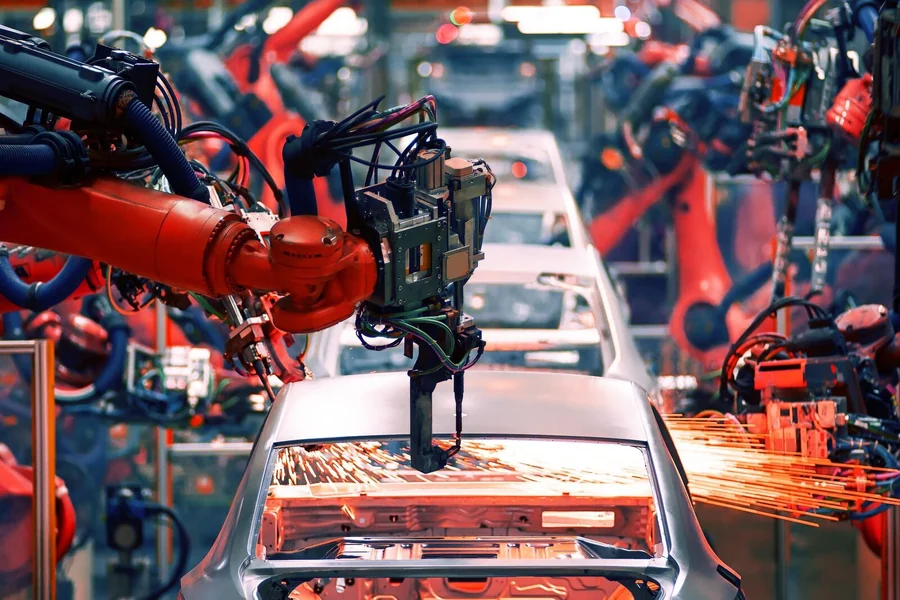
Industrial technology has been pivotal in the modern development of manufacturing and production. It encompasses machines and systems to improve quality, performance, production, safety and much more. Industrial technology is what gives industry the basement from which to introduce their branches (car assembly lines, energy production, etc.). To remain competitive, reduce costs and increase production, businesses employ advanced industrial technology. For those involved in the manufacturing and production industries, knowledge of industrial technology is vital. Industrial technology is the field of study regarding the application of engineering and technical business skills in order to design, install, implement and maintain integrated systems of people, materials, information, equipment and energy.
Evolution of Industrial Technology
Industrial technology is the history of the Industrial Revolution. The early machines replaced human labor and increased production. The first wave of industrial development was driven by steam engines, textile machinery and machine tools. The factories evolved as electricity, automation and computers became widespread. Modern industrial technology today combines robotics, sensors and software to form advanced manufacturing systems. These improvements are more precise and eliminate errors made by humans. The development of industrial technology has created several advantages for production. Now, predictive maintenance and real-time monitoring with software solutions are shaping these industries.
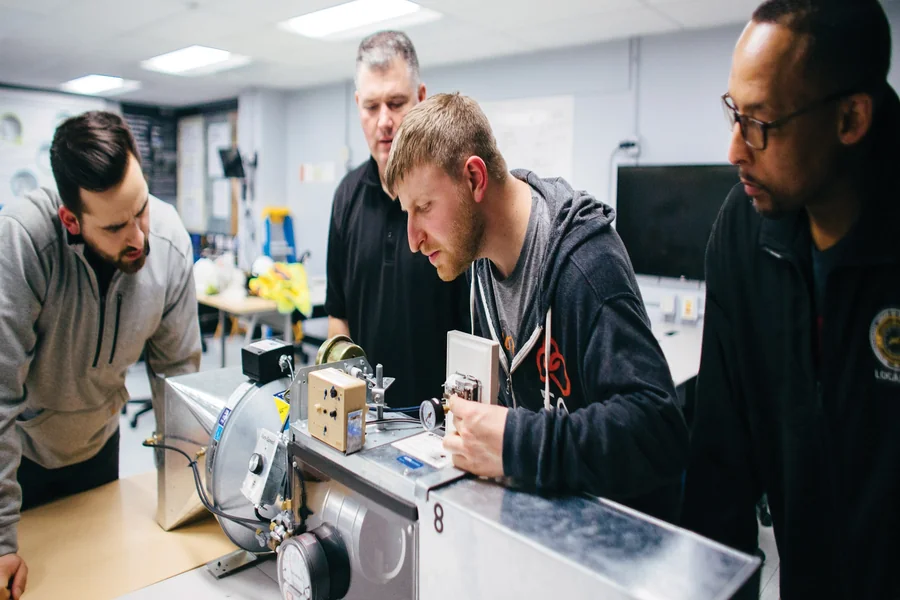
Automation in Industry
Energy and Efficiency
Energy management is also one of the most highlighted topics in industrial technology. Factories save energy use with high-efficiency motors, lighting, and heating systems. Industrial installations are being equipped with renewable sources such as solar and wind. Cost down and environment conscious, efficient industrial technology. Intelligent sensors track electricity consumption in real time. Firm added value to sustainable targets by applying industrial technology solutions. Industrial energy efficiency saves not just money but also helps implement corporate responsibility programs. Through the application of energy efficient systems, carbon emissions can be slashed and in turn companies will meet environmental legislation.
Industrial Safety
Security is a major issue in industrial technology. Today, the machines are equipped with sensors, emergency stops and safety interlocks that protect workers. Accidents are minimized by protective equipment and automatic controls. Safety compliance can be monitored by software, which alerts supervisors to dangers. State-of-the-art industry technology includes the use of analytics to forecast and eliminate incidents. Teaching workers how to use new industrial technology will also help keep them safe. Safer conditions create a more productive work environment by reducing the amount of time lost to injury. Creating safe industrial technology is also boosting morale, workers feel safe and feel valued.
Quality Control
Industrial technology increases quality control. Sensors, cameras and automatic inspection systems that find errors in products. This allows production to be monitored in real-time to meet criteria. A computer program can sift through data to spot a trend, and curb future mistakes. The advancement in industrial technology also leads to exact measurements and tolerances. Companies that apply advanced industrial technology are able to make higher quality products on a continuous basis. QC minimizes waste, enhances customer satisfaction and reinforces brand identity. Furthermore, quality control systems information can be used in product innovation and design enhancements.
Smart Manufacturing
Intelligent manufacturing is the future of industrial technology. And it integrates IoT, AI and cloud computing to develop completely connected production facilities. Wen and Zeng machines talk to each other to keep processes moving and avoid bottlenecks. Intelligent systems are processing performance data on the fly. This downtime is minimized and efficiency is increased. Firms that embrace intelligent industrial tech can more quickly meet what their markets want. Manufacturers can predict production demands and easily manage inventory using predictive analytics. Smart Manufacturing also contributes to sustainability, as it help reduce material waste and save energy.
Industrial 3D Printing
3D Printing – The Future of Industrial Technology 3D printing (Additive Manufacturing), it is changing industrial world. This enables the manufacture of complex components with reduced material waste. Industry 3D printing is applied in aviation, automobile and medical fields. Develop and test prototypes quickly, shortening development timelines. Industrial technologies such as 3D printing allow for customization and on-demand production. Companies can try out new designs without committing to expensive molds or tooling. (2018) This technology also facilitates lightweight construction, which is crucial for branches such as aviation and automotive.
Read More: Computer Technology Advancements and Their Impact on Society
Sustainability and Green Technology

Industrial technology is starting to think sustainably. Companies use renewable energy, cut emissions and recycle materials. Environmentally friendly machines and energy saving systems are used in modern production. Eco-friendly industrial technology meets environmental standards and consumer expectations. Costs go down and brand is strengthened by sustainable practices. High tech monitoring systems monitor environmental impact minute by minute. Now, AI is being used by manufacturers to use energy more efficiently as well as cutting waste which means industrial technology has a crucial role to play in global sustainability.
Industrial technology has changed the face of industry. 4 From automation to energy efficiency, safety, quality control, smart manufacturing and sustainability boosts productivity and competitiveness. For modern factories, industrial technology is pivotal in achieving superior standards and demanding customer requirements. Enterprises that adopt cutting-edge industrial technology achieve efficiency, sustainability and growth potential. The effects of industrial technology are felt in the economy, society and environment. Industrial technology companies are prepared for long-term success in a rapidly changing market.
FAQs
1. What is industrial technology used for?
It is used to improve efficiency, safety, and quality in industrial processes.
2. How does automation help industries?
Automation reduces labor costs and increases precision and productivity.
3. What industries use industrial technology?
Automotive, electronics, food production, energy, aerospace, and manufacturing.
4. Why is energy management important?
It lowers operational costs and supports sustainability goals.
5. How does industrial technology improve safety?
Sensors, monitoring systems, and safety interlocks protect workers.
6. What is quality control in industry?
It ensures products meet standards through monitoring and inspection.