
How Live Streaming Is Becoming a Primary Source of Digital Entertainment
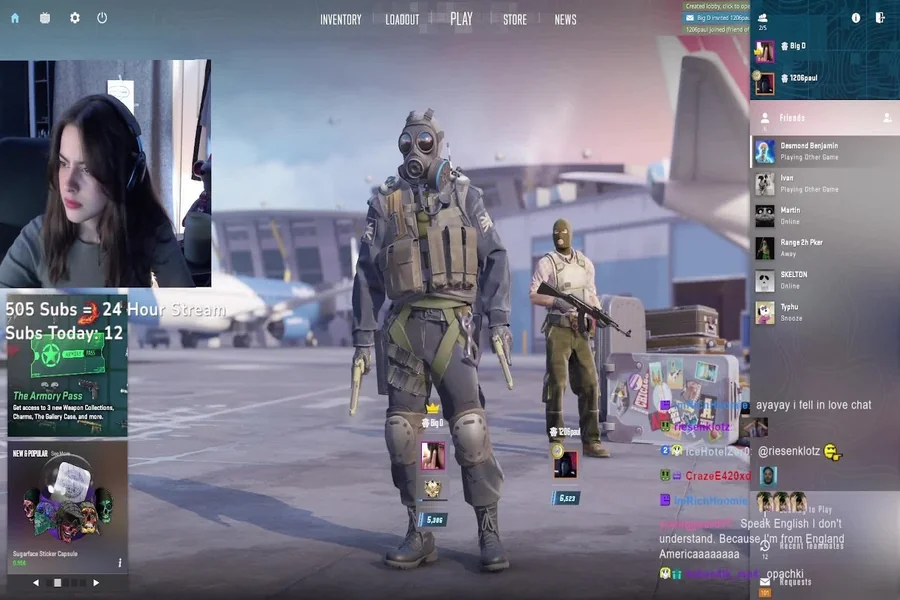
Live broadcasts have firmly established their status as the dominant format in the digital entertainment industry. In my understanding, this shift occurred due to a unique combination of interactivity and a sense of presence that traditional television simply cannot offer. The modern viewer no longer wants to be a passive consumer; they strive to influence what is happening and be part of a global community. Personally, I believe that streaming has become not just an addition to games or shows, but an independent cultural environment that dictates its own rules of media consumption. The speed of technological development only confirms that in the coming years, the influence of this format will only increase.
Games as the Foundation of Streaming Culture
The gaming industry has become the primary catalyst for the popularity of live broadcasts, creating a platform for the emergence of a new type of media star. Competitive disciplines attract millions of people who visit platforms like Twitch not just for the game itself, but for expert analytics. A high level of audience engagement makes such broadcasts a powerful tool for popularizing titles. This creates a unique ecosystem where the line between professional esports and casual entertainment becomes incredibly thin.
Beyond the competitive aspect, streaming allows players to discover new projects through the lens of their favorite creator’s perception. I am convinced that projects such as cs2 live streams form a loyal core of fans around them, ready to spend hours watching the tactical maneuvers of professionals in real time. Watching playthroughs of story-driven adventures replaces reading reviews for many, forming a relationship of trust between the streamer and the viewer. Thus, the live broadcast serves as a living showcase that works much more effectively than any traditional advertising.
Examples of shooters like CS or PUBG clearly demonstrate how broadcasts sustain interest in a product over decades. Constant content updates and tournaments ensure a consistently high viewer count on streams, which in turn attracts new users. I see this as a closed loop where the game’s popularity feeds the streaming scene, and streaming prevents the game from fading into obscurity. This transforms a standard software product into a long-lasting cultural phenomenon.
Interactivity and Audience Influence on the Process
The main advantage of streaming over any other format is the possibility of a direct dialogue between the content creator and their audience. The chat becomes a full participant in the broadcast, where every message can change the course of the stream or the author’s mood. In my view, it is this sense of involvement that keeps people in front of their screens, giving them a voice in real time. The collective experience of discussing game moments or jokes creates strong social bonds within the community.
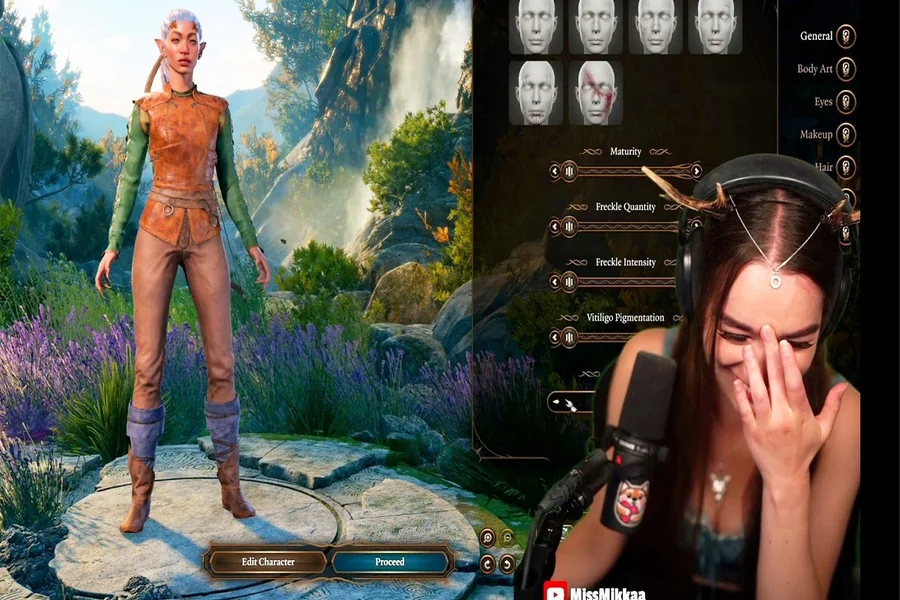
Some developers go further and implement special mechanics that allow viewers to directly influence the game world. In projects like Cultra or the special modes in Baldur’s Gate 3, viewers can vote on specific dialogue options or choose the next events for the player. This takes the concept of entertainment to a new level, turning the viewing experience into a kind of interactive show. It is obvious to me that the future of the industry lies in these hybrid formats, where the boundaries between player and observer are blurred.
Such a model of interaction requires the streamer to have not only gaming skills but also the ability to work with an audience like a professional host. The ability to hold the attention of thousands of people while simultaneously reacting to their questions and comments becomes a key skill. This turns streaming into a complex form of performing art where improvisation plays a decisive role. Ultimately, it is the author’s personality and their contact with the audience that determine the channel’s success.
Diversity of Formats Beyond the Gaming Context
While games remain the foundation, streaming is rapidly mastering new niches. Categories like “Just Chatting” or creative workshops attract people far removed from gaming. In my understanding, this is a natural evolution toward a universal source of leisure. Live communication, cooking, or IRL city walks create a friendly connection that is often lacking in modern urban environments.
Educational streaming is also gaining momentum, allowing people to observe programming or art in real time. The ability to ask a professional questions makes learning more accessible and less formal. I believe this approach democratizes knowledge, turning complex processes into simple visual aids. Live broadcasting removes traditional barriers to entry.
Musical performances in VRChat create virtual concert venues accessible from anywhere. Such examples show that streaming can adapt to any human activity, adding a new digital dimension. As a result, we get an endless stream of varied content available in just one click.
Technological Progress and Broadcast Accessibility
The development of internet infrastructure and mobile networks has made streaming accessible in almost every corner of the world. Today, an ordinary smartphone is enough to launch your own broadcast or watch someone else’s. In my view, this accessibility has been the key factor that turned streaming into a mass phenomenon. Global coverage allows creators to find their audience regardless of geographical boundaries or time zones.
Cloud technologies and improved video compression algorithms allow for the transmission of high-quality images even with a less-than-stable connection. This is critically important for dynamic games, where any delay or frame loss ruins the viewing experience. I see how the technical barrier to entry drops every year, allowing an increasing number of talented people to try themselves as creators. This creates healthy competition and stimulates the growth of content quality across the entire industry.
Furthermore, the emergence of specialized streaming equipment, from microphones to broadcast controllers, makes home studios comparable in quality to professional television studios. This enables independent authors to create a high-level product without having massive budgets. Technology expands creative possibilities, allowing even the boldest ideas to be realized live. As a result, the market is filled with unique and original projects that simply could not have existed before.
Conclusion
Live broadcasts have become an integral part of digital reality, offering users a level of engagement previously unavailable. In my understanding, streaming will continue to absorb other forms of entertainment, becoming the primary link between content creators and their fans. The success of this format is built on honesty, interactivity, and the opportunity to be part of something bigger in real time. For businesses and creators, this opens up unprecedented opportunities for growth, and for viewers, an endless world of live emotions. The future of entertainment is already here, and it is being broadcast live right now.