
The Rise of Pocket Tech: How Small Devices Are Redefining Everyday Convenience
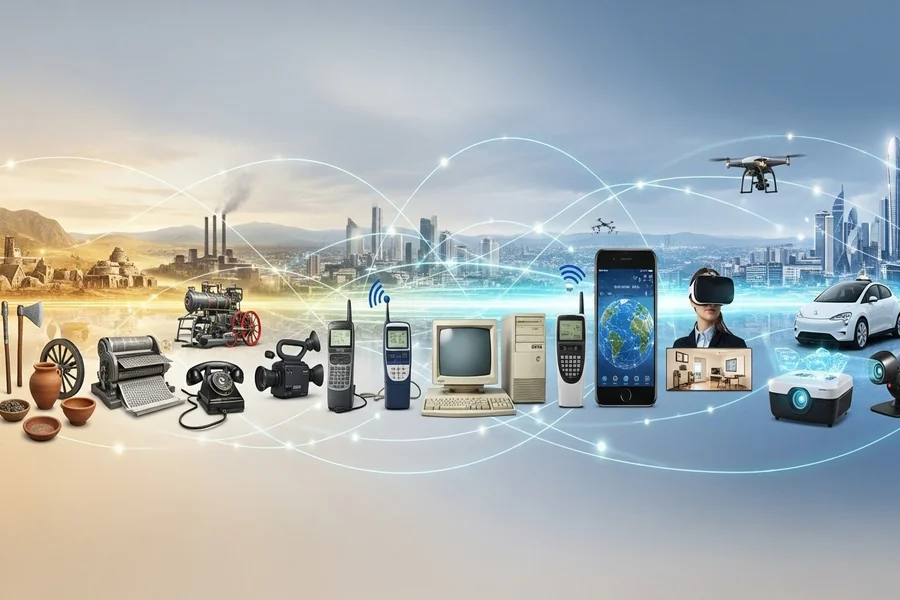
Technology used to mean bulky hardware, tangled wires, and dedicated spaces. Today, it fits neatly into pockets, palms, and small bags, quietly shaping how people move through their days. From the moment we wake up to the time we wind down at night, compact devices are there—helping us communicate, track habits, stay entertained, or simply make daily routines easier. Pocket tech has become a reflection of modern lifestyles. People are busier, more mobile, and often juggling multiple responsibilities at once. Large, complicated devices can feel like friction points, while smaller tools blend seamlessly into daily flow. Whether commuting, traveling, or switching between work and personal time, users increasingly favor devices that are light, intuitive, and ready to go without much setup.
Convenience and Everyday Use
One of the main reasons compact technology has grown so popular is convenience. Pocket-sized devices reduce friction and make daily tasks simpler, especially for people on the go. Many of these tools are designed to focus on a single purpose and perform it efficiently, which reduces decision fatigue in a world full of constant notifications and updates. Some examples of grab-and-go technology include disposable vapes, which highlight how design and portability can enhance user experience. These devices are small, easy to carry, and require minimal maintenance, making them a part of the broader conversation about modern, everyday convenience. Products like these show that simplicity can be just as appealing as advanced functionality, especially when users want tools that seamlessly fit into their daily routines.
The convenience factor extends beyond portability. Many pocket devices are designed to be intuitive and nearly maintenance-free. For instance, wireless earbuds automatically connect to phones or tablets without complex pairing processes, while compact power banks ensure that devices can stay charged during long days out. Even small tech like portable Bluetooth speakers or digital note-taking pens allow users to complete tasks without returning to a desk or spending time untangling cords. Additionally, the compact nature of these devices allows people to integrate them into routines where traditional tech would be cumbersome. A traveler can keep a small e-reader in a coat pocket for a long commute, or a student can use a tablet for note-taking during a lecture without hauling a heavy laptop bag. Pocket tech prioritizes efficiency, enabling users to make the most of short windows of time throughout their day.
Mobility and Flexibility
Pocket tech thrives because it supports movement. People no longer spend their entire day in one place, and their devices need to adapt. Small tools—whether for communication, entertainment, or productivity—can be used during commutes, short breaks, or while traveling between locations. Portability allows users to stay connected and productive without carrying extra gear. Compact devices provide the freedom to move while still accessing the technology needed for work or leisure. This flexibility extends to remote work environments as well: lightweight laptops, foldable keyboards, and mobile hotspots allow people to set up temporary workspaces anywhere, whether at a café, library, or outdoor park.
Travelers, in particular, have embraced pocket tech because it reduces baggage and stress. A compact travel camera or pocket-sized drone allows travelers to capture high-quality content without carrying heavy equipment. Portable language translators or smart luggage trackers help navigate unfamiliar cities with minimal effort. Even small personal health devices, such as wearable thermometers or compact sleep trackers, fit seamlessly into travel routines. In this way, small devices don’t just support mobility—they actively enhance experiences on the move.
Design Meets Lifestyle
Design plays a central role in why pocket tech is so appealing. Sleek finishes, ergonomic shapes, and thoughtful details make small devices feel intentional rather than limited. A device that looks and feels good is more likely to be incorporated into daily routines. This combination of design and utility also impacts social behavior. Discreet, easy-to-use devices allow users to engage in personal activities without disrupting shared spaces. Whether listening to audio, checking notifications, or taking a short break, pocket tech blends seamlessly into daily life. age
Beyond appearance, design also influences usability. Devices are becoming more intuitive, using tactile cues, haptic feedback, and visual interfaces that require minimal learning. Compact devices like foldable keyboards, mini projectors, and pocket scanners allow users to accomplish complex tasks with a minimal footprint. The emphasis on design has elevated small tech from “backup” tools to essential lifestyle companions. Lifestyle trends also favor portability. Minimalist living, urban commuting, and tiny apartment spaces encourage products that do more while taking up less space. Pocket tech fits perfectly into this mindset, offering solutions that reduce clutter while maintaining functionality. It’s no longer just about having a gadget—it’s about integrating technology seamlessly into a life that values efficiency, comfort, and style.
The Future of Pocket Technology
As technology continues to shrink while improving in performance, pocket devices are likely to become even more central to daily life. More tasks will be supported by tools that are almost invisible until needed, enhancing convenience without demanding attention.
Wearable technology is expanding into health, safety, and personal productivity. Devices that track vital signs, monitor stress, or remind users to move throughout the day are becoming smaller and more accurate, making health monitoring less intrusive. Similarly, portable AI assistants and smart pens can transcribe notes, set reminders, and even provide real-time language translation, all from a device that fits in a pocket or bag.
Pocket-Sized Power
The rise of pocket tech reflects a broader shift in priorities: people value time, mobility, and simplicity over size or complexity. Devices that respect these values—by being small, easy to use, and thoughtfully designed—are redefining what convenience really means. Sometimes the most impactful technology is the one that quietly fits into your pocket, letting you move through your day with minimal hassle. With innovation continuing at a rapid pace, the integration of small, multifunctional devices into daily life will only deepen. Whether it’s enhancing productivity, supporting well-being, or enabling new forms of entertainment, pocket tech is shaping the way people interact with the world—and making convenience a true priority in modern lifestyles.