
How Installation Quality Shapes Long-Term HVAC Performance

When it comes to home climate control, most people fixate on the brand name on the outdoor unit or the SEER2 efficiency rating. While those metrics matter, they are essentially theoretical until the day of the actual setup. The truth is that a high-end system installed poorly will consistently underperform a mid-range unit installed with precision. If you are considering an AC replacement, you should prioritize the skill of the technicians over the shiny logos on the box. The “unseen” work — the duct sealing, the refrigerant charging, and the electrical connections — is what truly dictates whether your investment lasts fifteen years or five. Professional teams like Fuse Service have found that correcting a botched initial setup often costs more than the original job itself.
The Role of Proper System Design Before Installation
A successful installation starts long before the truck arrives at your driveway. It begins with a Manual J load calculation. Many contractors rely on “rules of thumb” based solely on square footage, but that’s a recipe for disaster.
A true professional looks at your insulation levels, window orientations, and local microclimates. If a system is oversized, it will “short-cycle,” turning on and off so rapidly that it never removes humidity. If it’s undersized, it will run until the motor burns out. Proper HVAC installation quality starts with a design that fits the specific physics of your living space.
Installation Practices That Directly Impact System Efficiency
The magic happens in the details of the HVAC installation. For example, how refrigerant lines are cleaned and brazed is crucial. A technician can cause acid that eats away at the compressor from the inside out if they leave even a small quantity of moisture or air in the lines.
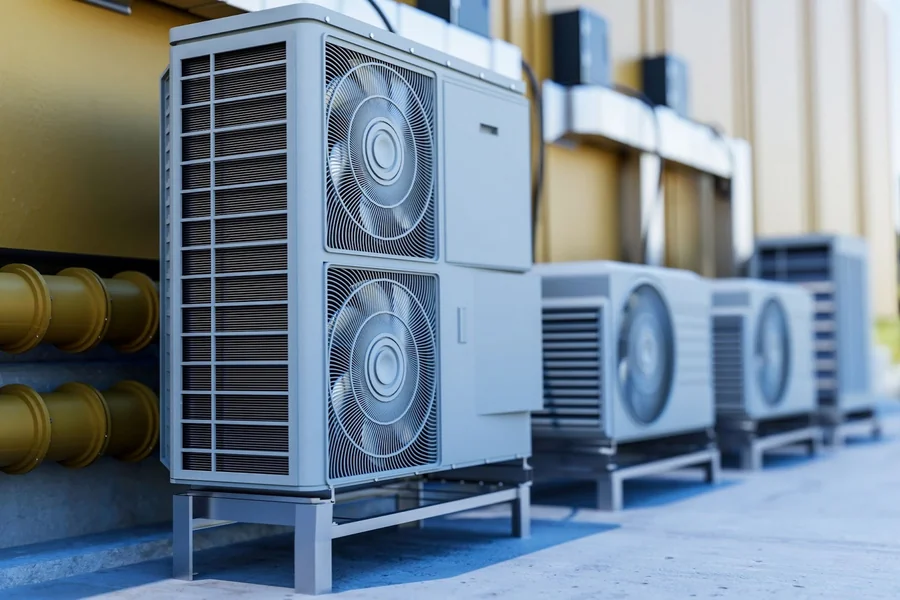
The outdoor and indoor units’ exact locations are also very important. If the external condenser is crammed into a small space with little space for it to “breathe,” it will be unable to effectively remove heat. The system works harder overall, which directly erodes the high efficiency ratings you purchased.
Effects of Installation Quality on Energy Consumption
It’s important to remember that leaking or badly built ductwork can reduce an HVAC system’s efficiency by up to 30%. You are effectively paying to heat your crawlspace or attic if the ducts are not sealed throughout the installation process using mastic or premium foil tape.
Poor HVAC installation quality shows up immediately on your bill. When a system struggles against restricted airflow or incorrect refrigerant levels, its energy consumption spikes. Over a decade, that cheaper installation could cost you thousands in wasted electricity.
Comfort, Air Quality, and Noise: The User Experience Factor
We’ve all been in that one house where the AC sounds like a jet engine taking off or where the master bedroom is always five degrees warmer than the kitchen. These aren’t usually faults of the machine; they are symptoms of poor balance.
High-quality installers ensure that air volumes are balanced across the home. They also ensure that units are mounted on vibration-isolation pads to keep the humming from vibrating through your floorboards. Good installation isn’t just about the temperature; it’s about the silence and the consistency of the air you breathe.
System Reliability and Maintenance Over the Years
A perfect installation sets the stage for easy HVAC maintenance. When a system is installed with proper clearances and accessible ports, it is much more likely that future technicians will actually perform the necessary checks.
I’ve seen installations where the filter rack is blocked by a water heater, meaning the filter never gets changed. The equipment experiences a “death spiral” as a result of this lack of vision. Only when the original installation considered the unit’s long-term use was proactive HVAC maintenance feasible.
Compliance, Safety, and Manufacturer Warranty Considerations
But here’s the thing: most manufacturers will actually void your warranty if they find the system wasn’t installed according to their specific installation manual. If a fly-by-night contractor skips the permit process or fails to follow local building codes, you are left holding the bag when a major component fails.
It’s not just about paperwork; it’s also about building a paper trail that safeguards your 10-year parts warranty by making sure your installation is certified and has the required licenses.
How to Ensure High-Quality HVAC Installation
So, how do you spot a quality team? Look for these three signs:
- They take measurements: If they don’t look at your ducts or count your windows, they are guessing.
- They use digital tools: Modern systems require digital gauges for precision; old analog dials often aren’t accurate enough for 2026 standards.
- They provide a startup report: A quality pro will give you a document showing the final pressures, temperatures, and amp draws.
In conclusion
The HVAC system in your home is perhaps the most expensive appliance. If you think of the installation as a commodity, you’ll end up with higher bills and shorter equipment life. If you pay attention to the HVAC installation quality from the start, your home will stay a comfortable place to live for years to come.