
Inside the World of Caviar Farming: How Leading Aquafarms Shape Quality and Sustainability
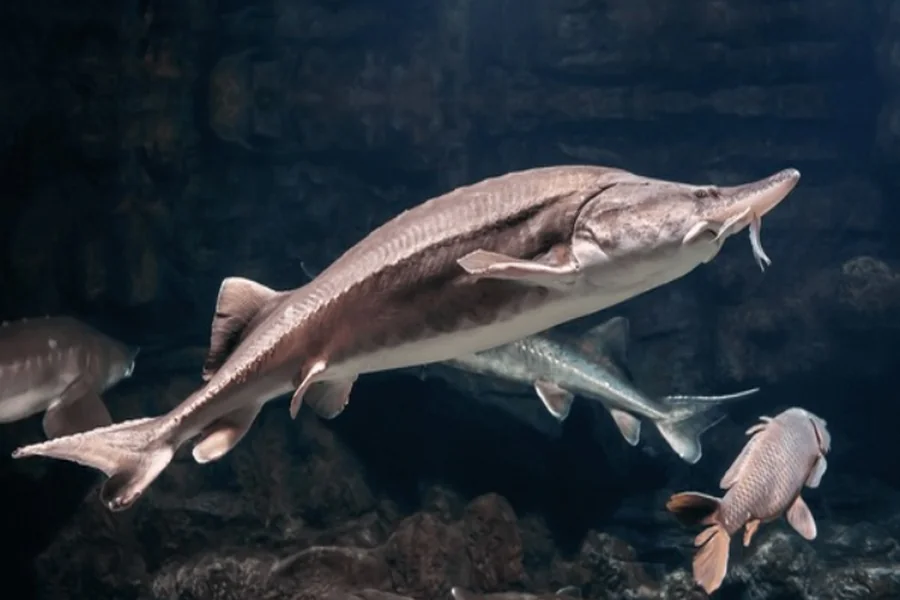
Modern caviar farming has transformed one of the world’s most iconic delicacies, redefining how luxury, responsibility, and craftsmanship coexist. Today, the best place to buy caviar is no longer defined solely by tradition but by innovation, transparency, and sustainable practices, as seen in trusted sources like https://bestercaviarstore.com/. What was once dependent on wild sturgeon fishing has evolved into a refined global industry where aquafarms play a central role in preserving quality while protecting nature.
This shift has not diminished the prestige of black caviar. On the contrary, it has elevated it — making premium caviar more consistent, ethically produced, and aligned with modern values of sustainability and environmental stewardship.
The Evolution of Caviar Farming
For centuries, caviar production relied almost entirely on wild sturgeon harvested from rivers and seas such as the Caspian and Black Sea basins. While these regions became legendary for their roe, overfishing and illegal harvesting pushed sturgeon populations to the brink of extinction. By the late 20th century, it became clear that traditional practices were no longer viable.
Controlled aquaculture emerged as a necessary solution. By transitioning sturgeon from open waters to carefully monitored environments, producers gained the ability to regulate every aspect of the fish’s life cycle. Aquafarms allowed for long-term planning, consistency, and — most importantly — the survival of sturgeon as a species.
Today, aquaculture is not seen as a compromise but as the foundation of the future of caviar, ensuring that excellence and conservation move forward together.
What Makes a Leading Caviar Aquafarm
Not all aquafarms are created equal. The most respected producers distinguish themselves through meticulous attention to environmental and biological details.
- Water quality and filtration systems are at the heart of premium caviar farming. Leading aquafarms use advanced filtration and circulation systems to replicate natural river conditions, maintaining stable temperatures, oxygen levels, and mineral balance.
- Fish welfare and long-term maturation are equally critical. Sturgeon require many years — sometimes over a decade — to reach maturity. Top-tier farms prioritize low-stress environments, spacious tanks, and minimal handling, allowing fish to develop naturally and produce roe with optimal texture and flavor.
- Feed, density, and stress management also play decisive roles. Carefully formulated diets, controlled population density, and calm surroundings contribute to healthier fish and more refined caviar. The result is a product that reflects patience, precision, and respect for the animal.
Global Caviar Aquafarms: A Look Across Regions
Modern caviar farming is a truly global endeavor, with each region bringing unique strengths to the industry.
In Europe, tradition meets innovation. Countries such as Italy and France combine centuries-old culinary heritage with cutting-edge aquaculture technology. European farms are known for their strict quality standards and emphasis on flavor refinement.
The Middle East and Africa offer climate-driven advantages. Stable temperatures and access to clean water sources allow farms in these regions to maintain consistent growing conditions year-round, supporting long maturation cycles and reliable output.
Meanwhile, North America and Asia lead in scale, technology, and regulation. Advanced monitoring systems, genetic research, and rigorous oversight help ensure both safety and consistency. These regions demonstrate how modern infrastructure can support premium production without sacrificing quality.
Sustainability and Ethical Responsibility
One of the most significant contributions of aquafarms is their role in protecting wild sturgeon populations. By eliminating dependence on wild harvesting, farms reduce pressure on endangered species and help ecosystems recover.
Traceability and certification standards further reinforce ethical practices. Reputable aquafarms operate under strict regulatory frameworks, ensuring transparency from hatchery to harvest. This traceability gives consumers confidence in both the origin and integrity of the product.
Responsible harvesting and long-term ecological impact are also central concerns. Many farms adopt harvesting methods that prioritize fish welfare and resource efficiency, aligning luxury production with environmental responsibility. Sustainability is no longer optional — it is an integral part of premium caviar’s identity.
How Farming Practices Influence Flavor and Texture
The characteristics of black caviar are deeply influenced by how and where it is produced.
The mineral composition of water affects salinity, firmness, and the subtle nuances of flavor. Clean, mineral-balanced water contributes to pearls that are glossy, firm, and delicately briny.
Diet and maturation time shape the complexity of taste. Slow-growing sturgeon fed carefully balanced diets develop roe with deeper umami notes, creamy textures, and elegant finishes.
Finally, consistency and quality control ensure that each tin meets the same high standards. Unlike wild-harvested caviar, aquafarm production allows for uniformity, giving chefs and connoisseurs confidence in every serving.
The Future of Caviar Aquaculture
Looking ahead, the future of caviar farming lies at the intersection of technology and transparency. Innovations such as AI-driven monitoring, sustainable energy systems, and improved breeding techniques are already reshaping aquaculture.
At the same time, consumer demand for transparency continues to grow. Today’s buyers want to know where their caviar comes from, how it is produced, and whether it aligns with ethical values.
This has given rise to the concept of sustainable luxury — a model where indulgence and responsibility coexist. Leading aquafarms are not just producing caviar; they are redefining what luxury means in a modern world.
Final Thoughts
Leading aquafarms have fundamentally reshaped the caviar industry, proving that premium black caviar can be both exceptional and responsible. Through innovation, sustainability, and unwavering commitment to quality, they have preserved the essence of one of the world’s most coveted delicacies while securing its future.
Today, caviar farming stands as a testament to how tradition can evolve without losing its soul — offering a refined experience that honors both craftsmanship and the environment.