
How to Choose the Right Glass Table Top for Your Home or Office
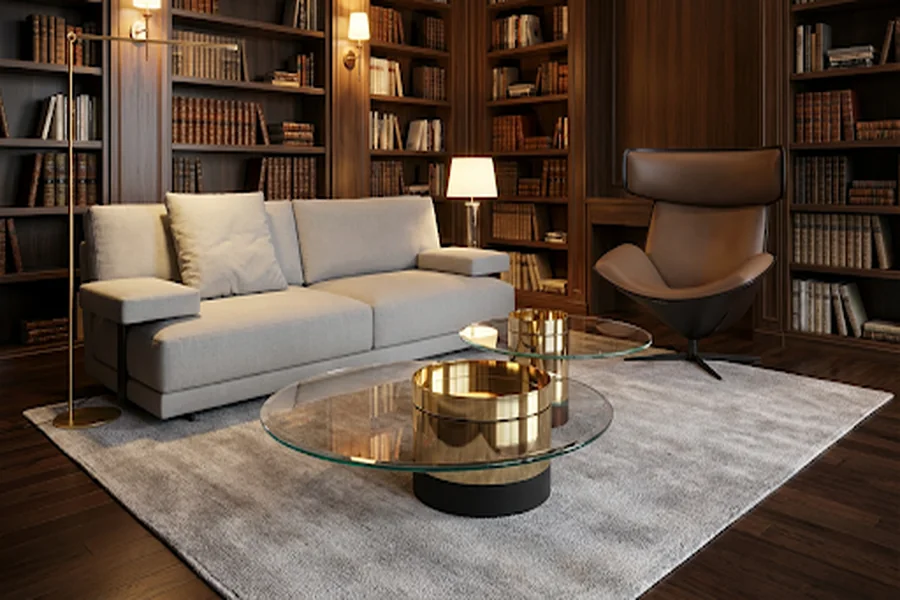
A glass table top is more than just a functional surface, it’s a design statement that can enhance the elegance, light, and sense of space in your home or office. With a wide variety of glass types, thicknesses, edge finishes, and shapes available, selecting the perfect glass table top can feel overwhelming. This guide will walk you through everything you need to know to choose the right glass table top that combines beauty, durability, and practicality.
Understand the Purpose of Your Glass Table Top
Before selecting a glass table top, consider how you will use it. Glass table tops serve multiple purposes:
- Dining Tables: Offer a sleek and modern look while being easy to clean.
- Coffee Tables: Enhance living room aesthetics and create a sense of space.
- Office Desks: Provide a professional and stylish surface for work.
- Outdoor Tables: Tempered or laminated glass tops can withstand weather and UV exposure.
Your intended use determines the type of glass, thickness, and durability required.
Choose the Right Type of Glass
Glass table tops are available in several types, each offering unique benefits:
- Tempered Glass: Heat-treated for strength; resists shattering and is safe for everyday use.
- Laminated Glass: Two or more layers of glass bonded with a plastic interlayer; offers added safety and reduces breakage risks.
- Frosted or Etched Glass: Adds privacy and a decorative finish while reducing visible fingerprints.
- Tinted Glass: Available in shades like grey, bronze, or black for a modern or elegant look.
- Clear Glass: Classic and versatile; reflects light and complements any décor style.
Choosing the right type of glass is critical for safety, aesthetics, and long-term durability.
Consider the Thickness
Glass table top thickness affects both strength and appearance. Typical thicknesses range from 6mm to 19mm:
- 6–8mm: Suitable for small side tables or low-use surfaces.
- 10–12mm: Ideal for dining tables or office desks; balances strength and elegance.
- 15–19mm: Best for large tables or heavy-use areas; provides a premium, solid feel.
Thicker glass is stronger but heavier and more expensive. Consider your support base and installation requirements.
Select the Right Shape and Size
Glass table tops come in various shapes to suit your space and style:
- Rectangular: Classic and functional for dining rooms and offices.
- Square: Compact and ideal for small dining areas or coffee tables.
- Round or Oval: Encourages conversation in dining spaces and softens sharp edges.
- Custom Shapes: Perfect for unique designs, corner spaces, or luxury interiors.
Measure your table base and available space to ensure the glass top fits perfectly.
Edge Finish Matters
Edge finishing not only affects appearance but also safety:
- Polished Edges: Smooth, rounded edges for a modern and safe finish.
- Beveled Edges: Adds elegance and decorative flair.
- Flat or Straight Edges: Minimalist look for contemporary spaces.
- Seamed Edges: Often used for thicker or custom glass designs.
Choosing the right edge finish enhances both style and usability.
Decide on Installation and Support
A glass table top requires proper support to ensure safety:
- Metal or Wooden Frames: Provide stability and complement your interior style.
- Pedestal Bases: Ideal for round or oval glass tables.
- Floating or Wall-Mounted: Suitable for office desks or modern console tables.
- Suction Pads or Silicone Feet: Prevent slipping and protect the base.
Ensure your base can support the weight of the glass, especially for thicker or larger tops.
Match Your Interior Style
Glass table tops blend well with various interior styles:
- Modern and Minimalist: Clear glass with sleek metal or wooden bases.
- Luxury and Contemporary: Tinted or beveled glass with decorative frames.
- Industrial: Thick tempered glass with black metal supports.
- Traditional: Laminated or etched glass with ornate wooden bases.
Choosing a style that complements your room creates a cohesive and sophisticated look.
Maintenance and Cleaning Tips
Glass table tops are easy to maintain but require proper care to stay pristine:
- Daily Cleaning: Use a soft cloth with a non-abrasive glass cleaner.
- Avoid Scratches: Use coasters, placemats, or felt pads under objects.
- Remove Stains Promptly: Wipe spills immediately to prevent etching or watermarks.
- Polishing: Occasionally, polish tempered glass for extra shine.
Proper care keeps your glass table looking new for years.
Safety Considerations
Safety is crucial, especially in homes with children or pets:
- Tempered Glass: Breaks into small, less harmful pieces if shattered.
- Rounded or Beveled Edges: Reduces the risk of cuts or injuries.
- Secure Installation: Ensure the glass is firmly placed on the base and supported evenly.
- Avoid Overloading: Don’t place heavy items beyond the glass’s weight capacity.
Choosing the right glass and installation method minimizes risk.
Budgeting for Your Glass Table Top
Glass table tops come in a wide price range depending on:
- Type of glass (tempered, laminated, frosted, tinted)
- Thickness and size
- Edge finish and design
- Custom shapes or designer brands
- Installation costs
While glass can be an investment, its durability, elegance, and versatility make it worthwhile.
Conclusion
Selecting the perfect glass table top requires careful consideration of purpose, glass type, thickness, shape, edge finish, and interior style. By understanding your needs, measuring accurately, and choosing quality glass, you can elevate your space with a table that is both beautiful and functional. A well-chosen glass table top reflects light, enhances room aesthetics, and provides a practical, long-lasting surface that fits seamlessly into your home or office design.