
Productivity Tools That Improve Work Planning and Resource Allocation
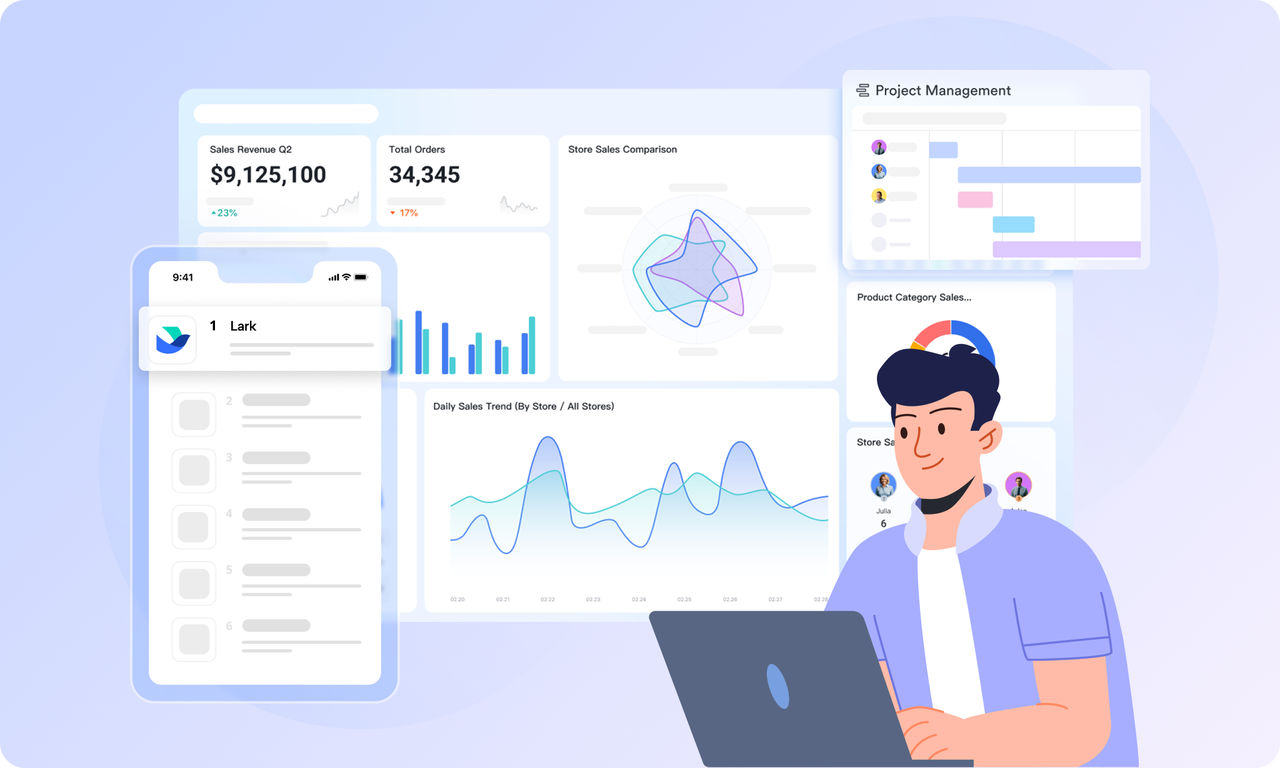
To achieve a high-performance culture, organizations must move beyond a collection of disparate apps and toward a synchronized environment. When your tools share the same “digital DNA,” information flows naturally between departments without manual intervention. True project risk is mitigated when the “seams” between different departments are sealed by automation.
In the high-stakes environment of modern business, project failure is rarely a result of poor intent; it is almost always a symptom of “information friction.” When data exists in silos and communication is fragmented, project planning suffers. To survive this complexity, leadership must move away from a collection of “chat and docs” and toward a unified workspace. By adopting a platform like Lark, organizations can bridge the structural gaps where information typically disappears.
Here are seven advanced features designed to dismantle traditional bottlenecks and provide the structural integrity required for complex, multi-stakeholder projects.
Real-time resource calibration with Lark Base
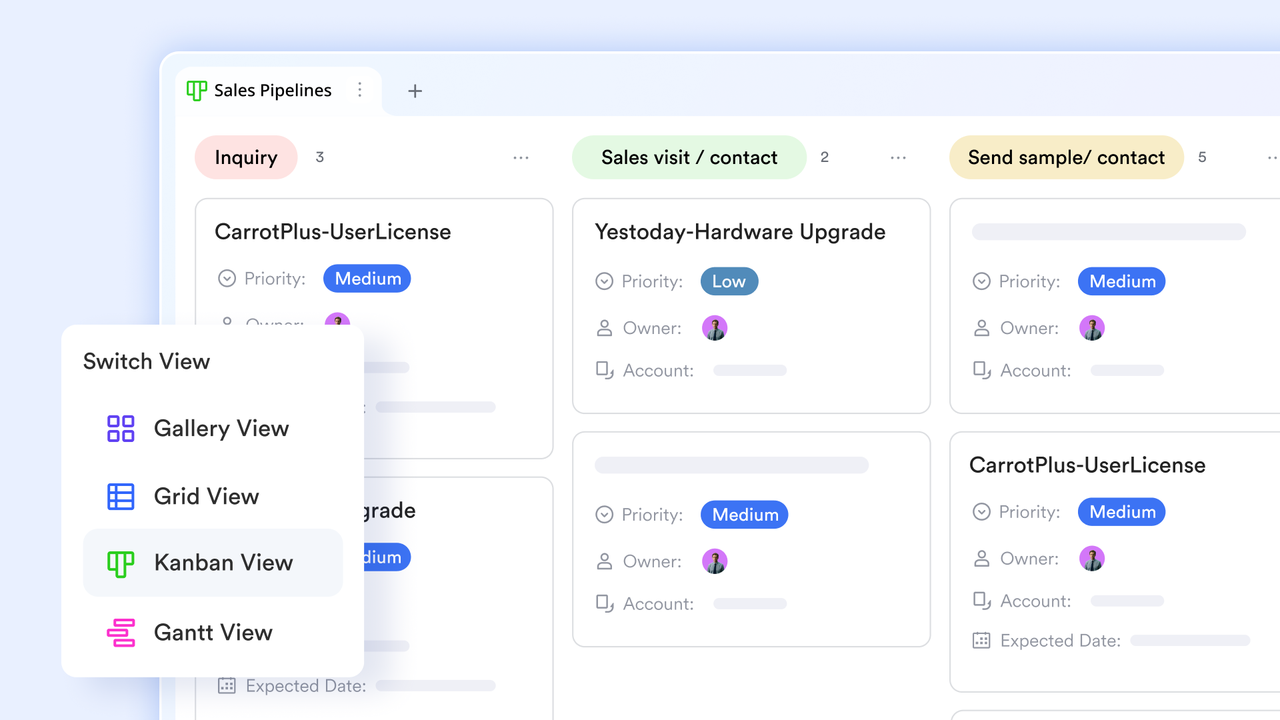
Manual data entry and static spreadsheets are the primary sources of planning risk due to human error and data decay. Lark Base functions as a relational database that structures information the moment it enters the workspace, allowing for multi-dimensional views, such as Gantt, Kanban, or Gallery, that all update simultaneously across the cloud. By automating the “connective tissue” between departments, you ensure that a change in a project timeline is immediately reflected across every related team’s dashboard. This single source of truth aligns with the principles of modern project management tools for complex operations, as it prevents mismatched expectations that can lead to significant work delays.
Predictive alignment via Lark OKR
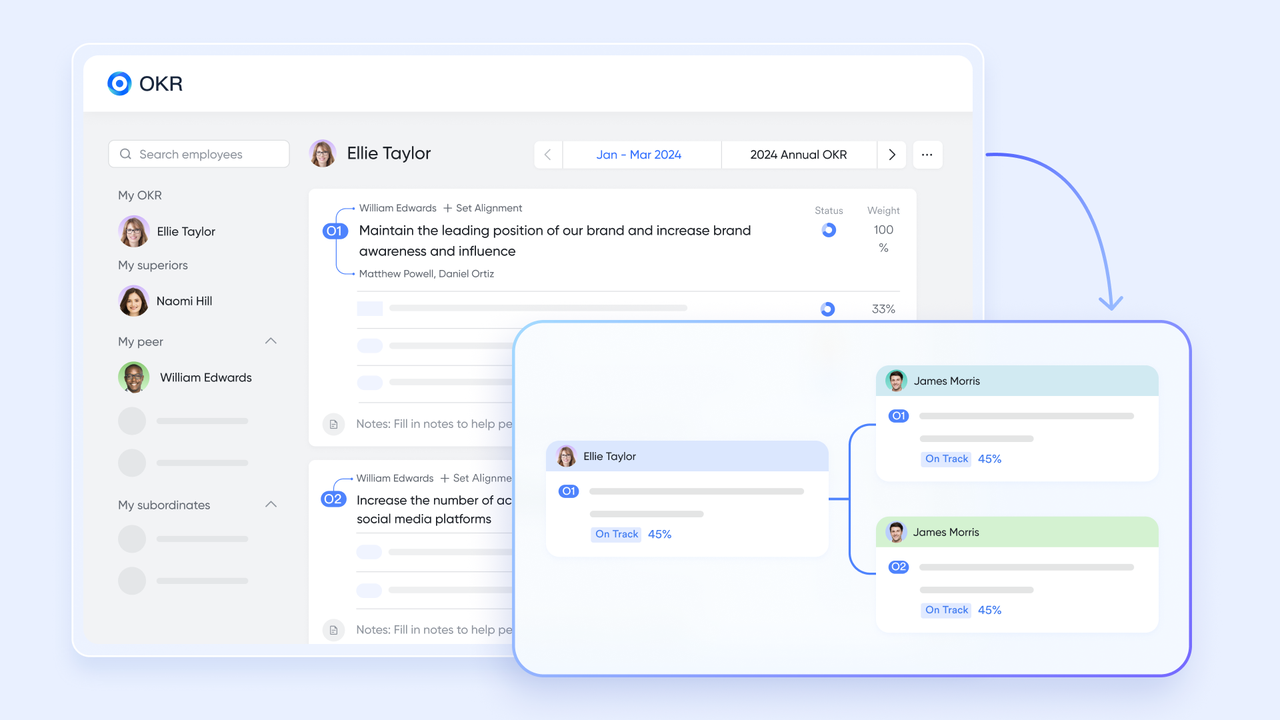
Strategy often fails when it becomes disconnected from the granular daily tasks of the workforce. Lark OKR bridges this gap by creating a live feedback loop between high-level objectives and execution. The system provides clear progress roll-ups by tracking task completion within the integrated database. While the system provides the data, it relies on managers to proactively update the status of an objective—such as marking it “At risk”—when they see milestones slipping. This human-in-the-loop approach ensures that leadership remains deeply engaged with the work, shifting the culture from reactive fire-fighting to informed, manual oversight.
Cognitive load protection with Lark Messenger
As a project grows in complexity, the sheer volume of chat groups often leads to “notification paralysis,” where critical updates are buried under trivial chatter. Lark Messenger addresses this by acting as a digital gatekeeper, ensuring your team remains in a “flow state” while staying informed through native chat recaps. When a team member returns from a deep-work session, they can use the topic-based recap directly within the chat window to see unread messages grouped by theme rather than a raw timeline. This function automatically identifies action items and direct questions addressed to the user, restoring cognitive focus and ensuring the “urgent” never interrupts the “important.”
Intellectual property preservation with Lark Wiki
Project delays often occur when team members are forced to wait for answers regarding SOPs, brand bibles, or technical documentation. Lark Wiki prevents these bottlenecks by serving as a centralized, searchable “digital brain.” Using semantic AI search, employees can ask natural language questions and receive cited answers directly from authorized project manuals. This platform ensures that “tribal knowledge” is never lost when a key stakeholder leaves the project. By digitizing your institutional brain, you create a proactive knowledge architecture where the information finds the user, rather than the user spending hours hunting for a PDF in a fragmented folder system.
Synchronized coordination via Lark Calendar
In most projects, onboarding a new stakeholder or vendor involves a tedious series of manual invites and scheduling conflicts. Lark Calendar utilizes subscription logic to automate this alignment. Instead of individual invites, you can create project-level calendars that new members join automatically based on their folder permissions. This ensures that every participant is instantly aligned with milestones, deadlines, and recurring syncs from the moment they join the project. This shifts the burden of coordination from the project manager to the digital infrastructure, allowing the team to move at full speed from day one without the coordination friction that typically stalls project launches.
Accelerated governance with Lark Approval
Bureaucracy is often the primary reason projects fall behind schedule, as approvals for budgets or contracts sit dormant in an email inbox. Lark Approval moves these governance workflows directly into the communication stream, featuring “Parallel Routing” and “Auto-Delegation.” This ensures that a request is never stuck behind a single person who is unavailable, as the system can automatically reroute the request to a designated backup. By accelerating the “cycle time” of sign-offs, the business maintains momentum and can authorize resources with a single tap on their mobile device. This level of frictionless governance provides a transparent, audit-ready paper trail that protects the project’s integrity without sacrificing its speed.
Semantic intelligence with Lark Minutes
The most expensive data silos in any company are the insights shared in meetings that never make it into the project documentation. Lark Minutes bridges this gap by turning every video call into a searchable institutional asset. Beyond simple transcription, the tool uses semantic analysis to categorize discussions into “Decisions,” “Action Items,” and “Risks.” This ensures that if a stakeholder mentions a potential bottleneck during a sync, that insight is captured and can be searched by anyone in the organization. This prevents the “Memory Leak” that typically occurs in complex projects where original intents are often forgotten.
Bonus: Why does your app stack cost more than you think
Many growing teams start by checking Google Workspace pricing for basic email and storage, but soon realize these tools can’t handle complex project tracking. This leads to “app bloat,” where companies layer on a $12/user subscription for Asana to manage tasks, $8/user for Slack to handle chat, and $15/user for Zoom for meetings.
This “app gap” forces employees to waste hours daily switching tabs just to find information. Lark fixes this by pulling your entire office into one window. By replacing a patchwork of disconnected tools with a single home for your data, you eliminate the mental tax on your team and focus entirely on business growth.
Conclusion
Modern work planning is no longer just about tracking tasks; it is about managing the cognitive energy and data flow of an entire organization. Moving to a synchronized environment doesn’t just reduce risk, it changes the fundamental physics of how your team works.
By consolidating these seven functions into a single ecosystem and a modern set of productivity tools, you aren’t just saving on per-seat licenses, you are reclaiming your team’s collective focus. When you eliminate the “manual friction” of switching between siloed apps, you allow your project to stop being “information routers” and start being “strategic architects.” This level of architectural clarity is what allows a modern business to scale its headcount without scaling its confusion, ensuring that every project stays on track, under budget, and aligned with the company’s long-term vision.