
How Whistleblower Protections Shape Workplace Transparency
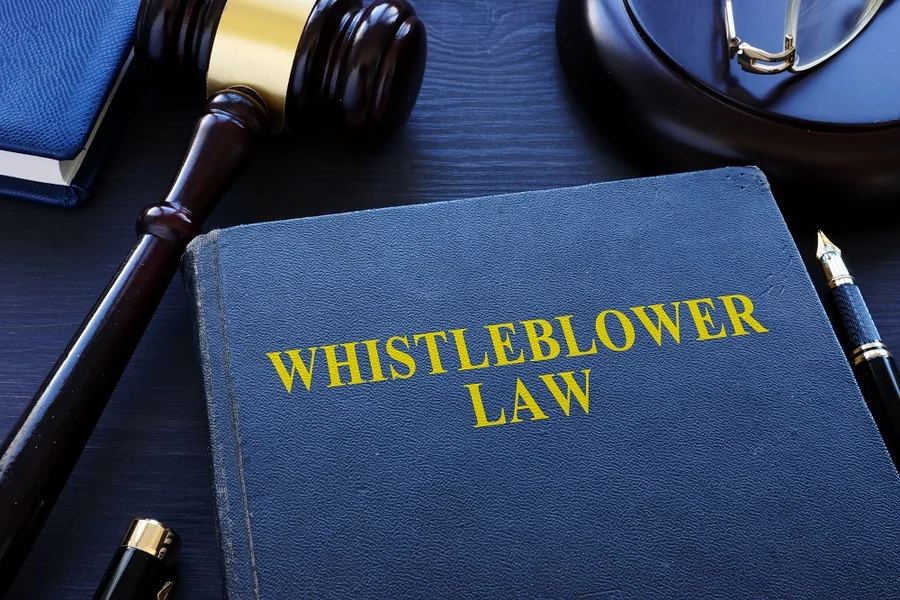
Key Takeaways
- Whistleblower protections are crucial for promoting ethical behavior and transparency in the workplace.
- Effective internal reporting systems can prevent misconduct and mitigate risks.
- Legal frameworks and organizational policies must evolve to address emerging challenges in whistleblower protection.
Whistleblower protections are not only a legal requirement in many jurisdictions but are also a fundamental element in encouraging an open and ethical workplace. By providing security and reassurance for individuals who report misconduct, companies are more likely to uncover and resolve problems internally before they escalate. If you are considering reporting misconduct, learning how to find a whistleblower lawyer can be a crucial first step in understanding your rights and securing the protection you deserve.
Safeguarding those who bring unethical or illegal actions to light helps build a foundation of trust within organizations. It reassures employees that ethical conduct is valued and that their voices matter. This transparency not only protects the company’s reputation but also benefits stakeholders by minimizing risks associated with undetected violations. Organizations that fail to create a safe environment for whistleblowers often face increased scrutiny, regulatory penalties, and reputational harm. Encouraging transparency can serve as a proactive measure to address issues before they develop into larger, potentially more damaging crises.
Importance of Whistleblower Protections
Whistleblowers are often the first line of defense against fraud, corruption, and other forms of organizational malpractice. Their willingness to report wrongdoing can halt harmful activities and initiate corrective actions that benefit customers, employees, and shareholders. However, whistleblowers frequently encounter retaliation ranging from demotion and termination to legal threats and social ostracism. Without credible safeguards, the fear of these consequences may deter employees from coming forward. Comprehensive whistleblower protection laws and clear company policies can counter this fear, promoting a workplace culture that prioritizes compliance and ethics. This, in turn, helps maintain public trust and supports robust governance. Globally, authorities such as the Organization for Economic Co-operation and Development (OECD) recommend robust whistleblower protections to sustain integrity in both the public and private sectors. Guidance from the OECD sets a framework for legal and organizational changes needed to strengthen protections worldwide.
Internal Reporting Systems
An effective internal reporting system is the cornerstone of any whistleblower protection program. Channels such as anonymous hotlines, secure websites, and designated ethics officers can facilitate safe reporting. Confidentiality is paramount because it protects whistleblowers’ identities and reassures others that they, too, can safely report concerns. Companies with well-structured reporting mechanisms are more successful in resolving issues before they warrant external intervention. This mitigates reputational risk, strengthens internal controls, and ultimately adds value for the entire organization.
In addition, regular training and clear communication of reporting procedures help ensure that employees fully understand how and when to raise concerns. Leadership commitment also plays a crucial role in building trust, as employees are more likely to report issues when they see accountability being taken seriously at the highest levels. Over time, a strong reporting culture encourages ethical behavior, early detection of misconduct, and a more transparent, responsible workplace.
Legal Frameworks and Challenges
Legal protections for whistleblowers vary significantly by country and sector. In the United States, for example, the Sarbanes-Oxley Act and the Dodd-Frank Act provide protections and incentives for reporting financial and securities law violations. Meanwhile, the European Union’s Directive on the protection of persons who report breaches of Union law establishes minimum standards for whistleblower safety across member states. Despite these advancements, obstacles persist in many jurisdictions. Ambiguities in law, inconsistent enforcement, and inadequate organizational support can undermine the effectiveness of protections. Continued legislative updates and persistent advocacy are needed to close these gaps, especially concerning complex issues such as national security disclosures and cross-border investigations.
Role of Organizational Culture
The tone from leadership sets the standard for ethical conduct throughout an organization. Senior executives must publicly endorse transparent practices and actively empower employees to speak up. Training, regular communication, and clear zero-tolerance policies for retaliation foster an open environment. Inclusion of whistleblower protection in onboarding materials and ongoing employee education reinforces the message that integrity is part of the organization’s core values. Research by the Harvard Business Review shows that culture is often the deciding factor in whether employees report misconduct or remain silent. A healthy, supportive culture increases the likelihood that internal issues will be addressed before turning into scandals.
Case Studies
Successful whistleblower disclosures have prompted dramatic changes across industries. In Kosovo, a justice-sector employee’s decision to report systemic irregularities led to widespread reform of court processes and administrative oversight. This high-profile case highlights the transformative potential of protected disclosures and the need for accessible internal reporting channels. Other global cases, such as whistleblower-led investigations in multinational corporations, highlight how protections can improve regulatory compliance and drive ethical innovation. These stories reinforce the crucial role individuals play in safeguarding their organizations when supported by robust legal and cultural frameworks.
Conclusion
Whistleblower protections serve as a cornerstone for workplace transparency and ethical business practices. Organizations that prioritize strong internal reporting systems, advocate for continuous improvement in legal safeguards, and cultivate a culture of support can not only prevent harm but also build lasting trust. Investing in protective measures is not just a compliance obligation but a strategy for long-term success and accountability.