
How to Find the Right OEM Parts for Your Honda Model
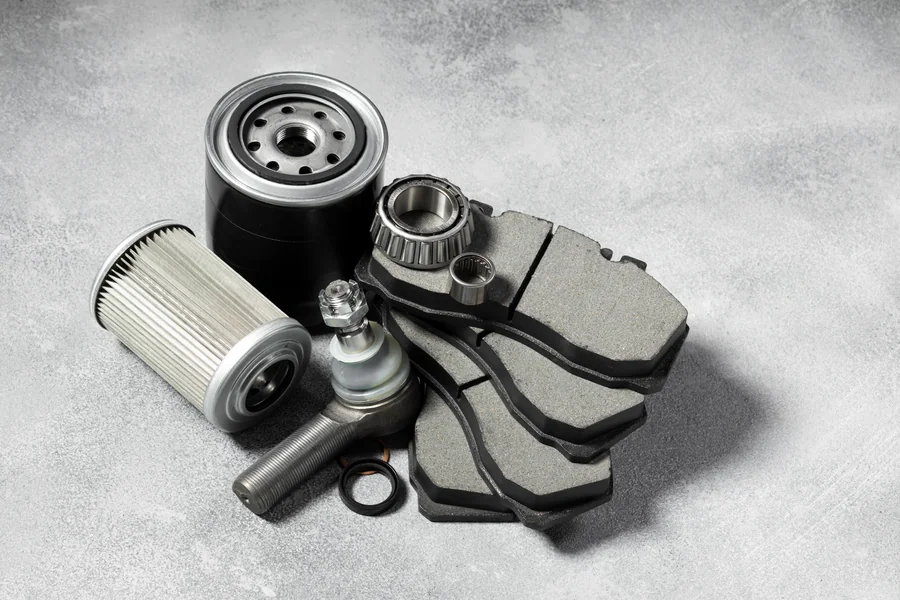
Finding the right OEM parts starts with knowing your Honda’s exact model, year, and trim level. Using the wrong part can cause fitment issues and affect your car’s performance.
Your Vehicle Identification Number, or VIN, is the most reliable way to confirm compatibility. It contains all the details a supplier needs to match the correct component. Choosing genuine Honda parts gives you factory-level quality and the assurance that the part was built specifically for your vehicle.
Why OEM Parts Matter for Your Honda
OEM stands for Original Equipment Manufacturer, meaning the part is made to the same specs as what came with your car. These parts are not universal and are designed to fit one specific application.
- Exact fitment – No modification needed during installation.
- Manufacturer warranty – Many OEM parts come with coverage.
- Consistent performance – Meets the same standards as the original.
- Longer lifespan – Built to match your Honda’s engineering tolerances.
How to Identify the Correct Part for Your Model
Getting the right part requires more than just a general search. A few simple steps can save you time and prevent costly mistakes.
Use Your VIN Number
Your VIN is a 17-character code found on the dashboard or driver’s side door jamb. Every digit tells a supplier something specific about your vehicle’s build. Always provide this number when ordering any replacement component.
Check the Part Number on the Old Component
Most Honda parts have a stamped or printed part number directly on them. Searching for that number gives you an exact match without any guesswork. This method works especially well for engine components and electrical parts.
Use Honda’s Official Parts Catalog
Honda’s online catalog lets you search by model, year, and category. It breaks down every system in your vehicle into diagrams with labeled components. This is the most accurate way to confirm you are ordering the right item.
OEM vs Aftermarket: Which Should You Choose?
Both options have valid uses depending on your situation. Understanding the difference helps you make a smarter buying decision.
| OEM Parts | Aftermarket Parts | |
| Fitment | Exact match | May require adjustments |
| Quality | Factory standard | Varies by brand |
| Price | Higher upfront | Usually, cheaper |
| Warranty | Often included | Depends on the seller |
For critical systems like brakes, suspension, and engine components, OEM is the safer choice. Aftermarket parts can work well for cosmetic or non-safety items.
Key Takeaways
- Always use your VIN when searching for Honda-specific components.
- OEM parts are built to exact factory specifications for your model.
- Check the part number on your old component for a direct match.
- Honda’s official catalog is the most reliable search tool available.
- OEM is the better choice for safety-critical systems.
- Aftermarket parts are acceptable for cosmetic or low-risk replacements.