
Space Planning Tips For Split-Level and Multi-Story Homes Common in Layton
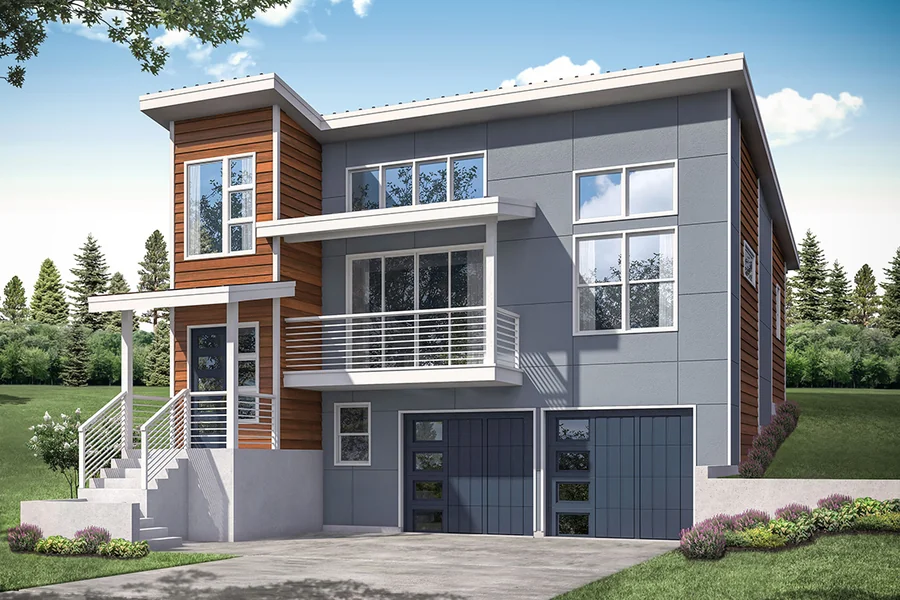
Split-level and multi-story homes are part of what gives Layton its welcoming suburban character. Built for families who value defined spaces, privacy, and efficient square footage, these homes often feature multiple short staircases, staggered living areas, separate family and living rooms, and flexible basement levels. While this architectural style adds charm and functionality, it can also present a unique challenge when it comes to space planning and furnishing.
Unlike single-story layouts, multi-level homes require thoughtful coordination to create cohesive flow, ensure furniture fits comfortably, and maintain functionality on every floor. Successful design in a split-level home balances connectivity with smart zoning — making sure each level serves a purpose without feeling cramped or disconnected.
Whether you’re settling into a newly purchased Layton home or refreshing your current space, strategic furniture choices and layout planning can make your multi-story home feel more open, inviting, and efficient. Below are practical tips to help maximize comfort and function across all levels.
Understanding the Flow of Multi-Level Living
Before placing any furniture, it’s helpful to step back and evaluate how your home moves. Split-level layouts are designed with intentional flow: typically, the main entry leads up to the living areas and down to more casual or private spaces. Because of this, each level has a natural rhythm and purpose.
Many Layton homeowners use the upper level for bedrooms and quiet spaces, the mid-level for daily living and entertaining, and the basement or lower floor for recreation, offices, or guest spaces. When you understand which areas are meant to energize and which are meant to calm, it becomes much easier to select the right furniture style and size for each floor.
Creating visual consistency across levels doesn’t mean everything must match, but maintaining complementary colors, finishes, and furniture proportions can help unify the home and support natural movement between spaces.
Choosing the Right Furniture Scale
Space planning begins with scale. In multi-story homes, rooms can vary in size dramatically — a wide open main living room on one level and a cozy den on the next. Oversized furniture may overwhelm smaller spaces or block pathways, especially near staircases. In contrast, furniture that is too small can make larger rooms feel sparse and less inviting.
Sectionals, for example, work well in spacious main living rooms, while loveseats, accent chairs, and slim sofas suit lower-level family rooms or loft-style areas. Choosing furniture with clean lines and low profiles can help maintain an open feel, especially when rooms are adjacent to stair railings or open landings.
Multi-functional pieces are especially useful in split-level homes. Benches with storage, adaptable shelving, and ottomans that act as seating and table surfaces all help maximize utility without crowding a room.
Connecting Levels with Design Consistency
While each floor can hold its own identity, multi-level homes feel more cohesive when there’s a visual thread tying floors together. This can be achieved with color palettes, flooring choices, and recurring textures. Repeating one or two elements — such as similar wood tones, matching hardware finishes, or a recurring accent color — strengthens harmony between floors.
Staircases are a natural connector in split-level homes, and enhancing them with complimentary artwork, wall paint, or lighting helps reinforce the design flow. Rugs can also play an essential role: choose transitional rugs that relate to each other rather than using completely unrelated styles. When eyes can travel easily from one level to the next, the home feels more unified, even with different functions happening on each floor.
Zoning Each Level for Purpose and Comfort
One of the advantages of split-level homes is the ability to define zones without building walls. Each level can serve a designated purpose while still maintaining connection to the rest of the home.
Many Layton families use the lower level as a media room, playroom, or teen hangout space. Because it is slightly separated from the main living areas, it allows for louder or more casual activity. Comfortable, durable seating works best here, along with practical storage solutions for games, blankets, and entertainment accessories.
The mid-level often includes the living room, kitchen, and dining area. This floor benefits from furniture that supports conversation, hosting, and daily family life. Upper floors typically house bedrooms and office spaces, calling for calm, restful design.
Zoning enhances functionality without sacrificing flow. Once each level has a defined purpose, it becomes easier to choose the right furniture and layout for that specific environment.
Making the Most of Transitional Spaces
Split-level homes often introduce areas that aren’t quite rooms — such as landings, small hallway-style spaces between stairs, or small loft areas. While some people overlook these spaces, they can become extremely useful with intentional planning.
A compact desk on a landing can create a homework or remote-work nook. A bench near a staircase can provide a convenient drop zone for backpacks or shoes. Slim bookshelves or curated décor along transitional walls can transform in-between spaces into meaningful visual moments.
Thoughtfully using these overlooked areas adds functionality without altering the structure of the home.
Lighting for Multi-Story Homes
One of the challenges in multi-level homes is ensuring consistent, layered lighting. Because staircases and level changes can limit natural light from spreading evenly, lighting choices can make a significant difference.
A combination of overhead fixtures, sconces, and floor or table lamps helps brighten each level while adding personality. Statement lighting above staircases or in entryways also defines the architectural beauty of split-level design.
Matching or coordinating lighting finishes across levels promotes harmony, while varying fixture shapes and styles keeps things interesting.
Storage Strategies for Multi-Level Spaces
Clutter spreads quickly when a home spans multiple floors. Smart storage solutions help keep floors tidy, especially high-traffic levels where items tend to accumulate.
Built-in shelving, storage benches, credenzas, console tables near stairs, and furniture with hidden storage compartments all help restore order. When each level has storage designed for its activities — such as toy baskets downstairs, charging drawers on the main floor, and linen storage upstairs — items stay in their designated zones and the home feels balanced.
Designing for Family Growth and Flexibility
Many Layton families grow into their split-level homes, and the most successful space plans account for evolving needs. A playroom today may become a study space later. A quiet reading nook may evolve into a music or hobby space. Choosing flexible furniture ensures your home adapts with your lifestyle.
Modular furniture, adjustable shelving, and convertible pieces allow rooms to transform as kids age, guests stay longer, or lifestyle changes occur.
Furnishing a Split-Level Home with Ease
The key to furnishing a multi-level home is intentionality — thinking through flow, scale, functionality, and visual unity. For personalized guidance and a wide selection of furniture suited to Layton living, many homeowners turn to a trusted furniture store in Layton like RC Willey. Their team understands the local architecture and can offer layout solutions and furniture recommendations tailored to split-level and multi-story floorplans.
From sectionals designed for open living levels to versatile storage furniture and stylish décor, RC Willey helps families furnish homes in ways that enhance comfort, beauty, and practicality across every level.
A Home That Works Smarter on Every Floor
When space planning is done thoughtfully, a split-level home becomes a dynamic, efficient, and inviting place to live. By defining the purpose of each floor, choosing smart furniture solutions, and creating visual flow, families can enjoy a home that feels cohesive and comfortable from top to bottom.
Split-level architecture offers a wonderful opportunity to design spaces with individuality, while still fostering connection throughout the home. With the right planning and furniture choices, your home will support your lifestyle today — and continue adapting for years to come.