
What Makes a Portable Battery Charger Truly Travel-Ready?
Travelers rely extensively on their smartphones, cameras, tablets, and wearables; therefore, a portable battery charger is vital. However, not all chargers are made equal. A travel-ready charger offers more than just electricity; it also provides performance, safety, and convenience. Choosing the wrong one may result in dead gadgets when you need them the most. Whether you’re on a long-haul journey, navigating new cities, or camping off the grid, the appropriate charger will keep you connected. In this piece, we’ll look at what characteristics characterize a really travel-ready battery charger and how to choose the best option for your specific travel style, from work trips to adventure vacations.
What Are the Must-Have Features of A Travel-Ready Charger?
Capacity and Output Power
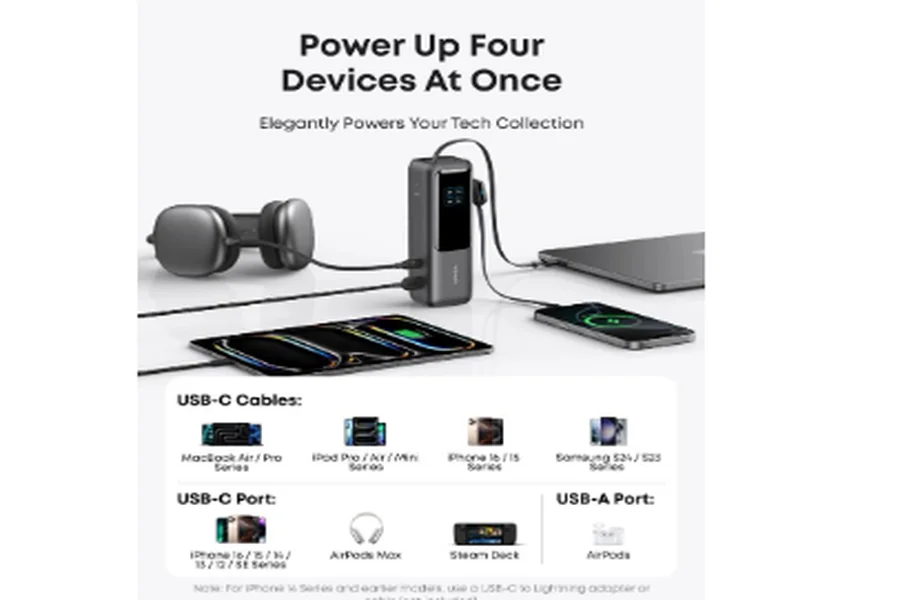
A dependable portable charger must balance battery capacity and output power. Look for a device with at least 10,000mAh—enough to charge a smartphone twice or three times. If you carry tablets or other power-hungry gadgets, consider 20,000mAh or higher. The speed at which your devices recharge is determined by their output power; choose models that enable at least 18W USB-C Power Delivery or Quick Charge. Chargers with numerous fast-charging ports are useful for juggling phones, earphones, and other devices. Remember that a larger capacity might result in additional bulk, so only scale up if necessary according to your daily power usage and device kinds.
Portability and Size/Weight
When packing light, every ounce counts. A portable charger should be tiny enough to fit in a pocket or small carry-on compartment without adding bulk. Lightweight variants weighing 200-400 grams are appropriate for day excursions and airport transfers. If you plan on carrying it in your pocket or sling purse, choose a thin style. Foldable plugs and built-in cables can also let you pack less stuff. Unless you’re going off-grid for an extended length of time, avoid large charges. To make an informed packing selection, always consider the specifications for dimensions and weight, not only battery size.
Safety Standards and Travel Compliance
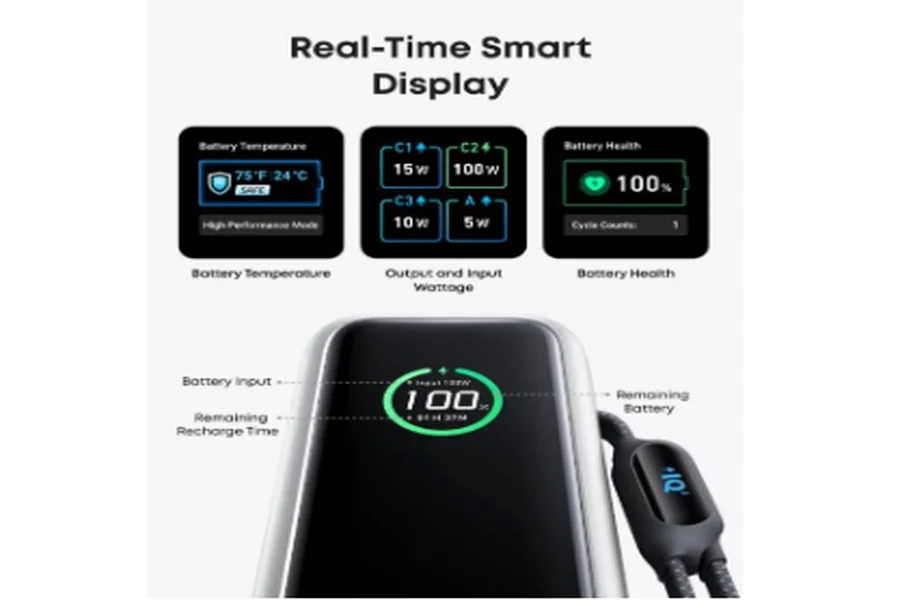
When flying with power packs, safety must not be compromised. Choose chargers that are CE, FCC, or RoHS certified to guarantee compliance with international electrical safety regulations. Airlines normally accept power banks with a capacity of less than 100Wh (approximately 27,000mAh), but always check with your carrier. TSA regulations mandate power banks in carry-on luggage rather than checked bags. To avoid dangers, look for protective measures such as overcharging, short circuit, and temperature control. LED indications for battery health and charge status provide greater transparency. A charger that meets airline and airport standards guarantees seamless security checks and peace of mind while en route.
How to Choose the Right Charger for Your Travel Style?
Business Trips vs Casual Vacations
Business travelers frequently want portable, fast-charging solutions to keep phones, tablets, and computers charged during meetings and flights. A small, high-power charger with USB-C PD is ideal. For casual tourists, extended battery life may be more important than rapid charging, especially if touring takes you away from outlets. A larger-capacity charger that can last many days is better suited for road trips or theme park visits. Business customers should emphasize charging speed and plug accessibility, whereas vacationers may benefit from more capacity and more ports. Matching your charger to the speed and priorities of your travel increases convenience.
Charging Multiple Devices vs a Single Device
If you travel with a smartphone, smartwatch, earbuds, and tablet, look for a power bank with at least two to three output ports—preferably with different port types (USB-A and USB-C). Models with several high-wattage outputs provide quick charging for many devices. If you are simply charging one phone, a lightweight, single-port charger would suffice. Also, consider pass-through charging, which allows you to charge both the power bank and your device simultaneously. This capability is handy in airports and during brief layovers. Understanding your regular charging pattern might help you estimate how many ports and outputs you really need.
Situations with Limited Access to Outlets
Remote walks, long bus journeys, and foreign travel frequently result in limited charging chances. A high-capacity charger (20,000mAh or more) keeps you charged up without the need for a wall plug. Some people choose solar-powered chargers for outdoor experiences. Outlet access at hostels or congested airports may be competitive, so having a fully charged battery is vital. Consider models that recharge quickly—chargers with a fast USB-C interface can significantly reduce recharging times. When you expect to have few opportunities to plug in, dependability and capacity become your most important qualities, allowing you to stay connected even in power-limited scenarios.
Conclusion
A travel-ready portable battery charger must be powerful, portable, and compliant with travel safety regulations. High capacity allows you to recharge many devices, while the compact size and weight make packing easy. Choosing the correct charger is determined by your travel habits—whether you’re on work, vacation, or an off-grid excursion. Consider how many gadgets you carry, how frequently you can locate an outlet, and your need for quick charging. Investing in the correct portable charger allows you to focus on your travel rather than worrying about electricity. With the correct stuff in your backpack, you can stay powered, safe, and make any journey go more smoothly.