
Elbow Support for Office Workers: Comfort Guide
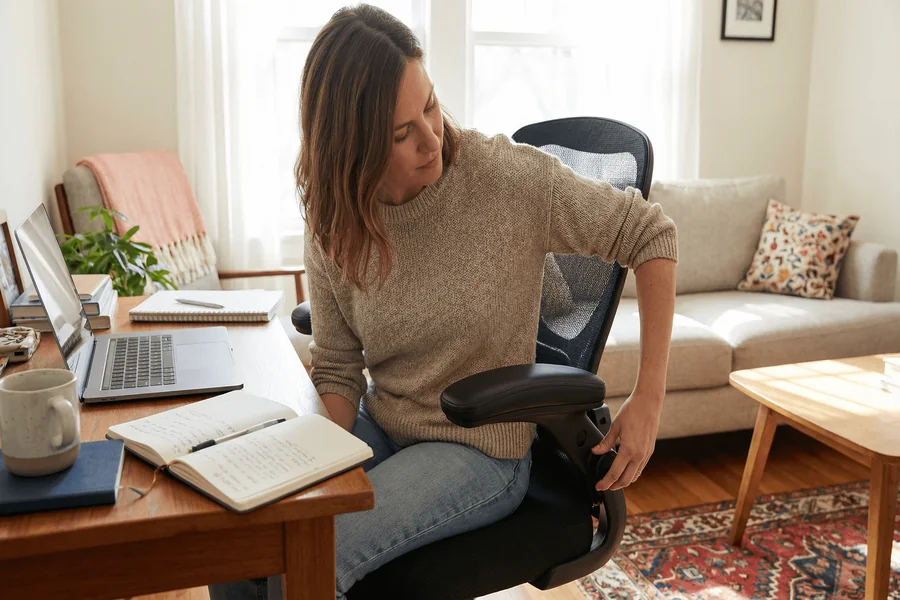
Ever noticed how dependent modern office work is on prolonged durations at a desk? There is reading email on laptops. At times, you are reading paper materials. These actions are what you probably do for the whole day. It can be from morning to evening. This is how the elbow gets affected. You will realize this by the end of the day.
Of course, the discomfort is so easy to ignore when it is minor. You may just think “Oh, this will go away after 30minutes or so” However, elbow discomfort is not something that you should ignore. You are supposed to search for its cause and how to prevent it before it becomes a bigger challenge.
One of the most effective measures to deal with elbow pain for office work is to incorporate an elbow support. Keyboard typing and mouse navigation put continuous stress on your arms. Quite a number of office workers experience discomfort in their forearms and joints.
This guide explores effective solutions to keep your arms comfortable and healthy during the workday. Understanding the mechanics of your arm helps you make better choices.
Small adjustments to your routine bring significant physical relief. Investing time in your workspace health improves your daily productivity. Comfortable workers focus better on their professional responsibilities. Let’s explore the effective tips for everyday desk comfort.
Understanding Desk Strain
Sitting at a desk seems low risk. However, repetitive movements create small strains as time passes. Your fingers move across keys thousands of times each day. Your wrist guides the mouse across a pad continuously. These actions require your forearm muscles to tighten and relax constantly. This continuous activity strains the tendons connecting muscles to bones. The small tissues near the joint become irritated. Office workers often ignore the initial subtle signs of stiffness. Early attention prevents minor discomfort from turning into a persistent issue. The human arm is not built for fixed static positions. Holding your arms parallel to the floor requires constant muscular effort.
Indications of Office Elbow Fatigue
- Mild aches near the joint during typing sessions
- Stiffness in the morning when opening your hand
- Tenderness when pressing the outside of the elbow
- Decreased grip strength when holding coffee mugs
- Tingle sensations in the ring and pinky fingers
- Tightness in the upper forearm after long meetings
- A pulling sensation when stretching your fingers backwards
Integrating Elbow Support at the Desk
An elbow support helps manage localized muscle strain. These supports apply gentle compression to the forearm muscles. This compression changes the direction of forces pulling on the tendon. It enables the irritated tissues to rest during light movement. Using a tennis elbow support at work provides external stabilization. It keeps the muscle fibers from over-expanding during heavy typing.
Selecting the Right Support Material
Material choice affects both comfort and daily product durability.
- Neoprene offers excellent heat retention and firm support
- Breathable knit fabrics prevent sweat buildup during summer
- Silicone inserts provide targeted pressure on specific spots
- Hook and loop straps enable easy tightness adjustments
The material should feel comfortable against your skin for hours. It should not cause any itchiness. It is not supposed to restrict your natural blood flow, either.
Desktop Stretches for Forearm Muscles
- You can perform quick stretches without leaving your desk chair.
- Extend one arm straight forward with the palm facing upward
- Use your other hand to pull your fingers downward gently
- Hold this position for fifteen seconds to stretch muscles
- Flip your hand over so the palm faces downward now
- Pull your knuckles toward your body for another stretch
Repeat these movements with both arms several times daily. Stretching regularly reduces the accumulation of daily muscle tension.
Points To Remember
- Maintaining arm comfort requires a combination of good habits and tools.
- Utilize reliable elbow support for office workers every day
- Apply a tennis elbow support for a specific outer joint strain
- Maintain a ninety-degree angle at your arm joints consistently
- Take short movement breaks every single hour of work
- Relax your grip on the mouse and keyboard devices regularly
- Keep your main tools within easy physical reach always
Final Takeaways
Maintaining arm health requires a complete approach. Relying on the elbow support band only will not resolve root causes. Incorporate the support with safe workspace setups and healthy habits. Monitor how your body responds to different setups. If a specific chair height reduces tension, maintain it. Keep your gear clean to ensure the elastic remains effective for a prolonged time.
Consistent habits create a highly comfortable workspace. Prioritize your physical well-being throughout the day. Listen to early signs of fatigue in your muscles. Take regular breaks and use appropriate support to ensure continuous comfort during your professional career. Your health is a critical asset in your daily work life. Protecting your elbow’s wellness guarantees long-term career sustainability and comfort.