
Building Resilience in Recovery: Practical Strategies for Lasting Sobriety
Recovery from addiction is a journey marked by both triumphs and challenges. While initial treatment lays the groundwork, developing resilience is essential for maintaining long-term sobriety. Resilience equips individuals with the inner strength and practical tools to handle setbacks, face stress, and sustain positive changes. No matter where you are on your path, whether you are considering support options or seeking a structured program like Rehab In Egg Harbor City, NJ, understanding how to build resilience can make all the difference.
Real transformation happens when people learn to adapt, stay hopeful during hard times, and create systems of support that reinforce their commitment to sobriety. Focusing on resilience does not just help individuals recover; it empowers them to thrive.
Understanding Resilience in Recovery
Resilience is the ability to adapt and recover from adversity, stress, or trauma. In the context of addiction recovery, it means developing healthy ways to cope with emotional upheaval, triggers, and setbacks. Resilient individuals are more likely to view obstacles as opportunities for growth rather than insurmountable barriers. Recovery requires more than abstaining from substances; it involves building a mindset focused on hope, self-compassion, and determination.
In recognizing the importance of resilience, it is essential to understand that setbacks do not signify failure but are natural parts of the journey. Accepting this reality allows individuals to shift their mindset, approach challenges with curiosity, and learn from each experience. Over time, resilient behaviors become ingrained, making it easier to weather life’s storms while safeguarding sobriety.
Practical Strategies for Building Resilience
- Develop Healthy Coping Skills: Engage in activities such as exercise, art, or journaling to manage stress. Regular physical activity, for instance, can stabilize mood and decrease anxiety.
- Establish a Consistent Routine: Structure helps limit uncertainty and creates predictability. Setting regular times for meals, sleep, work, and leisure can support emotional balance.
- Seek Professional Support: Licensed therapists and counselors can guide you in developing personal strategies and offer insights tailored to your history and needs.
- Build Emotional Awareness: Recognizing and naming emotions empowers you to process them in healthier ways, rather than letting them take control or lead to impulsive reactions.
- Create a Relapse Prevention Plan: Being proactive in identifying triggers and planning responses provides a sense of security, helping to reduce anxiety during difficult moments.
The Role of Community Support
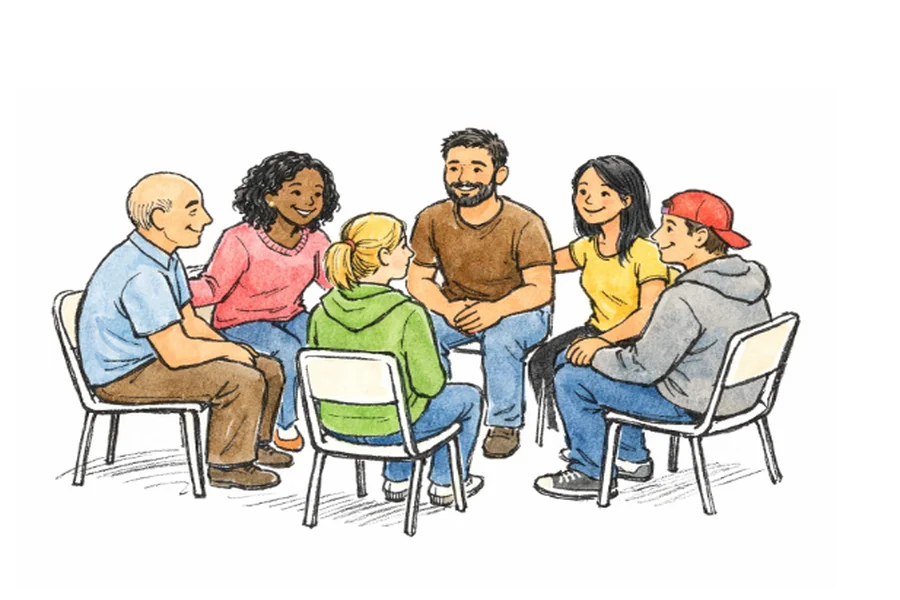
Having a robust support network is central to recovery. Connecting with others who have similar experiences reduces isolation and encourages accountability. Participation in support groups, whether in person or online, fosters a sense of belonging that can be vital when challenges arise. Community involvement, as seen in resources like the Building Resilience Conference, demonstrates that shared experiences and cooperation can strengthen resilience for everyone involved.
Family and friends also play a pivotal role in the recovery process. By engaging loved ones in honest conversations and including them in milestones, individuals reinforce trust and grow together through recovery. Some may even discover opportunities to mentor others, which not only benefits those receiving guidance but also brings a sense of purpose and achievement.
Incorporating Mindfulness and Stress Management
Mindfulness involves focusing attention on the present moment without judgment. Simple practices such as meditation, conscious breathing, and body scanning can lessen stress, help regulate emotions, and disrupt the cycle of negative thoughts. Regular mindfulness exercises have been shown to improve mental health outcomes—not only in recovery, but also for the general population (American Psychological Association).
Many individuals benefit from integrating relaxation techniques such as yoga, progressive muscle relaxation, or guided imagery into their daily routines. These approaches naturally lower cortisol levels and help retrain the body’s response to stress, making it easier to remain composed during unexpected situations.
Setting Realistic Goals and Celebrating Progress
Goals act as guideposts during recovery. These goals need to be realistic and achievable. Instead of setting vague intentions, create specific, measurable objectives such as attending weekly meetings or practicing mindfulness for ten minutes each day. Each small victory is a powerful motivator. Take time to celebrate milestones, no matter how modest. They signify meaningful progress toward long-term change.
Rewarding yourself for consistency and persistence establishes a cycle of positive reinforcement. Whether it’s a special treat, time spent on a favorite hobby, or a simple acknowledgment from a loved one, these moments sustain motivation and highlight how far you’ve come. Over time, accumulating achievements, both big and small, builds an empowering track record of success.
Leveraging Professional Resources
Professional guidance and educational opportunities can make a significant impact during recovery. Therapy, medical care, and specialized programs offer evidence-based tools that support resilience. Recommendations for building resilience and recovery strategies, like those detailed by the Building Resilience Conference, show that expert input can clarify the recovery process and encourage effective rebuilding after setbacks.
Some individuals may also benefit from holistic services, such as nutrition counseling, exercise physiology, or trauma-informed yoga, that address both mind and body. Being open to various forms of support can uncover new tools that resonate personally, making your recovery journey even more robust and resilient.
Overcoming Common Challenges in Recovery
Throughout the recovery journey, individuals often face triggers, cravings, and emotional lows. Recognizing these common hurdles and preparing for them allows for more successful navigation. Relying on established coping mechanisms, proactive self-care, and drawing strength from your network and treatment team can turn obstacles into opportunities for growth. Understanding and addressing the root causes of vulnerability plays a crucial role in relapse prevention.
It’s important to remember that setbacks are temporary and progress is rarely linear. Practicing self-forgiveness, reviewing what contributed to each setback, and recommitting to your plan are essential steps in building resilience. Resources like helplines or crisis intervention teams are available during particularly difficult moments, ensuring that no one has to navigate challenging times alone.
Conclusion
Resilience is at the heart of a lasting recovery. By embracing practical strategies, fostering community connections, and making use of professional guidance, individuals in recovery can move through adversity with greater confidence and hope. Each act of resilience—no matter how small—lays the foundation for a fulfilling, sober life dedicated to ongoing growth and positive change.
Ultimately, resilience is not a fixed trait, but a set of skills and attitudes that can be learned, practiced, and strengthened. With time, persistence, and the right support, anyone in recovery can build the resilience needed to overcome daily challenges and create a brighter, more stable future. Let every step forward be a reminder of your capability, courage, and commitment to a healthier, more empowered life.