
Gold IRA Costs, Storage, Eligible Metals, Rollovers, and Tax Rules
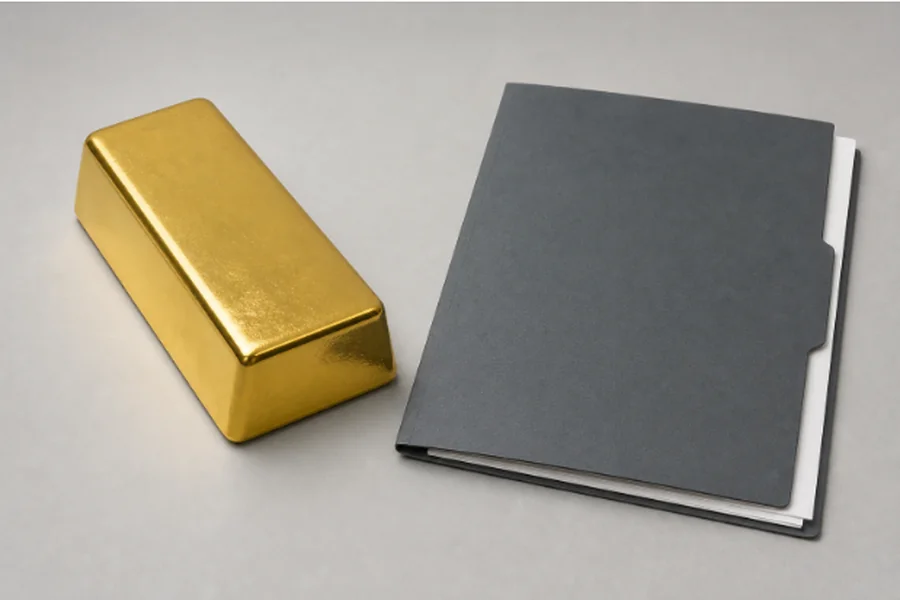
A Gold IRA is a self-directed individual retirement account that can hold certain physical precious metals. It may appeal to retirement savers who want a tangible asset in part of their portfolio. Still, it also introduces custody, storage, pricing, and tax considerations that do not apply to a typical brokerage IRA.
Some investors begin by comparing providers such as Preserve Gold, but a useful comparison goes beyond promotional claims. Before moving retirement money, understand the total fees, who controls the assets, what products qualify, and how selling or taking distributions may work later.
What a Gold IRA Does
A Gold IRA is a self-directed IRA that holds approved bullion or coins rather than only stocks, funds, and bonds. The account owner makes investment decisions; the custodian administers the IRA and handles reporting; a dealer supplies the metals; and a depository stores them. For example, someone leaving a job might transfer part of an old 401(k) into a new self-directed IRA, then direct the custodian to purchase qualifying gold. The investor should not take personal possession of the metal while it remains an IRA asset.
The Main Gold IRA Fees to Review
Low advertised fees can conceal the higher cost of owning physical metals. Request a complete written fee schedule before opening an account, including one-time setup charges, annual custodian fees, storage and insurance charges, wire or shipping costs, transaction fees, and account-closing or transfer-out fees.
Do Not Ignore Premiums and Spreads
The spot price is only the market reference price for raw metal. Investors usually pay a dealer premium when buying and may receive less than spot when selling. Two accounts with the same balance can produce very different results if one uses lower annual storage costs and a narrower dealer spread. Ask for the exact product price, the estimated buyback price, and all charges that apply to the liquidation.
How Storage and Custody Work
The custodian handles the retirement account, while the depository holds the physical metal. In commingled storage, metals are stored with similar holdings belonging to other customers. In segregated storage, specific bars or coins are separately identified for the account. Segregated storage may cost more, while commingled storage can be less expensive. Either way, review insurance, inventory records, withdrawal procedures, and the depository’s relationship with the custodian. The IRA distribution rules are also important because assets must be properly handled when they leave the account.
Which Metals May Qualify
Not every gold coin, bar, or collectible can be purchased inside an IRA. Qualifying gold bullion generally must meet a minimum fineness standard of 99.5 percent, although certain government-issued coins receive special treatment. Silver, platinum, and palladium may also qualify when they meet applicable standards.
Highly promoted collectible, rare, or specialty coins can carry large markups and may be harder to sell. Before buying, ask the custodian to confirm eligibility in writing, request the product’s weight and purity, compare the quote with spot pricing, and ask how the dealer calculates its buyback offer.
How Transfers and Rollovers Work
- Select a custodian that administers self-directed IRAs.
- Open and fund the new account through the proper paperwork.
- Request a direct transfer from an existing IRA or a rollover from an eligible plan.
- Wait until funds arrive with the new custodian before selecting metals.
- Confirm that the purchased metals are sent to an approved depository.
- Review statements, invoices, and storage records after the transaction.
A direct transfer moves funds between financial institutions without the account owner handling the money. An indirect rollover sends funds to the individual first and can involve strict deadlines, withholding, and potential tax consequences. Confirm the available method with the plan administrator and a qualified tax professional before initiating a large retirement account transfer.
Withdrawal and Tax Rules
Gold IRA withdrawals generally follow the rules of the underlying IRA type. A traditional IRA distribution is generally taxable as ordinary income, and an early distribution may trigger an additional tax unless an exception applies. Roth IRA treatment depends on factors such as the account’s holding period and whether the distribution is qualified.
At retirement, an investor may sell metals in the account and withdraw cash, or take an in-kind distribution of the metals. When metals are withdrawn from an IRA, their high annual costs, expensive coins, or a wide gap between the purchase and resale price may offset a free promotion planning, particularly if the account holds metals that must be sold or distributed to meet the required amount.
Red Flags to Watch For
Be cautious with promises of guaranteed returns, risk-free growth, short-lived “free rollover” offers, or pressure to act immediately. A free promotion may be offset by high annual costs, expensive coins, or a wide gap between the purchase and resale price. The questions to ask before buying physical metals emphasize reviewing fees, spreads, storage arrangements, and the salesperson’s role.
Other warning signs include vague answers about the custodian or depository, requests to send retirement money directly to a salesperson, and claims that home storage is automatically IRA-compliant. Slow down, obtain written documents, and independently verify the parties involved.
A Simple Comparison Checklist
- Custodian: Confirm its legal name, services, reporting process, and annual administration fee.
- Storage: Identify the depository, insurance coverage, and whether storage is commingled or segregated.
- Total cost: List setup, annual, storage, transaction, shipping, and closing charges.
- Products: Verify metal type, purity, weight, and IRA eligibility before ordering.
- Liquidity: Ask how sales work, how prices are set, and when proceeds become available.
- Guidance: Distinguish educational sales material from individualized tax or investment advice.
Final Thoughts
A Gold IRA is a retirement account with additional operational details, not simply a purchase of gold. Reviewing costs, custody, product eligibility, liquidity, and tax treatment can help investors decide whether physical metals fit their broader retirement goals.