
How to Identify Equivalent Tyre Sizes for Your Car
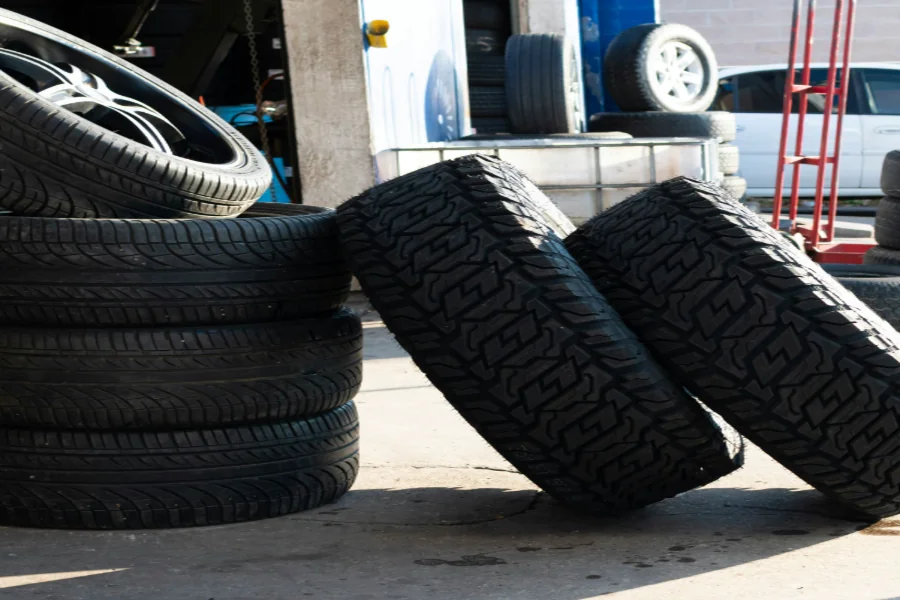
A driver walks into a fitting bay expecting a straightforward swap, only to be told the original size is out of stock and will not be back in for weeks. The natural next question, whether a slightly different size will actually work, is one that trips up even experienced drivers, because the answer depends on more than just the tyre looking roughly the same shape.
Finding a genuinely equivalent tyre size is not about guesswork or picking whatever is closest on the shelf. It follows a fairly consistent method once the underlying numbers are understood, and knowing that method turns a stressful decision at the counter into a quick, confident one.
The need for an equivalent size comes up more often than most drivers expect. A discontinued size on an older car, a seasonal swap to winter tyres that come in slightly different dimensions, a set of alloy wheels bought secondhand with different tyres already fitted, or simply a better price on a size that is a step away from the original can all put a driver in the position of needing to compare two codes rather than one.
Understanding What “Equivalent” Actually Means
Every tyre size code describes three physical dimensions at once: width in millimetres, aspect ratio as a percentage of that width, and rim diameter in inches. Two tyres can look similar on paper and still produce a noticeably different overall diameter once those numbers are combined, which is the figure that actually determines whether a size counts as a true equivalent.
Overall diameter, sometimes called rolling diameter, is the total height of the tyre once mounted, and it is the single most important figure when comparing an alternative against the original. A tyre with the correct overall diameter will rotate at close to the same rate per mile as the original, keeping speedometer readings accurate and preserving the gearing the manufacturer engineered the car around.
Most tyre professionals work within an accepted tolerance of around three percent difference in overall diameter when suggesting an alternative size, since deviations within that range generally do not produce a noticeable change in handling, ground clearance, or speedometer accuracy. TyreSafe’s frequently asked questions on tyre safety note that changing tyre size away from the manufacturer’s recommendation should always be approached carefully, since even seemingly small differences can affect a vehicle’s handling characteristics and, in some cases, its roadworthiness.
Load index and speed rating are the other half of the equation, and they do not follow the same percentage logic as physical size. An equivalent tyre needs a load index and speed rating that meet or exceed the original specification, not simply come close to it, since these figures represent hard limits rather than a range with acceptable tolerance either way.
A quick example helps illustrate why the math matters. A tyre marked 205/55R16 has a sidewall height equal to 55 percent of its 205 millimetre width, roughly 113 millimetres, added to the 16 inch rim diameter on both sides. Swapping to a size with a lower profile but a wider width, such as 225/45R17, can land close to the same overall diameter despite looking quite different on the box, which is exactly the kind of comparison a percentage-based check is designed to catch.
The Practical Steps to Finding a Safe Equivalent

The first step is always the vehicle handbook, not a search engine. Many manufacturers list one or more approved alternative sizes for a given model, particularly where different trim levels shipped with different wheel diameters from the factory, and an approved alternative removes most of the guesswork immediately.
When no approved alternative is listed, or when a driver wants to compare a size beyond what the handbook mentions, the next step is comparing overall diameter directly. Rather than working through that calculation by hand, most drivers today rely on a dedicated comparison tool. Learning how to identify equivalent tyre sizes for your car often comes down to entering the original size and a proposed alternative into a calculator built specifically for the purpose, one that compares overall diameter and rolling circumference automatically and flags whether the difference falls inside or outside the generally accepted tolerance.
Checking load index and speed rating comes next, and it is a step that is easy to skip when a calculator has already confirmed the physical dimensions look close. A tyre can pass the diameter comparison comfortably and still fall short on load capacity or maximum speed rating, particularly on used or budget tyres pulled from unrelated vehicle applications, so this figure deserves its own separate check rather than an assumption that it will match.
Confirming the choice is road legal matters just as much as confirming it is safe. In the UK, the official MOT inspection manual sets out that tyres must be an appropriate size and type for the vehicle and correctly fitted, and an examiner can fail a car over a mismatch that a driver assumed was close enough. Passing a visual glance is not the same as passing an inspection built around specific measurable standards.
A final, often overlooked step is checking all four tyres together rather than just the one being replaced. The National Highway Traffic Safety Administration’s guidance on tyre safety points out that mismatched sizes across an axle, even within an otherwise acceptable tolerance individually, can create uneven handling under hard braking. A single replacement that is technically equivalent to the original spec can still cause problems if the other three tyres on the car are a different size or significantly more worn.
Conclusion: A Method, Not a Guess
Identifying a genuinely equivalent tyre size comes down to a short, repeatable process rather than trial and error. Starting with the manufacturer’s approved alternatives, comparing overall diameter within an accepted tolerance, confirming load index and speed rating meet or exceed the original, and checking legal and axle-matching requirements together cover the areas where a mismatch actually causes problems.
None of these steps take long once a driver knows what to look for, and skipping them is rarely obvious until months later, in a worn steering wheel feel, a stubborn warning light, or a failed inspection. Taking the extra few minutes at the point of purchase remains the simplest way to make sure a replacement tyre performs exactly the way the original was designed to, mile after mile.
In short, an equivalent tyre size is not the one that looks close enough on a shelf label, it is the one that has been checked against the original on diameter, load, speed rating, and legal compliance, in that order. Building that short habit into every tyre purchase, rather than relying on a fitter’s quick glance, is what keeps a car handling, braking, and reading its own speed the way it was built to.