
How Organic Coffee Supports Better Farming Practices
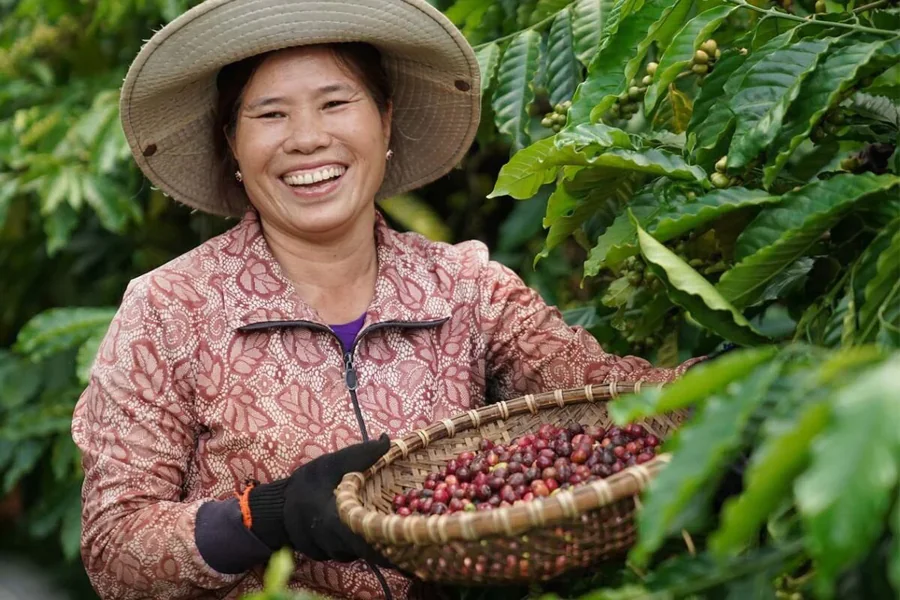
When shopping for coffee, you’ve likely seen the USDA Organic label on some of your options, but what does that actually mean?
Coffee that is labeled USDA Organic has been produced according to standards that prohibit the use of certain substances, like synthetic pesticides and other harmful agrochemicals. This means that the coffee that ends up in your cup is not only free of these prohibited substances but also supports healthier ways of growing coffee that protect the land and the communities around it.
To learn more about how organic, regenerative coffee farming helps build more resilient farms and a more sustainable coffee industry, continue reading.
What Does Organic Coffee Actually Mean?
The term organic gets thrown around a lot as a general sustainability term. This can make it a bit confusing as to what it actually means, especially since some products claim to be organic but don’t provide any information beyond this.
When a product includes the USDA Organic certification label on its packaging, it’s a lot easier to investigate what this actually means. That’s because to be certified, products have to meet specific standards set and enforced by the U.S. Department of Agriculture.
If you see a USDA Organic certification label on your coffee’s packaging, this means it was grown according to USDA organic standards, which restrict the use of certain synthetic pesticides, herbicides, and fertilizers. Farms must also be free of these chemicals for at least three years before being certified organic. The responsibility extends beyond the farms, with processing, roasting, and other operations also having to meet USDA standards.
The USDA is meticulous about these processes, so it can take some farms years to get certified. They also conduct yearly inspections to ensure certified farms are still compliant with their standards.
Organic Coffee Farming Starts With Healthier Soil
Soil health is fundamental for coffee farming because it ensures coffee plants stay healthy and resilient, especially in the face of climate change. Healthy soil ensures plants get the nutrients they need to grow and develop properly while also being more effective at retaining water.
While it can be easier to use synthetic chemicals to care for coffee plants, these can cause more damage to long-term soil health. Instead, organic producers rely on practices that build and maintain soil fertility naturally, such as:
- Composting
- Nutrient cycling
- Cover crops
- Natural fertilizers
Healthier soil makes a huge difference in coffee production, allowing coffee cherries to mature properly while developing more nuanced flavors. In the long term, it also helps coffee farms stay more resilient and have a longer future.
Organic Farming Reduces Reliance on Synthetic Chemicals
Conventional coffee production relies on harmful agrochemicals to achieve larger yields in less time without paying attention to how these chemicals affect not only coffee plants, but also the soil, water systems, farmers, and surrounding communities.
Chemicals are often sprayed directly onto coffee plants, exposing coffee plants and farmers to these chemicals directly. These chemicals also work their way into the soil and often end up in water sources as a result of runoff. This leaves entire communities dealing with the effects of these chemicals ending up in their environment.
Organic standards restrict many synthetic pesticides, herbicides, and fertilizers, reducing reliance on these inputs. The focus is instead on producing quality organic coffee that is free of harmful chemicals while protecting consumers, farmers, and the environment from the potential side effects of these agrochemicals.
Organic Coffee Farms Can Support Biodiversity
Coffee farms aren’t isolated spaces. They’re part of larger ecosystems, and the farming practices used to grow coffee impact that ecosystem. That’s why it’s important to maintain farming practices that contribute to healthier environments rather than exploit them.
Eliminating harmful agrochemicals from coffee farms helps maintain healthier ecosystems, while organic, regenerative farming practices contribute to building these ecosystems.
In fact, organic, regenerative coffee farms grow more than just coffee. You’ll often see associated crops, trees for natural canopies, and cover crops all being grown alongside coffee trees. These additional crops help improve soil health while also creating ideal growing conditions for coffee plants. They also support more diverse ecosystems that contribute to natural pest management and overall farm resilience.
Organic and Regenerative Farming Can Work Together
Organic farming and receiving organic certification are a great foundation for more sustainable and resilient coffee farming, but using regenerative farming practices goes a step further by giving back to the land and leaving it better than it started.
Regenerative farming is a holistic agricultural approach that focuses on improving soil health, strengthening the surrounding ecosystems, and supporting the people who depend on the land.
Practices like composting, terracing, cover crops, and crop diversification help rebuild soil and restore nutrients, keeping the soil fertile and healthy, even with changing environmental conditions. These practices also help strengthen surrounding ecosystems, which also aid in creating more resilient farms.
The benefits extend to farming communities, too. Reducing reliance on certain synthetic chemicals can reduce potential exposure for farmers and their communities, while associated crops and crop diversification provide additional sources of food and income. Diversification also means farmers aren’t entirely dependent on coffee when crops are affected by pests, disease, or other challenges.
Choosing Organic Coffee Can Support a Better Way of Farming
Choosing certified organic coffee helps support this agricultural approach and gives consumers more clarity into how their coffee is grown, processed, and roasted before it ends up in their cup.
While organic coffee is a great start, choosing organic regenerative coffee allows consumers to support an agricultural approach that aligns with their values and gives back to the land.
Final Thoughts
Many people assume an organic certification on their coffee means it will taste better or be higher quality. In reality, organic certification tells you how the coffee was grown and the standards followed during production, not how it will taste.
Instead of blindly trusting any mention of organic, do your research. Look for recognized certification and brands that are transparent about where their coffee comes from and how it’s produced. This can give you greater confidence in both what you’re consuming and the farming practices you’re supporting.