
Should You Fertilize Your Lawn in the Fall?
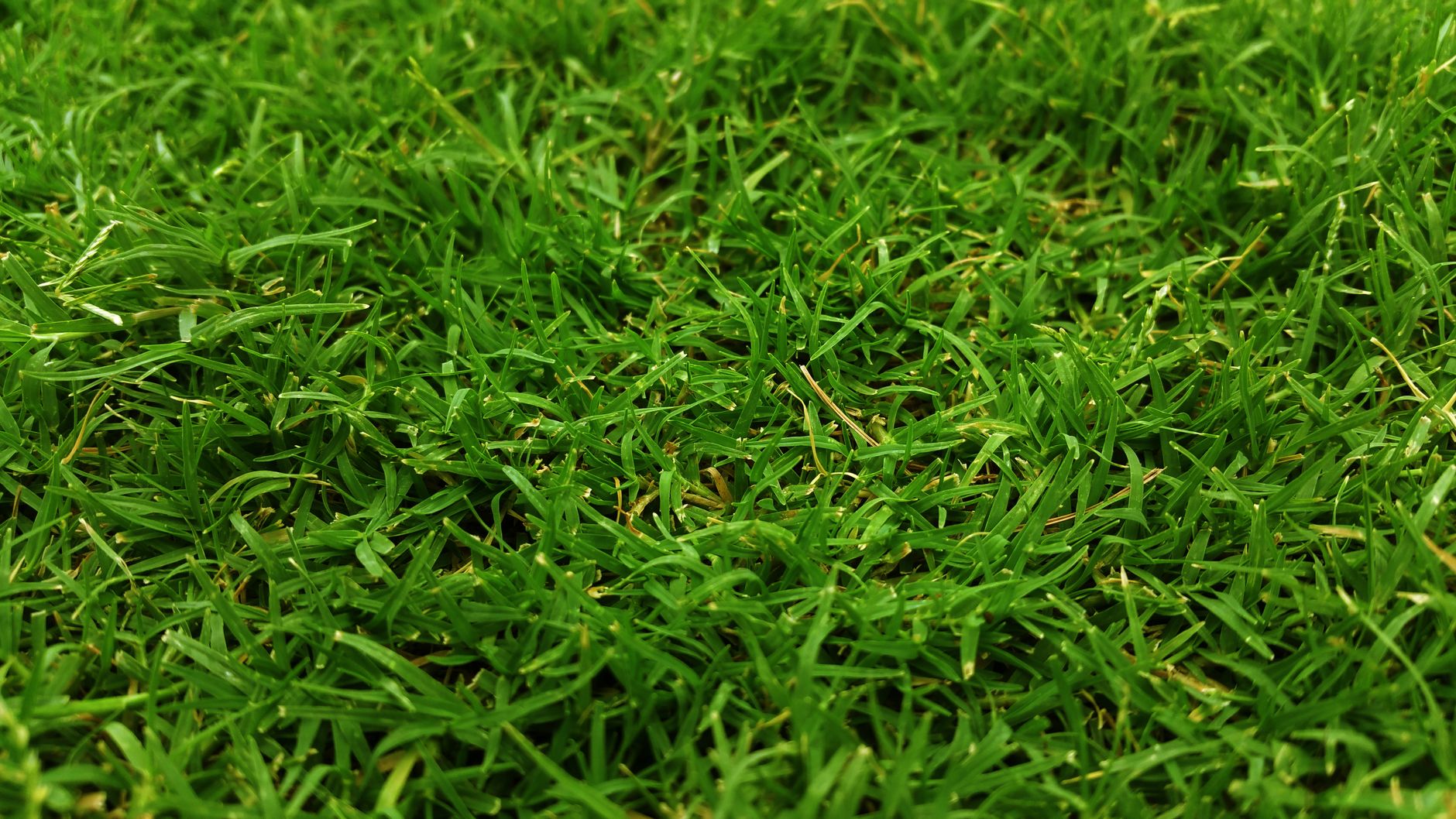
Fall is one of the most valuable times to fertilize a lawn. After summer heat, foot traffic, and dry spells, grass often needs nutrients to rebuild strength. A well-timed fall feeding supports root growth, improves color, and helps turf prepare for winter dormancy.
For many lawns, fall fertilizer is more important than spring fertilizer. Spring feeding encourages top growth, while fall feeding focuses on the root system. Strong roots help grass recover faster and grow more evenly when temperatures warm again.
Why Fall Fertilizing Matters
Grass continues growing below the surface even when visible blade growth slows. During cool fall weather, roots actively absorb nutrients. This makes fertilizer especially effective, because the lawn can store energy before colder conditions arrive.
Many practical landscaping ideas include seasonal lawn care because healthy turf improves the entire outdoor space. Fertilizing in fall can reduce patchiness, support thicker growth, and make the lawn more resilient against weeds.
When to Fertilize in the Fall
The best timing depends on weather, grass type, and soil conditions. In many regions, early to mid-fall is ideal, when daytime temperatures are cooler but the soil is still warm enough for root activity.
A common approach is to fertilize after the stress of summer has passed, but before the ground becomes cold or frozen. Applying fertilizer too late may limit nutrient uptake. Applying too early may encourage excessive blade growth during warm weather.
Signs Your Lawn May Benefit
- Grass looks pale, thin, or tired after summer
- Bare patches are starting to spread
- The lawn has heavy foot traffic
- Weeds are filling weak areas
- Growth has slowed but soil is still workable
Choosing the Right Fertilizer
A fall lawn fertilizer often contains nitrogen for recovery and potassium for stress tolerance. Nitrogen helps restore color and density. Potassium supports root strength and improves the lawn’s ability to handle cold, drought, and disease pressure.
Slow-release formulas are often preferred because they feed the lawn gradually. Quick-release products can be useful in some situations, but they require careful application. Too much fertilizer can burn grass, waste nutrients, and contribute to runoff.
Soil testing can help identify what the lawn actually needs. Without testing, it is easy to overapply nutrients that are already present. A balanced approach protects both the lawn and surrounding planting areas.
How to Apply Fall Fertilizer Properly
Good application matters as much as choosing the right product. Fertilizer should be spread evenly with a properly calibrated spreader. Uneven coverage can create stripes, dark patches, or weak areas where nutrients were missed.
- Mow the lawn before applying, but avoid cutting it too short
- Remove leaves so fertilizer reaches the soil surface
- Apply when grass is dry unless the product label says otherwise
- Water lightly after application if rainfall is not expected
- Keep fertilizer away from hard surfaces and drainage areas
Reading the label is essential. Rates vary by product, lawn size, and nutrient concentration. More fertilizer does not mean better results. Careful measuring usually produces healthier growth than guessing.
Common Fall Fertilizing Mistakes
One mistake is fertilizing a stressed lawn during drought without enough moisture. Grass needs water to use nutrients properly. Another mistake is applying fertilizer right before heavy rain, which can wash nutrients away before they benefit the soil.
Some homeowners also skip leaf cleanup. Thick leaves block sunlight, trap moisture, and prevent fertilizer from reaching the lawn. Regular raking or mulching helps keep turf healthier through the season.
Many landscaping companies consider fall lawn care part of a broader seasonal plan. Fertilizing works best when paired with proper mowing, aeration when needed, overseeding thin areas, and consistent debris removal.
Fall Lawn Care Beyond Fertilizer
Fertilizer is helpful, but it is not the only factor in lawn health. Cool-season care often includes aerating compacted soil, overseeding bare spots, and adjusting mowing height as growth slows.
Watering still matters in fall if rainfall is limited. Grass should not enter winter extremely dry. Deep, occasional watering supports root development better than frequent shallow watering.
Simple landscaping ideas, such as edging beds, clearing leaves, and improving drainage, can also support a healthier lawn. A cleaner, better-drained yard reduces stress on turf and creates a tidier seasonal appearance.
A Practical Fall Fertilizing Plan
In most cases, fall fertilizing is a smart choice when the lawn is actively recovering and soil temperatures remain suitable. The goal is not rapid visible growth, but stronger roots and better stored energy.
A thoughtful fall application can help the lawn return greener, thicker, and healthier in spring. With correct timing, measured application, and steady maintenance, fall fertilizer becomes a practical investment in long-term turf health.