
How to Plan a Successful Corporate Event in Los Angeles
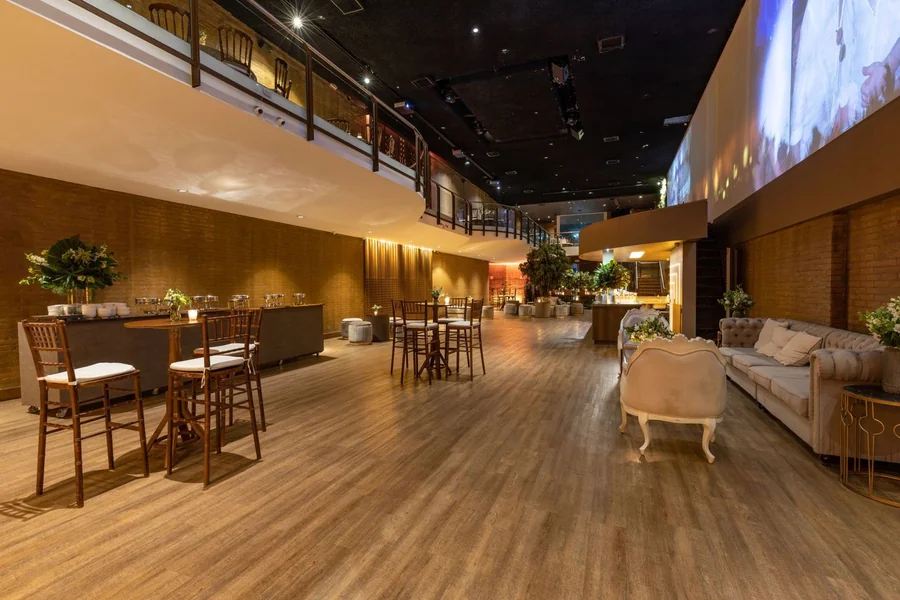
When you start organizing your event, it helps to think about the experience from your guests’ point of view. Everything from the room they walk into to the sound they hear and the food they are served can shape their overall impression. If you give attention to both the main features and the smaller details, you can create an event that feels comfortable, engaging and well organized.
Think About Sight and Sound First
One of the first things you should consider is how your event will look and sound. These are two of the main senses people rely on throughout a corporate event, so getting them right can have a noticeable effect on the experience.
You should think carefully about the visual side of your event. You need to make sure that the stage looks great and is easy to see. Consider the branding you’ll have on the screen and what this will look like. You also have to put some thought into whether everyone will be able to see the presentation from all angles and what kind of lighting you will use. The same applies to audio. If someone is speaking to your guests, you need their voice to reach the entire room clearly. Music, videos, presentations and other elements also need to sound as they should.
A creative visual and audio presentation can do much more than simply make your event look professional. There are plenty of small cues happening around your guests that they may not consciously notice. Lighting, sound levels, screen design, transitions, room layout and even the pace of a presentation can all influence the way people take in what is happening. That is why audio visual services Los Angeles can be a useful part of your planning. An experienced company can help you choose the right equipment and create a setup that suits your venue, audience and event.
Pick a Venue That Suits Your Group
Your venue is going to shape much of the event, so take your time when choosing it. You need a space that fits the number of people attending while also giving you enough flexibility for everything you have planned.
Think about how your guests will actually use the room. Think about questions like this:
1.Will they spend most of the day sitting and listening to speakers?
2. Will you need space for networking?
3. Are you planning demonstrations, presentations, meals or informal conversations?
The layout can make a surprisingly big difference. You want people to feel comfortable without having everyone spread so far apart that the room loses its sense of connection.
You should also pay attention to acoustics. A venue can look fantastic but still be less suitable for presentations if sound travels poorly around the room. Large open spaces, hard surfaces, high ceilings and unusual layouts can all affect the way voices and music carry.
If you can, visit the venue before you book it. Stand in different areas of the room and imagine what the event will feel like from those positions.
Location is another important factor. Los Angeles is a large city, so consider how convenient your chosen venue will be for your guests. Think about parking, transportation, nearby hotels and how easily people can reach the location.
Decide What You Can Delegate
You do not need to organize every single part of the event yourself. In fact, knowing when to bring in outside support can make the whole process much easier.
Start by writing down everything that needs to happen before and during the event. You may have tasks involving the venue, guest lists, catering, speakers, presentations, entertainment, registration, scheduling and technical equipment.
Once you have everything in front of you, decide which jobs you are comfortable handling and which ones would be better managed by specialists.
Audio and visual production is a good example. Rather than spending hours trying to work out what equipment you need, how to arrange it and how everything should operate on the day, you can bring in a company that handles those details for you.
This can also give you more time to focus on your guests. You can spend your attention welcoming people, speaking with clients, checking that speakers are ready and making sure the event runs according to your schedule.
Give Attention to the Softer Details
Once you have sorted out the venue and technical requirements, do not forget about the details that make people feel comfortable.
Food is an obvious place to start. Think about what style of catering will suit your event. Depending on the occasion, you might want a sit-down meal, buffet, food stations or something more informal. Drinks deserve some thought as well. Make sure guests can easily find refreshments throughout the event rather than having to wait for one specific break.
Then look at seating. If people are going to spend several hours in the same room, comfortable chairs and enough space can make a real difference. You should also consider the room temperature and lighting, as well as whether guests have somewhere to step away for a conversation or short break.
Service is another part of the experience that you should not overlook. Having staff available to greet guests, answer questions, direct people around the venue and assist with refreshments can make the day feel much more organized.
Make Everything Work Together
Once you have considered each part of the event individually, look at the experience as a whole. Thinking through the event from start to finish can help you notice details that might otherwise be missed.
You should also make sure everyone involved knows the schedule. Your venue team, catering staff, speakers, audiovisual company and other suppliers should understand when they need to be ready and what is expected from them.
When you take the time to think about the experience from your guests’ perspective, each decision becomes easier to make. You can then create an event that feels professional without becoming overly complicated, giving your guests a comfortable setting where they can connect, listen, participate and enjoy the occasion.