
What Does Commercial Playground Equipment Cost in Canada?
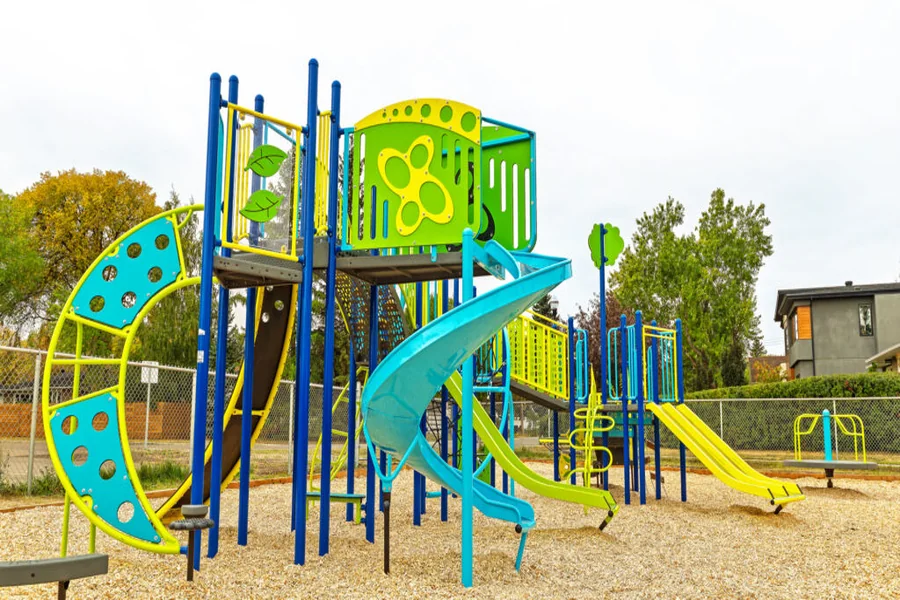
Commercial playground equipment costs in Canada can vary widely because every site has different needs, users, soil conditions, access, and safety requirements. A simple play space may cost far less than a destination playground with inclusive features, shade, surfacing, site work, and water play elements.
For planning purposes, many commercial playground projects fall between modest five-figure budgets and larger six-figure investments. The equipment itself is only one part of the total cost. Installation, surfacing, freight, drainage, permits, and site preparation can significantly affect the final budget.
Typical Cost Ranges for Commercial Playgrounds
A small playground for a daycare, housing complex, or compact public space may start around $25,000 to $60,000. This often includes a limited number of play events, basic climbing, sliding, and safety surfacing for a smaller group of children.
A mid-sized playground commonly ranges from $75,000 to $150,000. These projects may include multiple decks, climbers, slides, sensory panels, accessible routes, and seating areas. This range is common for schools, community spaces, and recreation properties.
Larger destination-style playgrounds may exceed $200,000. These spaces often include inclusive layouts, custom themes, multiple age zones, shade structures, extensive surfacing, and detailed landscaping. Water play areas and splash pads can increase the budget further.
What Affects the Price of Playground Equipment?
The size of the play area is a major factor, but it is not the only one. The number of users, intended age groups, accessibility goals, and long-term maintenance expectations all influence product selection and installation methods.
- Play structure size and height
- Number of slides, climbers, panels, swings, and ground-level activities
- Inclusive and accessible play features
- Protective surfacing type and depth
- Site grading, drainage, and excavation needs
- Freight distance and installation complexity
- Shade, seating, fencing, and surrounding amenities
Surfacing can be a significant cost. Engineered wood fibre is often more affordable upfront, while poured rubber or tiles usually cost more but provide a firm, accessible surface. Each option has different maintenance needs and replacement timelines.
How Water Play Changes the Budget
Water play can add strong recreational value, especially for community spaces with warm-season use. Costs depend on the number of features, water management system, concrete work, drainage, mechanical components, and accessibility requirements.
Planning for spray park equipment should include more than the visible spray features. Budgets should account for water controls, underground services, surfacing, filtration or drainage design, maintenance access, and seasonal winterization needs.
Installation and Site Preparation Costs
Installation may represent a substantial share of the total project. A clear, level site with easy access is generally less expensive to build on than a sloped, restricted, or heavily landscaped site. Soil conditions can also affect footing depth and drainage work.
Existing asphalt, old playground equipment, tree roots, poor drainage, or limited equipment access may add costs. Early site review helps reduce surprises and supports better budgeting before final equipment choices are made.
Budgeting for Safety and Accessibility
Commercial playgrounds must be planned with recognized safety practices in mind. This includes fall zones, age-appropriate equipment, proper spacing, suitable surfacing, and safe circulation around active play areas.
Accessibility is also an important budget consideration. Ground-level play activities, transfer points, ramps, firm surfacing, sensory panels, and quiet spaces can help create a more welcoming play environment for children with different abilities.
Using Grants and Phased Planning
Funding can make a major difference for schools, community groups, and public recreation spaces. Many projects combine capital budgets, fundraising, sponsorships, and playground equipment grants to reach a practical project scope.
Phasing is another useful strategy. A project may begin with core play equipment and surfacing, then add shade, seating, fencing, sensory elements, or water play later. A phased plan should still consider the full site layout from the beginning.
Planning a Realistic Project Budget
A realistic playground budget should include equipment, freight, installation, surfacing, site preparation, inspections, contingency funds, and ongoing maintenance. A contingency of 10 to 15 percent is often helpful for unexpected site conditions or material changes.
The best budget is based on how the space will be used. Age range, daily capacity, accessibility priorities, supervision needs, and seasonal use should guide decisions. With careful planning, commercial playground equipment can provide long-term value, durable performance, and meaningful play opportunities.