
From Pillows to Mattresses: Building the Perfect Sleep Setup
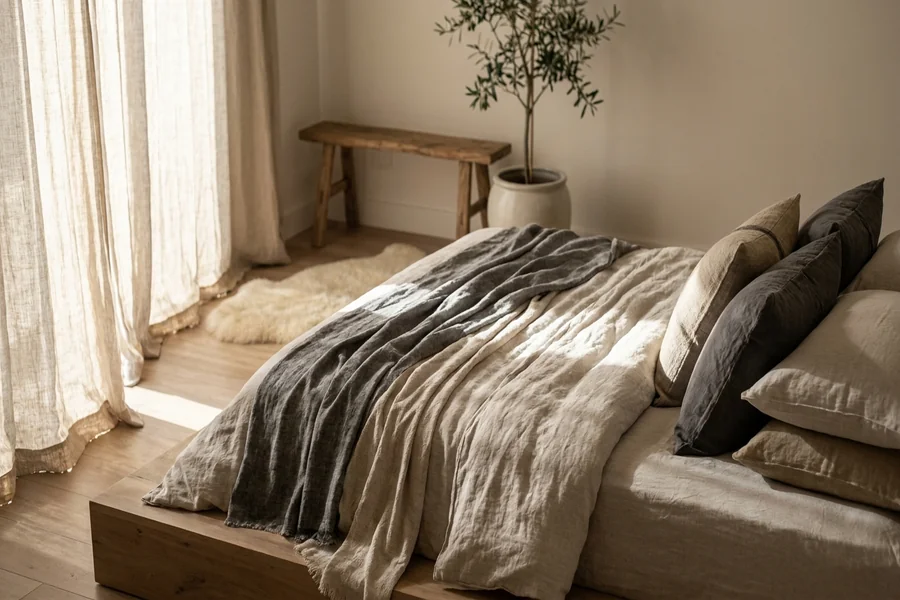
The modern bedroom is the ultimate sanctuary—a space where aesthetic beauty must perfectly align with ergonomic function. Whether you are redesigning a sun-drenched loft or curating a cozy suburban retreat, it is common to scour the internet for lifestyle advice and ideas to elevate your living spaces. However, the bedroom demands more than just visual inspiration; it requires a highly scientific approach to comfort. A beautifully styled bed, layered with textured throws and decorative shams, is ultimately useless if it fails to facilitate restorative, deep sleep. Building the perfect sleep setup is a layered, intentional process. It moves from the foundational mattress core, up through the cervical support of your pillows, and finishes with the thermoregulating textiles that touch your skin. True luxury is not just about how a room looks—it is about how it helps you recover.
The Foundation: Decoding Mattress Cores and Comfort Layers
A premium sleep setup is not achieved by accident; it is engineered. To build a bed that serves both your spine and your design sensibilities, you must first understand the anatomy of a modern luxury mattress. Every high-quality bed is divided into two distinct sections: the support core, which dictates durability and spinal alignment, and the comfort layer, which provides immediate pressure relief.
The Science of Support Materials
Gone are the days of squeaky, interconnected innersprings. Today’s gold standard for the support core is the pocketed coil system. Utilizing individually wrapped coils—typically forged from 14- to 15-gauge steel—these systems provide targeted lumbar support while offering superior motion isolation. If your partner tosses and turns, pocketed coils ensure your side of the bed remains undisturbed.
Above the coils lies the comfort layer, where material science truly shines. For those who prefer a buoyant, responsive feel, latex is unparalleled. Talalay latex is lighter and more breathable, making it ideal for the top layers, while the denser Dunlop latex is often used deeper in the bed for robust support. Both variations are naturally hypoallergenic and sleep significantly cooler than traditional foams. Conversely, if you prefer a deep, contouring “hug” from your bed, memory foam is the material of choice. To counteract memory foam’s notorious tendency to trap body heat, look specifically for open-cell structures or foams infused with copper and cooling gel.
Firmness by Sleep Position
Aesthetic preferences aside, your primary sleep position dictates your ideal firmness level. Side sleepers require a medium-soft to medium firmness (typically a 4 to 6 out of 10 on the firmness scale). This allows the broader points of the body—the shoulders and hips—to sink into the mattress, keeping the spine in a neutral, straight line. Back and stomach sleepers, however, require medium-firm to firm surfaces (a 7 to 8 out of 10). A firmer surface prevents the pelvis from sinking out of alignment, which is the leading cause of morning lower back pain.
Navigating the luxury bedding market can be overwhelming. Ultimately, finding the right mattress requires looking closely at how premium brands engineer their support cores—such as the ongoing industry comparisons between the dual-coil systems of Saatva and the patented memory foam hybrids of Stearns & Foster. Investing time into this foundational choice pays compounding dividends for your daily health.
The Ergonomics of Pillows: Aligning the Cervical Spine
If the mattress supports the body, the pillow is essentially a specialized mattress for your head and neck. Its sole ergonomic purpose is to maintain the natural C-curve of the cervical spine. Choosing a pillow based purely on how plush it feels in the store is a recipe for chronic neck tension.
Understanding Loft
The most critical metric in pillow science is “loft,” which simply refers to the pillow’s height.
1.Side Sleepers: Require a high-loft pillow (4 to 6 inches). The pillow must completely fill the negative space between the point of the shoulder and the ear to prevent the neck from cranking downward.
2. Back Sleepers: Need a medium-loft pillow that supports the natural curvature of the neck without pushing the chin forward into the chest.
3. Stomach Sleepers: Require a remarkably low-loft pillow (1 to 2 inches)—or sometimes no pillow at all—to prevent the neck from hyperextending backward.
Material Selection
The filling of your pillow dictates its longevity and breathability. Shredded latex has emerged as a favorite among ergonomic specialists because it offers adjustable loft (you can add or remove filling) while maintaining exceptional airflow. Solid memory foam offers rigid, reliable contouring but can sleep hot if not properly ventilated. Traditional down and feather blends offer that coveted, luxurious “sink-in” hotel softness, but they lack structural integrity and require constant fluffing to maintain their supportive loft.
Textiles and Thermoregulation: Dressing the Bed
With the ergonomic foundation set, we turn to the tactile surface of the bed. Sleep science dictates that the human body must drop in temperature by 1 to 2 degrees Fahrenheit to initiate and maintain deep REM sleep. Therefore, your bedding should be viewed as a microclimate regulator rather than just a decorative covering.
The Fabric Showdown
1.Percale Cotton: If you are a naturally hot sleeper, percale is your ideal textile. Woven in a tight, one-over-one-under pattern, percale cotton provides a crisp, matte finish that feels remarkably similar to a freshly ironed button-down shirt. It is highly breathable and cool to the touch.
2. French Flax Linen: For a more relaxed, organic aesthetic, French flax linen is unmatched. Linen fibers are hollow, allowing for incredible airflow. It is highly moisture-wicking and acts as a natural insulator—keeping you cool in the sweltering summer and cozy in the dead of winter.
3. Merino Wool: Often hidden beneath the sheets, Merino wool is a secret weapon in luxury bedding. Used in mattress batting or as a plush mattress pad, wool acts as a dynamic microclimate regulator. It wicks away night sweats without ever feeling damp, ensuring your sleep environment remains dry and temperate.
Bedding Material Comparison Matrix
| Material | Weave / Structure | Best For | Aesthetic Vibe | Maintenance Level |
|---|---|---|---|---|
| Percale Cotton | One-over-one-under | Hot sleepers seeking a cool, crisp feel. | Tailored, matte, hotel-like. | Low; softens with every wash. |
| Sateen Cotton | Four-over-one-under | Cool sleepers wanting a silky drape. | Luminous, elegant, smooth. | Medium; prone to minor pilling. |
| French Linen | Woven flax fibers | Year-round use; heavy night sweaters. | Relaxed, earthy, effortlessly chic. | Medium; requires gentle washing. |
| Merino Wool | Spun fleece (Batting) | Temperature regulation beneath sheets. | Hidden structural luxury. | High; often requires dry cleaning. |
Spatial Harmony: Bedroom Styling and Layout Rules
A truly restorative sleep setup extends beyond the perimeter of the mattress. The spatial arrangement of your bedroom plays a massive psychological role in how quickly your brain transitions from wakefulness to rest. Cluttered, cramped spaces elevate cortisol levels, while open, intentional layouts promote calm.
The 36-Inch Rule
Interior designers adhere strictly to the rule of clearance. A well-designed bedroom requires a minimum of 30 to 36 inches of walking clearance around the sides and foot of the bed. This prevents the room from feeling claustrophobic and allows the bed to breathe visually as the focal point of the space.
Grounding the Setup
Rugs anchor the bed and provide a vital tactile transition from the hard floor to the soft mattress. For a standard Queen bed, an 8×10 foot rug is the ideal proportion. It should be placed perpendicular to the bed, sliding under the lower two-thirds of the frame. This placement leaves 18 to 24 inches of soft-landing space on either side and at the foot of the bed, ensuring your first step in the morning is a comforting one.
Sensory Cues and Lighting
Finally, consider your lighting. The harsh blue light emitted by standard bulbs suppresses melatonin production. Bedside lamps should exclusively utilize warm-toned LED bulbs (specifically around the 2700K color temperature mark). This mimics the amber glow of a setting sun, signaling to your circadian rhythm that it is time to wind down.
Frequently Asked Questions
1.How often should I realistically replace my pillows?
While a high-quality mattress can last 7 to 10 years, pillows have a much shorter lifespan. Synthetic and down pillows should be replaced every 1 to 2 years, as they absorb oils and lose their structural loft. Solid or shredded latex pillows are more durable and can last up to 3 to 4 years.\
2. Does a higher thread count mean the sheets will keep you cooler?
No, this is a common misconception. In fact, excessively high thread counts (anything over 600) often require multi-ply threads woven tightly together, which drastically reduces airflow and traps body heat. For cooling, prioritize the weave (like percale) and the material (like linen or long-staple cotton) over an inflated thread count.
3. Can a premium mattress topper fix a sagging bed?
A mattress topper is designed to alter the surface feel of a bed—adding plushness to a firm bed or a touch of support to a soft one. However, a topper will simply contour to the shape of whatever is beneath it. If your mattress support core is sagging, a topper will eventually sag right along with it.
4. What is the best bedding setup for severe night sweats?
Avoid synthetic materials like polyester or microfiber at all costs. Layer your bed with a Merino wool mattress pad (to wick moisture away from the mattress), 100% French flax linen sheets (for maximum airflow), and a lightweight, breathable cotton quilt instead of a heavy down duvet.
Conclusion: The Holistic Approach to Rest
Building the perfect sleep setup is an exercise in holistic design. It requires looking past the superficial aesthetics of decorative throw pillows to understand the profound impact of pocketed coils, cervical alignment, and breathable textiles. A premium mattress, an ergonomically matched pillow, and thermoregulating sheets must work in a synchronized symphony to support your body’s natural recovery processes.
When you approach your bedroom with this blend of scientific rigor and design sensibility, you cease to view your bed as merely a piece of furniture. Instead, it becomes a daily, compounding investment in your physical health, your mental well-being, and the enduring beauty of your home.