
A Hack to Choosing Lifelong Oral Health Care
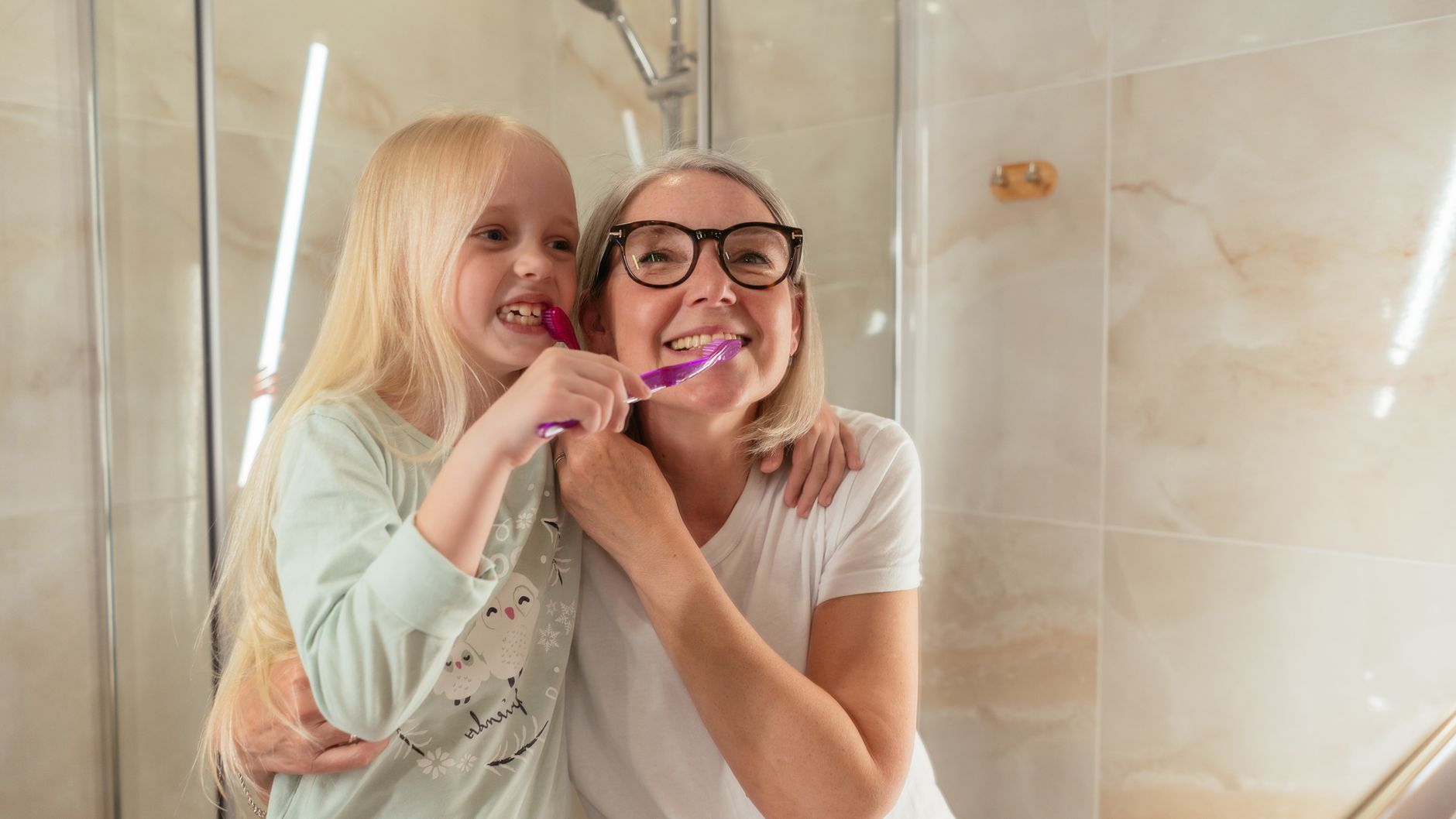
Finding the right dental provider is rarely about locating the office closest to your home. Most people visit a dentist when something hurts, only to realize later that they never established baseline care. That reactive habit creates unnecessary stress, unexpected expenses, and missed opportunities to spot small problems before they require extensive intervention.
Your mouth functions as a complex ecosystem connected directly to systemic health. Gum disease correlates with cardiovascular issues, while untreated bite misalignment can trigger chronic tension headaches. Shifting from reactive emergency visits to consistent preventive checkups fundamentally changes your oral health trajectory.
Knowing what to look for in a practice helps you build a healthcare relationship that keeps your teeth functioning comfortably for decades.
The Pillars of Modern Preventive Treatment
A comprehensive exam covers far more than a five-minute cleaning and a quick check for surface cavities. Quality preventive care relies on diagnostic thoroughness, patient education, and early detection.
When you sit in the exam chair, a clinician should evaluate:
- Periodontal tissue depth to detect early bone loss and pocketing around the roots.
- Soft-tissue surfaces across the tongue, cheeks, and palate for oral cancer screenings.
- Occlusal wear patterns that reveal chronic clenching or nighttime bruxism.
- High-resolution digital imaging that limits radiation exposure while uncovering interproximal decay.
Between visits, home care serves as the first line of defense. Brushing twice a day removes soft plaque, but interdental cleaners reach the tight contact areas where standard bristles fail. Adding an antimicrobial rinse reduces bacterial load along the gumline, preventing localized gingivitis from progressing into irreversible bone loss.
Navigating Multigenerational Care Needs
Different stages of life present entirely different clinical priorities. A single household often balances early childhood tooth development with adult restorative work.
Pediatric dentistry demands a gentle, behavioral approach. Children need positive introductions to cleanings, fluoride applications, and dental sealants that shield deep molars from early decay. Teenagers frequently encounter orthodontic assessments and wisdom tooth evaluations, requiring providers who monitor jaw growth and spacing changes carefully.
Adults face a different set of challenges. Decades-old fillings begin to micro-leak along their margins, enamel thins from dietary acids, and gum recession exposes vulnerable root surfaces. If you live on the Seacoast, consulting an experienced dentist in Rye NH like the professionals at Smiles By The Sea Family Dentistry ensures your family receives individualized treatment plans tailored to every age bracket.
A clinic that handles multiple generations under one roof simplifies appointment coordination while maintaining consistent dental records across your family’s history.
What Advanced Restorative and Cosmetic Care Entails
Even with disciplined hygiene, natural wear, trauma, and genetics can necessitate restorative interventions. When structural issues arise, dental teams turn to advanced materials and techniques to rebuild function and aesthetics.
- Composite and Porcelain Restorations: Modern tooth-colored composites chemically bond to natural enamel, allowing clinicians to preserve more healthy tooth structure than traditional metal amalgam required. Porcelain inlays and onlays handle larger structural defects while matching natural tooth translucency.
- Crowns and Bridgework: Severe fractures or post-root-canal teeth require full-coverage crowns. High-grade zirconia and lithium disilicate materials provide exceptional durability without dark metal borders near the gumline.
- Implant Dentistry: Missing teeth cause alveolar bone to resorb over time, shifting neighboring teeth out of alignment. Titanium and ceramic implants fuse directly with the jawbone, providing freestanding support for single crowns or full-arch prosthetics without compromising adjacent healthy teeth.
Restorative work should never feel like a high-pressure sales pitch. Reputable clinicians show you diagnostic images, outline your clinical options, and explain the longevity of each procedure before starting treatment.
Technology, Comfort, and Managing Dental Anxiety
Fear of the dental chair prevents millions of patients from seeking the care they need. Dental anxiety often stems from painful childhood experiences, sensory sensitivity, or feeling a loss of control during procedures.
Practices that prioritize patient comfort address these concerns through both environmental touches and clinical tools:
- Low-Noise Electric Handpieces: Traditional air-driven drills generate high-pitched whines that trigger anxiety. Electric handpieces run quieter and reduce vibration significantly.
- Digital Impression Scanners: Bulky, gag-inducing impression trays are replaced by small intraoral wands that scan your teeth in seconds, generating 3D models on screen.
- Sedation Options: From mild nitrous oxide analgesia to prescribed oral sedatives, varied sedation levels help anxious patients relax during longer appointments.
If you reside in Upstate New York, scheduling an evaluation with a skilled dentist in saratoga springs, such as the team at Salvatore Dental, gives you access to gentle, patient-centered care paired with advanced clinical diagnostics.
Taking control of your appointments begins with honest communication. Tell your hygienist and dentist about your fears before treatment begins. Establishing a hand signal to pause treatment gives you direct control over your time in the chair.
Making the Decision for Your Family
The right dental office treats you as a partner in your health rather than an insurance claim on a schedule. Take note of how the administrative team answers your billing questions, whether the hygienist takes time to explain flossing angles, and how thoroughly the dentist answers your procedural inquiries.
Commitment to regular preventative appointments eliminates the fear of unexpected dental emergencies. When you choose a practice that emphasizes patient comfort, clinical precision, and open dialogue, maintaining a pain-free, healthy smile becomes a sustainable habit for life.