
Packing for a Snow Trip: A Layer-by-Layer Guide to Staying Warm
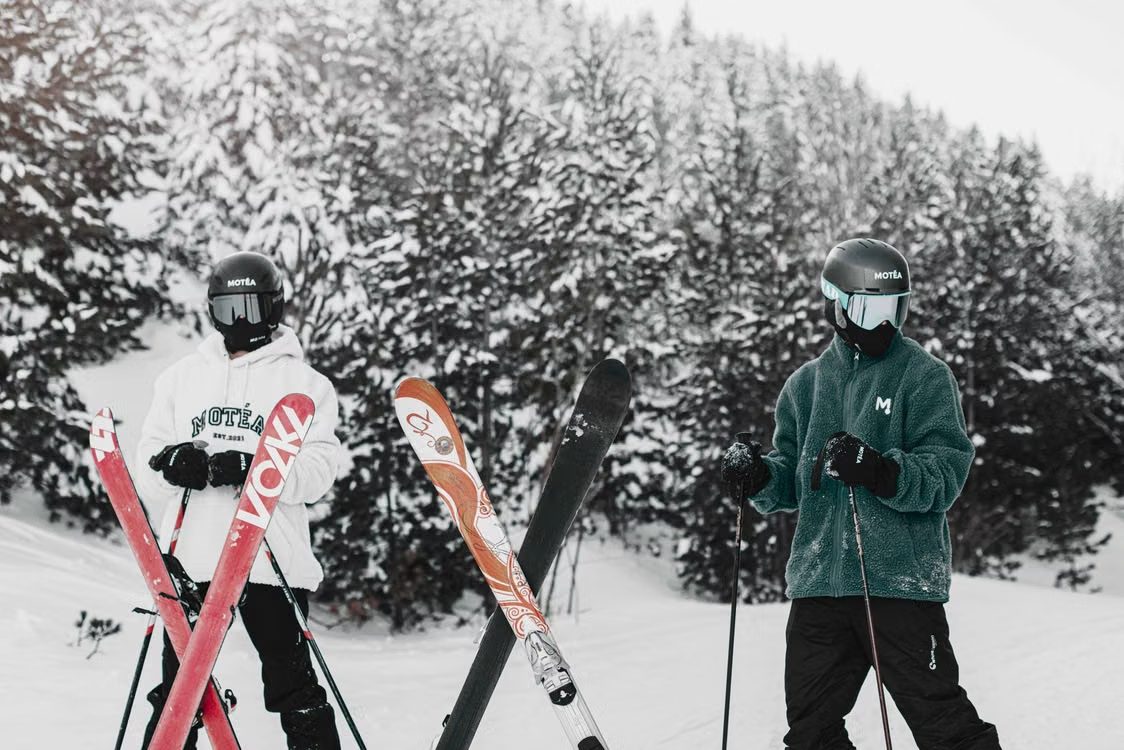
Then you already know how it feels. You spend weeks preparing the ultimate snow vacation… only to spend day one freezing on the chair lift. More people go through it than you think.
And this winter promises to be hectic. U.S. ski areas recorded 61.5 million skier visits this past 2024-25 season, the 2nd highest on record.
Here’s the good news:
Being warm and comfortable in the snow isn’t just tossing on the heaviest jacket you own. Proper layering is key. Layer up correctly and you’ll remain warm, dry and comfortable from the first lift until your last run.
Let’s break it down…
Inside This Snow Packing Guide:
- Why Layering Beats One Big Jacket
- Where To Find The Right Gear
- The 3x Layer System Explained
- Don’t Forget Your Extremities
- Common Packing Mistakes To Avoid
Why Layering Beats One Big Jacket
Layering is easy. Wear 3x thinner garments that do separate tasks instead of one big jacket.
Why should you care? Well your body temperature fluctuates throughout the day. You’ll be sweating as you ride up a hill. You’ll freeze once you sit down on a chair lift. One oversized jacket won’t work for both situations.
Layers allow you to add and subtract pieces as needed. Too warm? Unzip or remove your mid layer. Too chilly? Zip it all up.
More control = more comfort.
Plus there’s another good reason to do this correctly. Moist clothing is your number one enemy in the cold. Water draws heat away from your body 25 times faster than air, so that little bit of trapped sweat can make you cold quickly.
Where To Find The Right Gear
Here’s a tip most people miss…
Many outdoor retailers are seasonal. They carry bicycles and accessories during the warmer months, and when winter comes they flip their floors to skis and snowboards. That’s why when you search “bike shop near me” during winter you’ll sometimes find shops filled with base layers, gloves and goggles. For example, a quick search for ‘a local bike shop near me’ might turn up Sun & Ski Sports Locations, where you can find a wide assortment of snow sport gear and professional fitting
Offline shopping offers one huge benefit, too. You can try on boots, check glove sizes and ask advice about layering from employees who actually ski and ride. It’s tough to top that kind of know-how when purchasing clothing and gear that needs to fit perfectly.
So now you know where to shop. Let’s look at what to buy…
The 3x Layer System Explained
All warm snow gear relies on three layers. They each have distinct responsibilities.
Layer 1: The Base Layer
Your base layer is the layer that is worn against your skin. The primary function of your base layer is to draw moisture (sweat) away from your body. This process is known as “wicking”.
The best base layers are made from:
- Merino wool: soft, warm and naturally resists odors
- Synthetic fabrics: like polyester, which dry very quickly
Fit it tight. For this layer to work, it needs to be next to your skin. Loose-fitting is no good.
Rule #1 of snow packing: Never wear cotton as a base layer.
Cotton absorbs sweat and retains moisture. It’s wet when it gets wet… and you stay cold.
Layer 2: The Mid Layer
Your mid layer is your insulation. It traps warm air your body produces and keeps it near you.
Fleece is timeless for its ability to be warm, lightweight, and breathable. A down or synthetic puffy vest is also an excellent option. Down provides warmth without a lot of weight, but synthetic fill performs better when wet.
Choose your mid layer according to weather conditions. A light fleece will do for nice spring days. You may want a fleece AND a puffy vest for extremely cold days.
Pretty simple, right?
Layer 3: The Outer Shell
Your outer layer acts as your shield. It blocks wind, snow and water, allowing your other layers to function.
Look for a jacket and pants that are:
- Waterproof
- Windproof
- Breathable
That last point is critical. If a shell doesn’t breathe, it traps your sweat inside. And if your base layer has nowhere to dump moisture it can’t wick. Pit zips (underarm vents) are an excellent feature that allow you to vent heat quickly.
Don’t Forget Your Extremities
Your extremities and head are the first places you feel cold. Your body moves blood away from your fingers and toes to preserve your core temperature.
That’s why the small stuff matters so much.
Socks: Bring one thin to midweight pair of ski socks for each day of your trip. Wool or synthetic only. And here’s a tip…no doubling up. Two pairs of socks compress your feet, restrict circulation and will make you colder.
Gloves or mittens: Mittens keep your fingers warmer by sharing heat. Gloves allow more dexterity and grip. Bonus points if you have thin liner gloves to wear under gloves on super cold days.
Head and neck: Wear a helmet while skiing. Add a thin helmet liner or beanie, and a neck gaiter to keep wind off your face.
Eyes: Goggles will shield your eyes from glare, wind and snow. Bright snow can damage your eyes just like your skin, so remember them.
Common Packing Mistakes To Avoid
Smart travelers make this mistake too. The cardinal mistakes that can ruin your snow days:
- Anything made of cotton. Jeans, cotton hoodies and cotton socks will NOT keep you warm on the mountain.
- Overdressing. Too many layers make you sweat, and sweat makes you cold later.
- Forget spares. Bring an extra base layer, socks and gloves just in case yours get wet.
- Skipping sunscreen. The sun reflects off snow, and higher altitudes mean stronger rays.
- Purchasing equipment the night before. Allow time to try things on and break boots in.
Packing hack: Spread out your entire outfit before you pack. Begin with your under layers and work your way up. You’ll notice if you forgot something.
Bundling It All Together
Planning what to bring for your snow trip can be simple. When you know how layers function together, it is simple to stay warm. Let’s review:
- Start with a snug, sweat-wicking base layer
- Add an insulating mid layer that suits the weather
- Finish with a waterproof, breathable outer shell
- Protect your hands, feet, head and eyes
- Leave the cotton at home
Master these essentials and you can worry less about the freeze… and more about the sleigh. Dress wisely and have a wonderful journey!