
Building Healthy Routines That Support Long-Term Recovery
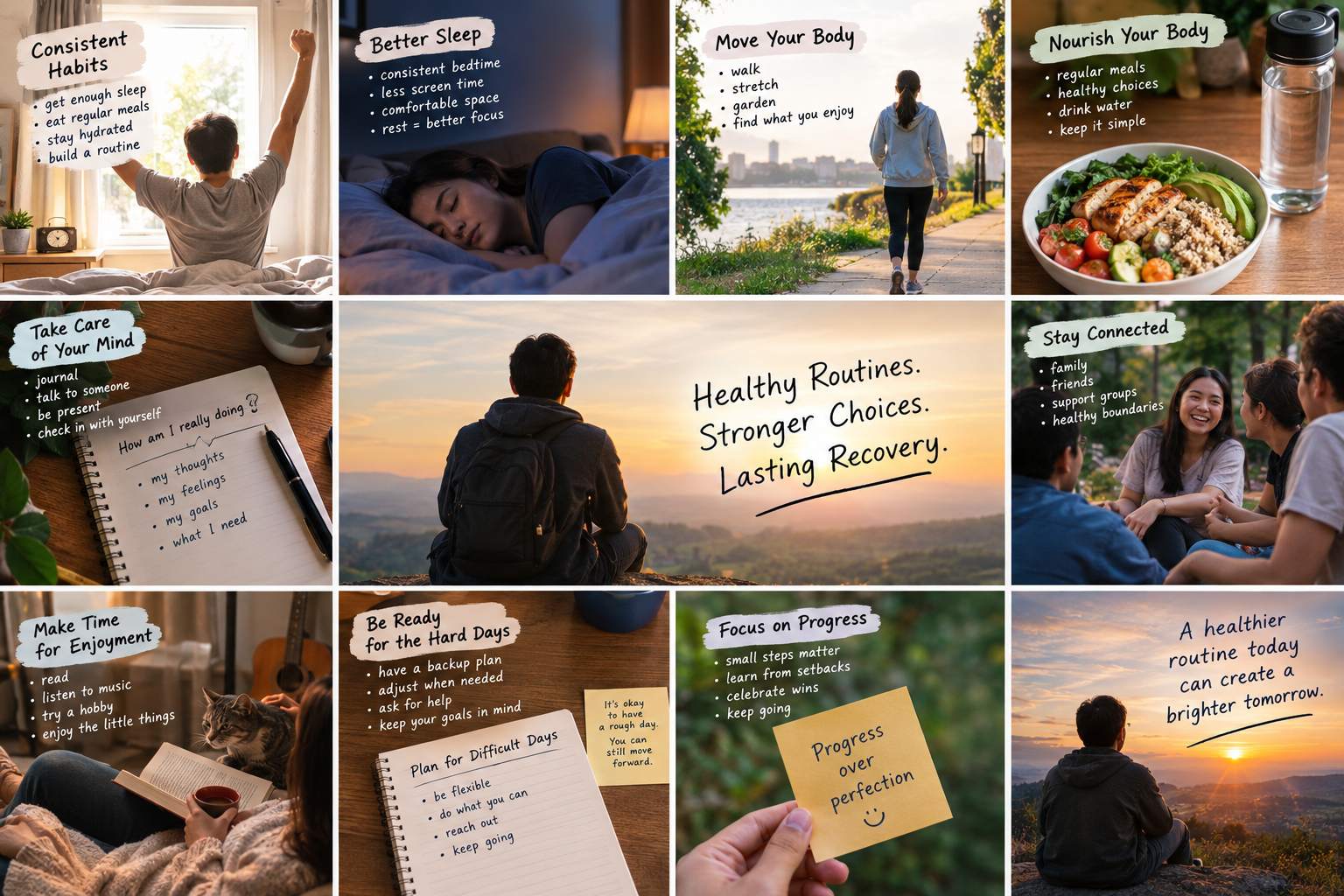
Recovery is often described as a major turning point, but the real work happens in the ordinary days that follow. It can be easy to focus on the big milestones—making an important decision, reaching a certain period of sobriety, or overcoming a difficult moment. Yet long-term progress is usually shaped by much smaller choices repeated over time.
A healthy routine does not have to be complicated. In fact, routines that are too demanding can become difficult to maintain. What matters most is creating daily habits that bring structure, balance, and a sense of stability without making life feel like another checklist to complete.
For many people, exploring resources such as the Wisconsin Recovery Institute can also be part of learning more about recovery and the importance of sustainable habits. But regardless of where someone begins, building a routine starts with understanding what actually makes daily life feel manageable.
Start With a Few Consistent Habits
When life has felt unpredictable for a long time, suddenly trying to change everything can be overwhelming. A better approach is to begin with a few simple habits.
Getting up around the same time each morning, eating regular meals, drinking enough water, and setting aside time for rest can provide a basic sense of rhythm. These actions may seem ordinary, but consistency can make a meaningful difference.
The goal is not perfection. Missing a morning walk or having an unproductive afternoon does not erase previous progress. A routine should be flexible enough to survive difficult days.
Think of it as creating a foundation rather than following a strict schedule.
Make Sleep a Priority
Sleep is one of those things people often push aside when life gets busy. During recovery, however, getting enough rest can be especially important for maintaining energy, concentration, and emotional balance.
A consistent bedtime can help the body recognize when it is time to slow down. Simple habits such as reducing screen time before bed, keeping the bedroom comfortable, and avoiding large meals late at night may also help create a better nighttime environment.
There will always be nights when sleep does not go according to plan. Instead of becoming frustrated, it can help to focus on returning to healthier habits the following evening.
Small adjustments repeated over time are often more realistic than expecting immediate results.
Create Space for Movement
Exercise does not have to mean spending an hour at the gym. Movement can be as simple as taking a walk around the neighborhood, stretching in the morning, riding a bicycle, gardening, or doing household chores.
Physical activity can also provide a useful break from repetitive thoughts. A short walk outside may create enough distance from a stressful situation to approach it with a clearer mind.
The most effective activity is often the one a person actually enjoys. If a routine feels like punishment, it will probably be difficult to maintain. Finding enjoyable ways to move makes consistency much easier.
Pay Attention to Food and Hydration
When routines become disrupted, meals are often one of the first things to become inconsistent. Skipping breakfast, eating at random times, or relying heavily on convenience foods can leave someone feeling drained.
A more balanced approach is to make regular meals part of the daily rhythm. Keeping simple, nourishing options available can make healthy choices easier when energy is low.
Hydration matters too. Having a water bottle nearby throughout the day is a small habit, but it removes one unnecessary decision from an already busy routine.
There is no need to create an elaborate meal plan. Start with realistic choices that can be repeated.
Give Mental Health a Place in the Routine
Recovery is not only about physical habits. Emotional well-being deserves regular attention too.
Journaling for a few minutes, talking with someone trusted, practicing mindfulness, spending time outdoors, or simply sitting quietly without distractions can create space to notice how things are actually going.
One useful question to ask at the end of the day is, “How am I really doing?”
It is easy to move through a busy schedule without noticing growing stress, loneliness, frustration, or exhaustion. Checking in with yourself can make those feelings easier to recognize before they become overwhelming.
The ideas shared through organizations such as the Wisconsin Recovery Institute can also remind people that recovery involves more than avoiding old behaviors. It can involve developing healthier ways to respond to emotions, relationships, responsibilities, and everyday challenges.
Stay Connected to Supportive People
A healthy routine should include other people.
Recovery can sometimes feel isolating, particularly when someone is trying to make significant changes in their life. Staying connected with supportive friends, relatives, peers, or other trusted people can provide encouragement when motivation begins to fade.
Connection does not always require a long conversation. A quick phone call, coffee with a friend, a shared meal, or a regular weekend activity can help maintain a sense of belonging.
It is also worth paying attention to which relationships support positive changes and which ones make progress more difficult. Setting boundaries can be uncomfortable, but protecting personal stability is an important part of building a healthier lifestyle.
Leave Room for Enjoyment
One common mistake is treating recovery as a life filled entirely with responsibilities.
People need enjoyment, too.
Reading a book, listening to music, cooking, watching a favorite show, spending time with a pet, exploring a new hobby, or simply enjoying a quiet afternoon can make everyday life feel more rewarding.
Pleasure does not have to be earned after completing every task. Healthy recreation can be part of the routine itself.
Finding enjoyable activities also helps create new experiences that are separate from past patterns. Over time, these moments can become reminders that life has more to offer.
Prepare for Difficult Days
Even the best routine will eventually be interrupted.
There may be stressful workdays, family problems, unexpected setbacks, or moments when motivation disappears. This does not mean the routine has failed.
Instead of creating a plan that assumes every day will go smoothly, build one that allows for difficult days.
Maybe the full workout becomes a ten-minute walk. Maybe cooking a complete meal is replaced by a simple option. Maybe the day’s only goal is getting enough rest and reaching out to someone supportive.
Flexibility can make a routine stronger, not weaker.
The Wisconsin Recovery Institute is one example of a broader recovery conversation that emphasizes the importance of practical, sustainable approaches rather than expecting change to happen overnight. Long-term progress is rarely a straight line.
Focus on Progress, Not Perfection
Perhaps the most important part of building healthy routines is changing the way progress is measured.
A person does not need to have a perfect week to be moving forward. Missing a goal once does not cancel the days when the goal was met. What matters is what happens next.
Instead of asking, “Did I do everything right today?” a more useful question might be, “What is one healthy choice I can make tomorrow?”
That shift can take some of the pressure out of recovery.
Over time, simple habits begin to reinforce one another. Better sleep can make movement easier. Regular meals can improve energy. More energy can make it easier to stay connected with others. Stronger connections can provide encouragement during difficult moments.
None of these changes needs to happen all at once.
Building a Routine That Can Last
Long-term recovery is built in everyday moments. It can be found in getting enough sleep, preparing a meal, taking a walk, calling someone you trust, recognizing difficult emotions, and choosing to begin again after a challenging day.
The best routine is not necessarily the most ambitious one. It is the one that fits real life.
Learning from resources such as the Wisconsin Recovery Institute may help people better understand the broader recovery process, but personal routines ultimately need to reflect individual circumstances, needs, and goals.
Healthy change takes time. Some days will feel easier than others, and setbacks may happen along the way. What matters is continuing to build habits that support a stable, meaningful life.
Recovery is not just about getting through today. It is also about creating a tomorrow that feels worth showing up for.