
How Customer Priorities Are Influencing Modern Building Design
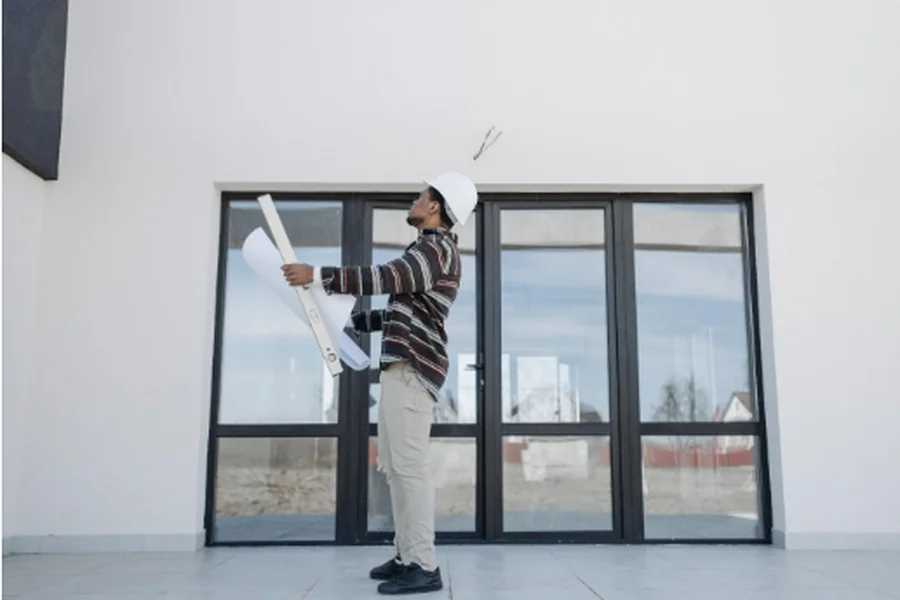
Modern building designs are no longer shaped by factors such as the chosen architects, engineers, and construction budgets. Customers now arrive with clearer expectations about how a property should look, perform, and support everyday life. Flexibility, energy efficiency, speed, durability, and long-term value are becoming central to design decisions across residential, commercial, and agricultural projects.
Greater Demand for Flexible Spaces
Customers increasingly want buildings that can adapt as their circumstances change. A family may need a home office today and an additional bedroom later. A growing business may want an open workspace that can eventually be divided into private rooms. This demand is encouraging designers to create wider spans, movable partitions, multipurpose areas, and layouts that can be modified without major structural work.
Flexibility also affects how customers judge value. Rather than viewing a building as suitable for one fixed purpose, many buyers want confidence that it can evolve.
Clearer Guidance Before Construction Begins
Modern customers have access to more information, but that does not mean every project choice is easy to understand. They may compare conventional framing with modular systems, prefabricated components, or arch-style structures without knowing how each option affects foundations, insulation, interior space, or assembly.
A detailed Quonset building guide can be especially useful when customers are considering arch construction for a garage, workshop, storage facility, or commercial space. It can explain how the curved shell distributes loads, why the design often requires fewer internal supports, and what should be considered when selecting dimensions or planning doors and ventilation. Practical guidance helps customers move beyond photographs and assess whether a building method fits their site, intended use, climate, and budget.
Efficiency Is Becoming a Design Priority
Rising operating costs have made energy performance important from the earliest design stages. Customers are paying closer attention to insulation, air sealing, natural light, ventilation, and efficient heating and cooling. These features are no longer viewed simply as optional upgrades. They influence monthly expenses, indoor comfort, and the building’s appeal to future buyers or tenants.
Designers must consider how these elements work together. Large windows may improve daylight, for example, but poorly positioned glazing can increase unwanted heat gain. High insulation levels can reduce energy demand, yet effective ventilation is still needed to manage moisture and maintain healthy indoor air. A successful design balances efficiency with comfort rather than pursuing one feature in isolation.
Sustainability Must Also Be Practical
Many customers want structures with a smaller environmental impact, but they also expect those choices to make financial and functional sense. Recycled materials, responsibly sourced products, solar readiness, and reduced construction waste can strengthen a project when they are suited to the building’s purpose.
Durability is an important part of this discussion. Construction businesses can provide greater value by explaining maintenance needs, expected service life, repair options, and end-of-life recyclability. This gives customers a more complete picture than a simple sustainability label.
Digital Tools Are Changing Customer Involvement
Customers increasingly expect to see and understand a design before work starts. Three-dimensional models, virtual walkthroughs, online selections, and shared project platforms make the process more transparent. These tools can reveal awkward layouts, overlooked storage needs, or access problems while changes are still relatively simple to make.
Greater visibility also creates higher expectations. If customers can follow progress through photographs, schedules, and digital updates, unclear communication becomes more noticeable. Construction businesses therefore need reliable systems and realistic information, not just impressive visual presentations. Technology works best when it supports honest decisions and keeps everyone focused on the agreed scope.
Designing Around Long-Term Value
Modern building designs tend to reflect how customers use the space, maintain and adapt to the building overtime. Attractive finishes may influence the first impression, but practical layouts, efficient systems, durable materials, and manageable maintenance determine whether the structure continues to satisfy its owner.
For construction businesses, listening has become a core design skill. Companies that identify the customer’s real priorities early can recommend appropriate methods, explain trade-offs, and reduce costly changes. Modern building design is becoming more responsive because customers are better informed and more involved. The businesses that succeed will be those that turn that involvement into structures that remain useful, comfortable, and valuable well beyond completion.