
What Happens if a Car Accident Occurs During a Test Drive?
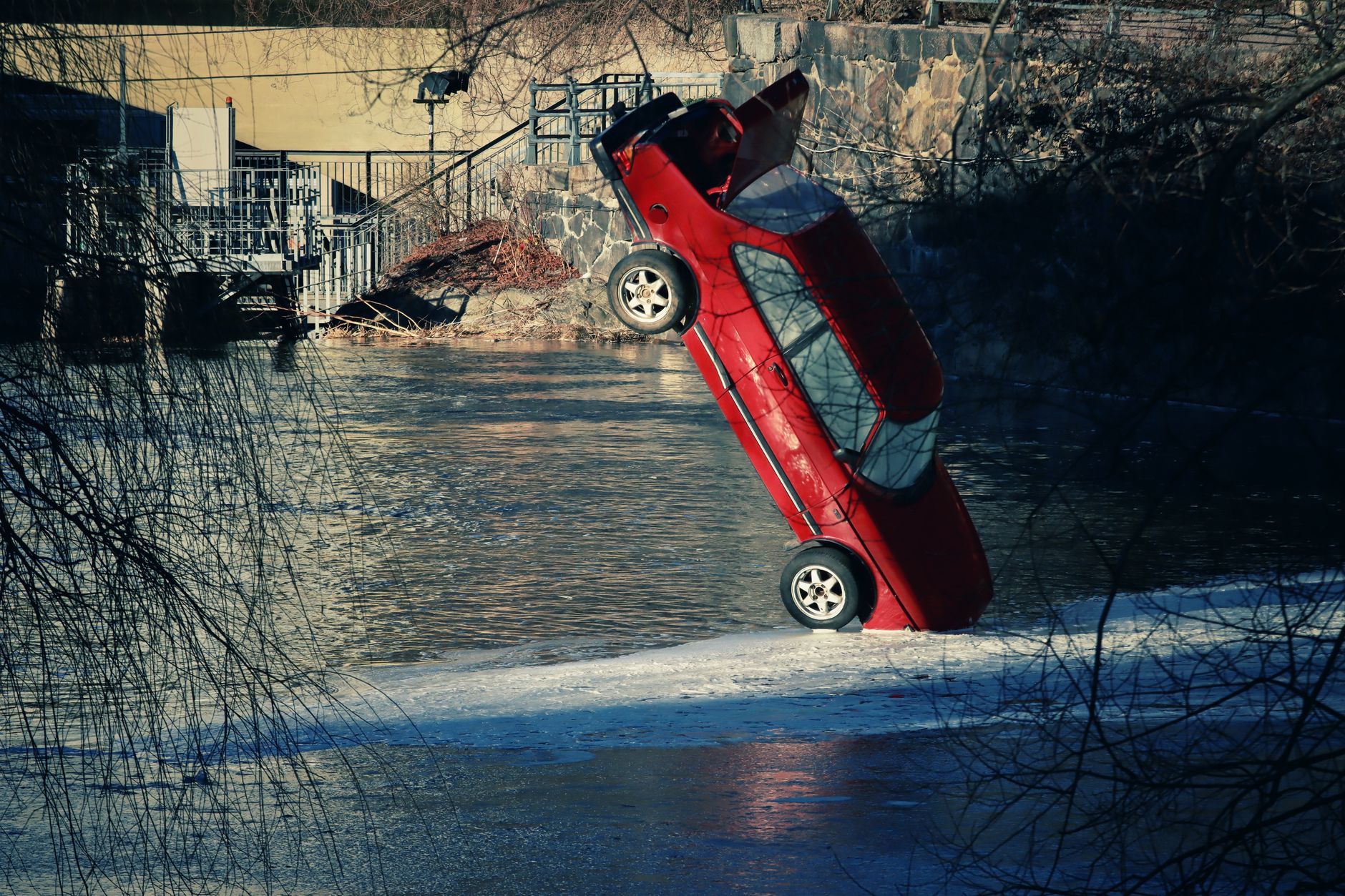
Test driving a car is supposed to be the fun part of shopping for a vehicle. You get behind the wheel, adjust the mirrors and picture yourself driving it home. But a test drive is still a drive, and crashes happen.
When one does, the situation gets confusing fast because you’re operating a car you don’t own, often with a salesperson sitting next to you. Questions about insurance, fault and who pays for what can pile up before the tow truck even arrives. Knowing how these accidents are usually handled can help you stay calm and protect yourself.
The answer depends on several things, starting with whose policy applies. Dealerships carry garage insurance that typically covers vehicles on the lot, including cars out on test drives. In many cases, that policy is the first line of coverage if you cause a crash while driving a car from the dealership. Your own auto insurance may also come into play, particularly if the dealer’s coverage has limits or exclusions.
Some policies treat the test driver as a permitted user, while others require the dealership’s insurance to pay first and your policy to cover whatever is left over.
Fault is equally important. If another driver hits you, their insurance is generally responsible for the damage to the car and for any injuries, just as in a normal collision.
If you caused the crash, the dealership’s insurer may pay for the vehicle while you could still face liability claims from the other driver or passengers. Dealers sometimes ask you to sign a form or show your license before you drive and that paperwork can spell out who pays for what. Read it carefully and ask for a copy if you don’t get one.
One thing worth knowing is that a salesperson in the passenger seat doesn’t automatically make the dealership liable for everything. Still, the dealer has a duty to hand over a safe vehicle and to make sure a driver is properly licensed. If the car had faulty brakes, bad tires or another defect, the dealership or even the manufacturer may share responsibility for what happened.
What to Do Right After a Test Drive Accident
Your first job is safety. Stop the car, turn on the hazard lights and check everyone inside for injuries. Call 911 if anyone is hurt or if the vehicles are blocking traffic. Even a minor crash should be reported to the police, since a report creates an official record of what happened. Don’t move the car unless it’s creating a danger.
Once things are stable, collect information. Take photos of the damage, the road, traffic signs and anything else that shows how the crash happened. Get the other driver’s name, contact details, license plate and insurance information.
If there were witnesses, ask for their names and phone numbers. Write down the salesperson’s name and the dealership’s contact details too and make a note of what each of you said before the crash. Be careful about what you say at the scene.
It’s fine to be polite, but avoid admitting fault or guessing about what went wrong. Adrenaline can make it hard to remember details accurately and statements made in the moment can be used later by insurance companies.
Notify the dealership right away and cooperate with their insurer, but think twice before giving a recorded statement or signing anything that you don’t fully understand. Get medical attention, even if you feel fine.
Whiplash, concussions and soft tissue injuries often take hours or days to show up and a medical record made soon after the crash helps connect your symptoms to the accident. Follow your doctor’s advice and keep every bill, prescription and appointment record.
Why Test Drive Accident Claims Can Get Complicated
These claims can get messy because more than one insurance policy may apply. The dealership’s insurer, your insurer and the other driver’s insurer may each point to someone else.
Questions come up about whether you were an authorized driver, whether the dealer followed its own rules and whether a vehicle defect played a role. Some insurers may also argue that you were partly at fault, which can reduce what you recover in states that use comparative negligence.
Injuries add another layer. If you’re hurt, you might be able to seek compensation for medical bills, lost income, pain and suffering and other losses. Passengers, including a salesperson or a friend riding along, may have their own claims as well. Because so many parties are involved, many people speak with a car accident lawyer to learn how the rules apply in their state.
An experienced car accident lawyer like those at McCoy & Hiestand, PLC will review the policies, the police report and the dealership’s paperwork, and explain what options may be available. Property damage can be tricky too. If the test drive car is totaled or heavily damaged, the dealership will want to know who’s paying for the repairs.
In most cases a driver who wasn’t at fault and wasn’t driving recklessly often isn’t billed out of pocket, but it depends on the paperwork and your state’s laws. Don’t agree to pay anything until you’ve confirmed what your insurance and the dealership’s insurance cover.
Deadlines apply to these claims as well. Every state sets a statute of limitations for injury and property damage lawsuits and some states set shorter windows for certain types of claims. Waiting too long can limit your options, so it helps to start gathering records and asking questions soon after the crash.
A test drive crash can feel like a strange mix of personal and business trouble, but you don’t have to sort it out alone or in a rush. Stay safe at the scene, document everything you possibly can and be careful about what you sign or say. Taking these steps can help protect your health and your finances while the insurance companies figure out who’s responsible.