
From Open Fields to Live Music: What Makes an Outdoor Music Festival Successful?
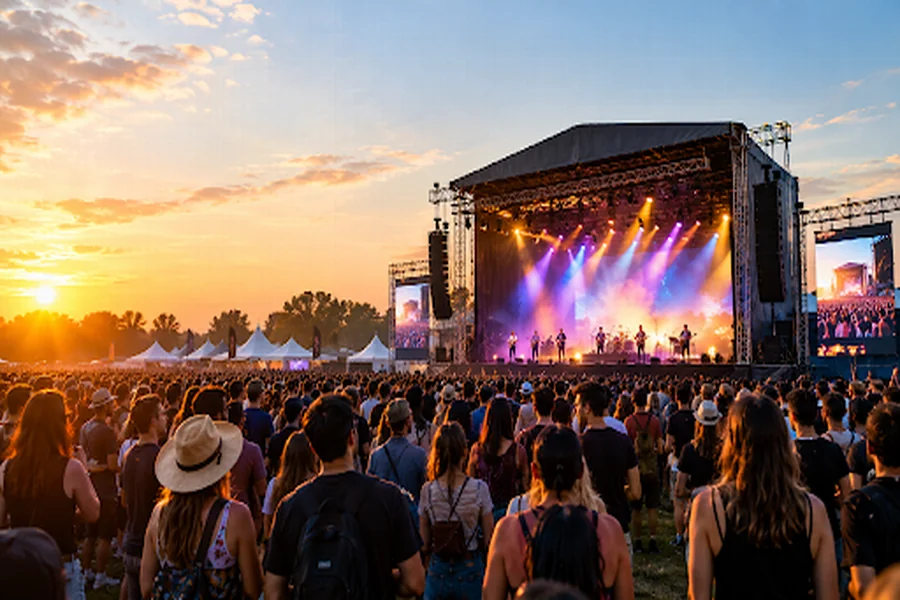
Outdoor music festivals have a special appeal that traditional indoor concerts cannot always replicate. The combination of live performances, open skies, food stalls, creative installations, and thousands of people sharing the same musical experience creates an atmosphere that often becomes the highlight of the summer.
However, a successful festival involves much more than booking popular artists and selling tickets. Behind every memorable performance is a carefully coordinated plan covering the venue, equipment, weather, audience movement, and the needs of performers and production teams.
Understanding these elements reveals how festival organizers transform open spaces into vibrant entertainment destinations.
1. Choosing the Right Location Sets the Foundation
The venue influences nearly every decision involved in planning an outdoor music festival. An open field may offer considerable space for a large audience, while a park or established event ground might provide convenient access to roads, parking, and existing facilities.
Organizers need to assess the site’s capacity, terrain, drainage, accessibility, and proximity to residential areas. A location that looks attractive in photographs may still present challenges if it has limited entrances, insufficient sanitation facilities, or difficult emergency access.
Transportation is another important consideration. Attendees should have practical ways to reach the venue, whether through public transport, designated parking, shuttle services, or clearly marked pedestrian routes.
The surrounding environment also shapes the festival’s identity. A coastal setting may suit a relaxed summer music event, while a countryside location can create a distinctive atmosphere for folk, indie, or acoustic performances.
Choosing a venue that matches the event’s size and character makes the remaining planning decisions considerably easier.
2. Designing a Performance Area That Brings People Together
The main performance area is usually the focal point of a music festival. Its design affects visibility, performer movement, technical equipment placement, and the connection between artists and their audience.
A well-designed concert stage should accommodate the expected performers, instruments, monitors, lighting equipment, and other production requirements. Its dimensions should also reflect the available space and the number of people expected to watch from different viewing positions.
Organizers must consider more than the front of the performance area. Technicians need access to equipment, performers require safe entry and exit routes, and production crews need space to manage transitions between scheduled acts.
For smaller festivals and temporary venues, a portable stage can provide a practical way to establish a dedicated performance area without constructing a permanent structure. The appropriate system depends on platform capacity, ground conditions, weather exposure, and the event’s technical requirements.
Thoughtful placement is equally important. The performance area should be positioned to support good visibility while keeping emergency routes, accessible viewing areas, and essential facilities unobstructed.
3. Sound Quality Can Make or Break the Experience
Even an impressive lineup may disappoint attendees if the sound is difficult to hear. Outdoor environments present particular acoustic challenges because there are no enclosing walls to contain sound, and wind or surrounding noise can affect what listeners experience.
Sound engineers consider speaker placement, audience coverage, stage orientation, and the characteristics of the venue when developing an audio plan. The objective is to provide a consistent listening experience across the intended audience area.
Sound checks are essential before performances begin. They help technicians identify problems with microphone levels, instrument balance, feedback, and equipment connections.
Organizers should also consider nearby residents and applicable noise restrictions. Setting appropriate sound levels and communicating with the local community can reduce complaints and help events operate responsibly.
For multiday festivals, the audio setup must remain dependable throughout the schedule. Backup equipment, spare cables, and access to technical support can help crews respond when unexpected problems arise.
A strong audio plan allows audiences to focus on the music rather than the limitations of the venue.
4. Weather Preparation Is Part of the Festival Plan
Outdoor festivals are exposed to conditions that indoor venues can control more easily. Sunshine can make an afternoon event enjoyable, but intense heat may create discomfort. Rain can affect walking surfaces, electrical equipment, and transportation, while strong winds may make temporary structures unsafe.
Preparation should begin long before the event date. Organizers need to review seasonal weather patterns, monitor forecasts, and establish procedures for changing conditions.
Practical measures may include drinking-water stations, shaded rest areas, suitable drainage, covered technical equipment, and clearly communicated weather policies. The precise arrangements depend on the venue, local climate, and anticipated attendance.
Wind and thunderstorms require particular attention. Temporary structures, overhead equipment, and electrical installations must be managed according to manufacturer instructions and applicable safety requirements. Organizers should have a clear process for pausing performances, evacuating areas, or cancelling activities when conditions become dangerous.
Weather planning should also cover communication. Attendees need to know where to find official updates, what items they can bring, and what happens if the schedule changes.
Although weather cannot be controlled, a well-prepared team can respond more effectively when conditions shift.
5. Crowd Movement and Comfort Deserve Equal Attention
Festival enjoyment depends partly on how easily people can move around the venue. Congested entrances, long queues, poorly positioned facilities, and confusing signs can create frustration even when the performances are excellent.
Organizers should map the audience journey from arrival to departure. Entry points, ticket checks, food stalls, toilets, first-aid stations, and viewing areas should be positioned to minimize unnecessary congestion.
Clear signage helps attendees navigate unfamiliar surroundings. Staff and volunteers should also understand emergency procedures and know where to direct people who need assistance.
Accessibility is another important consideration. Suitable routes, accessible facilities, and designated viewing arrangements help make the event more inclusive. These provisions should be incorporated into the initial layout rather than added as an afterthought.
Rest areas and water stations are especially valuable during long performances or hot weather. Attendees who can take breaks and find essential services are better equipped to enjoy the event throughout the day.
A comfortable audience experience is not simply an added benefit. It is a central part of responsible festival planning.
6. Scheduling Performances Without Losing Momentum
A festival schedule needs to balance audience expectations with the practical demands of live production. Organizers must decide which artists perform when, how long each set lasts, and how equipment changes happen between acts.
Popular performers may attract large crowds, so scheduling should account for anticipated attendance and movement around the venue. Organizers should also avoid unnecessary conflicts when audiences are likely to want to see several artists performing at the same time.
Transitions between acts require careful coordination. Different musicians may use different instruments, microphones, monitor arrangements, and technical configurations. A production team that prepares these requirements in advance can reduce delays and keep the event moving.
Adequate breaks are also important for performers and crew members. A realistic schedule leaves room for equipment adjustments, unexpected delays, and essential safety checks.
Clear communication between artists, stage managers, sound engineers, and event coordinators helps everyone understand their responsibilities.
The best festival schedules create a natural rhythm, giving audiences exciting performances without making the production feel rushed.
7. Food, Activities, and Shared Experiences Complete the Event
Music may be the main attraction, but the surrounding experience often determines how memorable a festival becomes.
Food vendors, local crafts, interactive installations, photo opportunities, and relaxation areas give attendees reasons to explore beyond the main performance space. These additions can also help smaller festivals establish a distinctive personality.
The selection should match the event’s audience. A family-friendly festival might prioritize accessible activities and comfortable seating, while a late-afternoon indie event may focus on local food, creative displays, and relaxed social spaces.
Vendor placement requires practical consideration. Food and merchandise queues should not obstruct emergency routes or major pedestrian pathways. Waste collection, recycling facilities, and regular cleaning also help keep the venue pleasant throughout the event.
Organizers can make the experience more cohesive by connecting these activities to the festival’s theme. When the venue, entertainment, food, and visual design work together, attendees experience a complete event rather than simply a sequence of performances.
8. Sustainability and Responsible Festival Planning
Large gatherings can generate substantial waste and place pressure on local infrastructure. Responsible organizers should consider the environmental impact of their decisions, from transportation and electricity use to food packaging and site restoration.
Encouraging public transport, providing recycling stations, reducing unnecessary single-use materials, and working with local suppliers can help improve the event’s environmental performance.
Power planning is particularly important. Audio systems, lighting, vendor equipment, and support facilities all require suitable electrical arrangements. Equipment should be selected and installed according to actual demand, with qualified personnel overseeing electrical safety.
Organizers should also plan how the venue will be restored after the festival. Waste removal, ground inspections, and the repair of damaged areas help protect the location for future use.
Sustainability does not need to diminish the festival experience. When practical measures are integrated into the planning process, they can make events more considerate of both attendees and the surrounding community.
Making Every Festival Count
A successful outdoor music festival brings together creativity, logistics, technical expertise, and a genuine understanding of audience needs. The right venue establishes the foundation, effective sound and staging support the performances, and thoughtful planning keeps the experience comfortable and safe.
Weather preparation, crowd movement, scheduling, accessibility, and sustainability are equally important to the final result. Each element contributes to an environment where performers can deliver their best work and audiences can concentrate on enjoying the music.
Ultimately, the most memorable festivals are those where careful preparation remains largely invisible to attendees. People arrive for the artists, discover new experiences along the way, and leave with memories of a day that felt effortless, exciting, and worth sharing.