
How Automation Tools Streamline Single-Cell Analysis
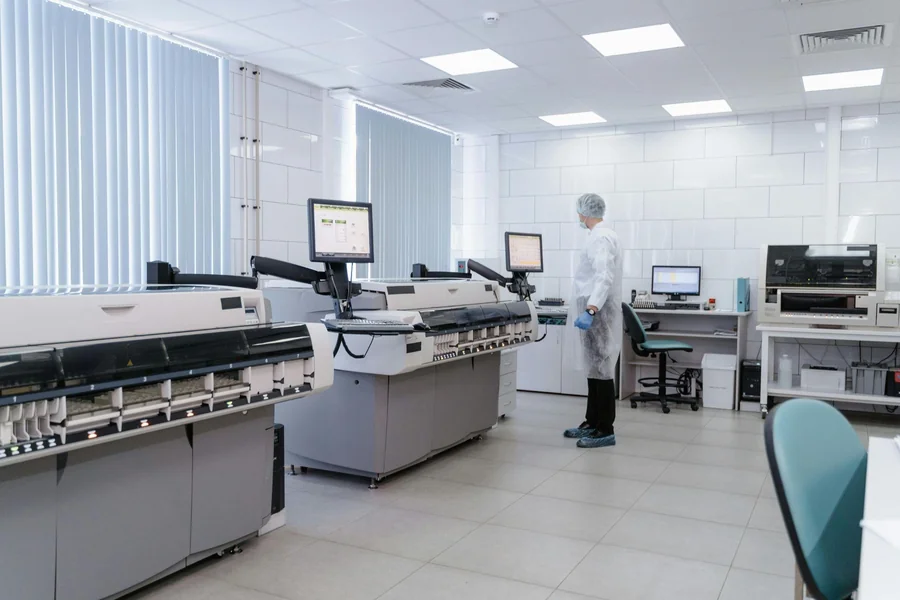
Single-cell research moves fast today. Labs sort through huge piles of data. New tools keep showing up. Many researchers try to keep their heads above water as methods grow more complex.
Automation steps in at the right moment. It brings order to a crowded workflow and gives scientists more room to think.
Smoother Starts With Better Prep
A lot of the stress appears at the earliest stage of a project. Many teams spend long hours preparing samples. That work drains energy and slows down progress. It feels simple on paper. It gets tricky once you sit at the bench. Small errors creep in. Results drift. Progress stalls.
This is where single cell library preparation fits in naturally. Automation tools guide each step with tight control. Machines measure tiny volumes with more care than a tired researcher at the end of a long day. The process turns into a steady routine. Samples stay consistent. Output stays reliable. Teams avoid the usual chaos that comes from working fast under pressure.
A Clear Path Through Complex Data
Once the prep work ends, the next big mountain rises from the page. Every cell brings its own story. Each one holds a set of signals that need careful processing. Data loads stack up fast. Many labs feel overwhelmed by the pace. The pressure builds with each new run.
Automated analysis tools help carve a clean path through that complexity. These systems break tasks into small steps. They pick up patterns with ease. They push processed data into organized buckets. Researchers stop fighting with broken scripts. They stop flipping through messy spreadsheets. They get more time to look at the actual biology. That freedom adds fresh insight and keeps burnout at bay.
Less Manual Work, Fewer Painful Mistakes
Human error hides in every corner of the workflow. A small pipetting slip. A mislabeled plate. A rushed click during a late shift. One mistake can ruin a long project. These moments happen often when people carry too much work on their shoulders.
Automation cuts many of those risks down. Robots repeat tasks the same way every time. Software tracks changes in real time. Systems flag odd results before bigger problems appear. The atmosphere in the lab starts to feel lighter. People relax a bit more. They trust the process again. The quality of the final data improves without extra stress.
Faster Runs That Keep Teams Moving
Speed matters in research. Deadlines creep up. Grant cycles move fast. Teams need tools that keep everything in motion. Manual workflows rarely keep pace with new goals. They slow down even the most organized group.
Automated platforms help speed things up without turning the lab into a frantic space. Machines work through tasks at a steady rhythm. They keep the flow smooth. Researchers slide into analysis sooner. They have more time to test new ideas. Projects finish faster and with fewer bottlenecks. That momentum feels good and keeps morale high.
A Boost for Collaboration
Modern science thrives on shared work. Teams spread across cities. Data moves from place to place. Communication needs to stay sharp. Manual systems often break that flow. People rely on notes in different formats. Files scatter across drives. Context gets lost.
Automation tools help bring structure to that chaos. They produce clean data packets. They create repeatable steps that feel familiar to every team. They cut confusion during handoffs. Everyone speaks the same workflow language. Collaboration feels smoother and more natural. The work becomes a team effort instead of a series of disconnected tasks.
Stronger Insights From High-Quality Data
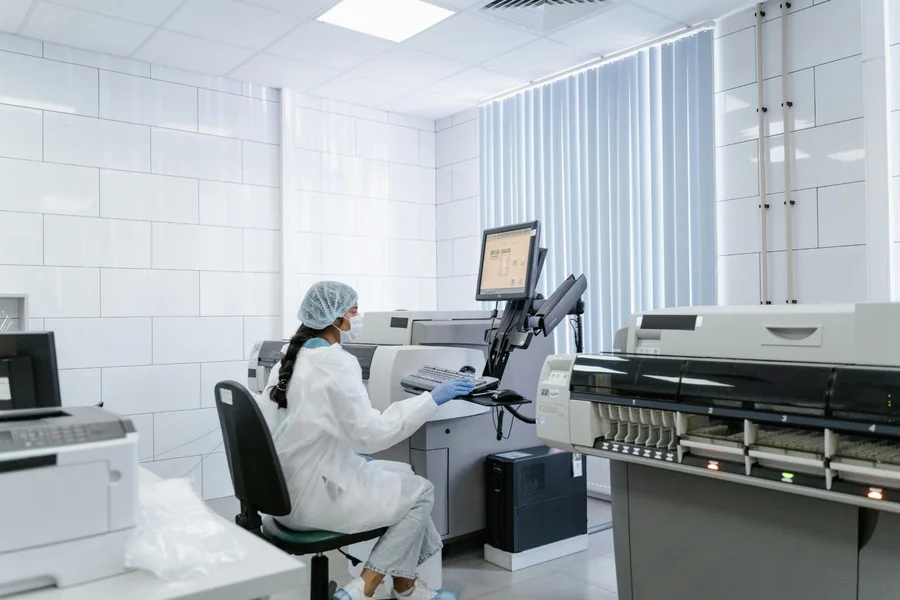
The ultimate goal stays the same in every lab. People want clear answers. They want data that stands firm. They want results they can trust. Poor workflow control stands in the way of that. Manual steps introduce noise. Missteps blur the picture.
Automation brings more clarity. Machines work with precise timing. Tools track metadata with care. The whole process feels more polished. Researchers pull stronger signals out of their datasets. They make clearer connections. They draw conclusions with more confidence. High-quality data pushes the entire field forward.
A Future With More Discovery and Less Stress
Single-cell analysis keeps expanding. New methods reach deeper into biological systems. More labs join the field. More questions appear on the horizon. The workload grows with every advance.
Automation helps manage the weight of that growth. It provides structure and stability. It removes messy steps that waste time. It gives people space to think deeply about their science. The technology feels like a quiet partner in the background. It supports the work without taking attention away from discovery.
As the field evolves, automated tools will continue to shape the future of single-cell research. They smooth out the rough edges of every workflow. They keep teams moving. They help uncover new layers of insight hidden within each cell. The path forward looks bright with systems that reduce stress and lift the quality of science.