
Varicose Vein Treatments that Reduce Pain and Swelling
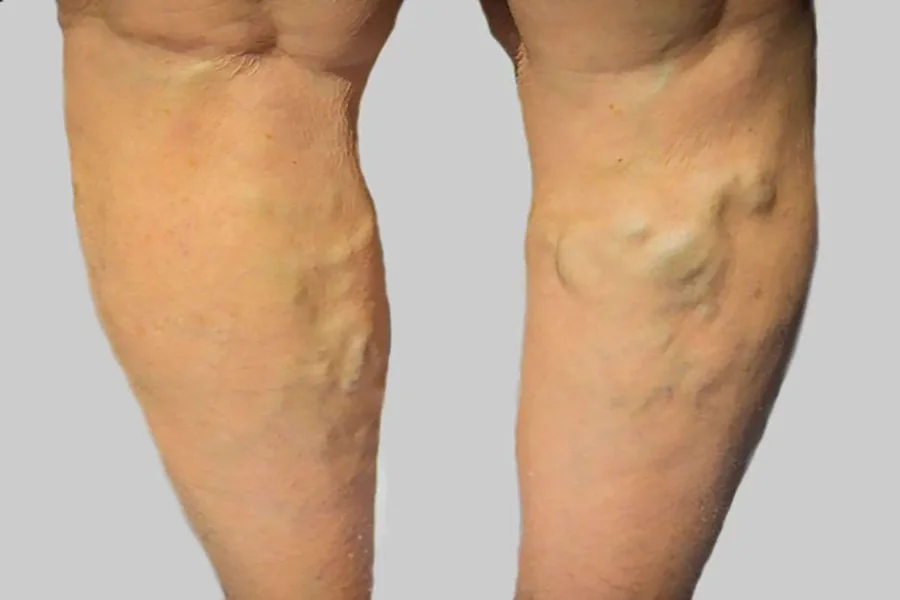
Varicose veins are more than a cosmetic concern—they can cause discomfort, pain, and impact overall leg health. At Metro Vein Centers, we understand the challenges these swollen, twisted veins present. In this guide, we’ll explore the causes of varicose veins, effective treatment options, and strategies to reduce pain and swelling, empowering us to regain healthy, comfortable legs.
Understanding Varicose Veins and Their Symptoms
Varicose veins are enlarged veins that often appear dark blue or purple and commonly occur in the legs. They develop when veins become weakened or damaged, leading to improper blood flow. This can result in blood pooling, causing the veins to stretch and bulge. The symptoms we might experience range from mild to severe and may include:
- Pain – Discomfort can vary from a dull ache to intense pain, particularly after long periods of standing.
- Swelling – Our legs may appear swollen, especially around the ankles.
- Heaviness – A feeling of heaviness, especially after physical activity.
- Itching – Sometimes, we may notice itching around the veins.
Recognizing these symptoms early can help us manage the condition effectively and seek appropriate treatment.
Non-Invasive Treatment Options
For many of us, the thought of undergoing invasive procedures can be daunting. Fortunately, there are several non-invasive treatment options available that can help alleviate the pain and swelling of varicose veins:
Compression Therapy
Compression stockings are often the first line of defense. They apply pressure to the legs, promoting blood flow and reducing swelling. We can find them in various sizes and levels of compression, tailored to our specific needs.
Lifestyle Modifications
Implementing simple lifestyle changes can make a significant impact. Regular exercise, maintaining a healthy weight, and avoiding prolonged periods of standing or sitting can all contribute to better vein health.
Sclerotherapy
This treatment involves injecting a solution into the affected veins, causing them to collapse and gradually fade away. It’s effective and requires no anesthesia, making it a popular choice. Many of us may notice improvement after just one session, although multiple treatments could be necessary.
Minimally Invasive Procedures
If non-invasive treatments don’t provide the relief we need, we may consider minimally invasive procedures that offer effective results:
Endovenous Laser Therapy (EVLT)
In this procedure, a laser fiber is inserted into the vein, emitting laser energy that causes the vein to collapse. We often appreciate the minimal recovery time associated with EVLT since it’s typically performed on an outpatient basis.
Radiofrequency Ablation (RFA)
Similar to EVLT, RFA uses radiofrequency energy to heat the vein, leading to its closure. This procedure is also performed without general anesthesia and provides quick recuperation, allowing us to return to daily activities sooner.
Surgical Treatments for Varicose Veins
For more severe cases of varicose veins, surgical intervention may be necessary:
Ligation and Division
This traditional surgical method involves tying off the affected vein and removing it. It’s usually done under general anesthesia and may require a longer recovery period compared to minimally invasive treatments. But it’s highly effective for extensive vein issues.
Ambulatory Phlebectomy
In this outpatient procedure, small incisions are made to remove varicose veins from the leg. It’s less invasive than ligation and division, and many patients find the recovery comfortable and quick.
Lifestyle Changes to Alleviate Pain and Swelling
We can also take proactive steps to manage varicose veins through our everyday lifestyle choices:
Diet
Incorporating a balanced diet rich in fiber and low in sodium can help prevent constipation and reduce swelling. Foods rich in antioxidants, like berries and green leafy vegetables, also support vein health.
Exercise Routine
Engaging in regular physical activity not only aids in weight management but also strengthens the muscles in our legs, improving circulation. Activities such as walking, swimming, and cycling can be particularly beneficial.
Elevating the Legs
Whenever possible, we should elevate our legs to help blood flow and alleviate swelling. Even short intervals of leg elevation during the day can bring relief.
When to Consult a Healthcare Professional
While some discomfort and swelling may be a normal part of having varicose veins, we should consult a healthcare professional when:
- The pain worsens or affects our daily activities.
- We experience significant swelling or color changes in our legs.
- Symptoms persist even though home remedies and lifestyle changes have been made.
Seeking a professional opinion can help us explore viable treatment options and reduce the risks associated with untreated varicose veins.
Conclusion
To conclude, managing varicose veins calls for a comprehensive approach that involves understanding the condition, exploring treatment options, and making a thoughtful lifestyle change. Whether we opt for non-invasive therapies, minimally invasive procedures, or surgical treatments, we can greatly reduce pain and swelling. Remember, acting early can lead to better results, helping us enjoy healthier, pain-free legs.