
Anaheim’s Climate Guide: Selecting Weather-Resistant Patio Covers and Fencing Solutions
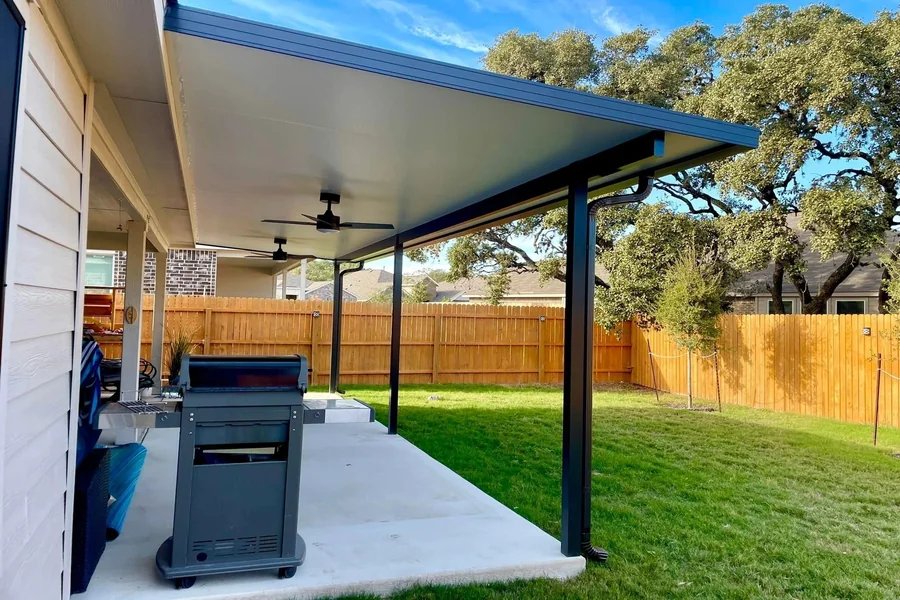
A backyard is where memories are made, kids play, and friends gather. But Anaheim’s abundant sunshine can quickly turn a dream outdoor space into a high-maintenance headache.
Sunshine hours peak in the summer months, reaching their zenith at 12 hours per day from June to August. This subject patio covers and fences to relentless UV rays, causing colors to fade and materials to weaken over time.
Thus, choosing weather-resistant, durable structures ensures your backyard stays comfortable, inviting, and stress-free year-round.
In this blog, we’ll break down Anaheim’s unique climate challenges and share practical tips for selecting patio covers and fencing that not only survive but succeed. This makes your outdoor space a true extension of your home.
Understanding Anaheim’s Climate
Anaheim’s weather looks mild, but persistent sun, occasional moisture, and seasonal winds silently affect outdoor materials. Homeowners often underestimate long-term damage, leaving patio covers and fences vulnerable to fading, cracking, warping, and shifting, which gradually reduces their usability and appeal. Here’s what you need to know about Anaheim’s climate:
1. Constant Sun Exposure
The sun shines relentlessly in Anaheim, causing surfaces to dry out and colors to fade quickly, leaving patio covers and fences vulnerable to brittleness and weakening over time, so materials must resist prolonged exposure while maintaining structural integrity and aesthetics.
2. Dry Air Effects
Dry air slowly removes natural moisture from wood and other materials, causing shrinkage, small cracks, and misalignment in fencing and patio covers, which homeowners often overlook until gaps appear, affecting both the visual appeal and practical function of outdoor spaces.
3. Hidden Moisture Damage
Even with generally dry conditions, morning condensation and coastal air introduce moisture that can warp boards, loosen fasteners, and create uneven surfaces, making it essential to select materials that withstand fluctuating dryness and humidity without compromising structural stability or appearance.
4. Wind Challenges
Seasonal winds in Anaheim, though moderate, consistently test patio covers and fences, loosening joints and rattling panels over time; durable outdoor structures must resist movement to maintain safety, stability, and comfort, ensuring reliable use in everyday backyard activities.
Once you understand the climate, the next step is selecting materials that can endure these conditions. Let’s go through it in the next section!
Why Material Choice Matters?
Choosing the right materials for Anaheim’s climate saves homeowners both frustration and money, reducing frequent repairs, repainting, and replacements. Here’s why choosing the right material matters:
1. Longevity Over Style
Focusing on style over durability leads to short-lived patio covers and fences that deteriorate quickly under sun, wind, and dry conditions; homeowners should prioritize materials that maintain integrity over the years, balancing aesthetic appeal with practical resilience and low upkeep.
2. Comfort and Usability
Outdoor spaces should enhance comfort rather than create stress; patio covers and fences that maintain shade, airflow, and privacy allow homeowners to enjoy consistent, reliable use, transforming backyards into functional extensions of the home without the frustration of frequent maintenance or repairs.
With the right materials in mind, it’s time to focus on patio covers specifically. Their durability, sun protection, and airflow directly influence comfort and usability in your backyard.
How to Choose Patio Covers Built for Anaheim?
Selecting a patio cover requires materials that withstand sun, wind, and occasional moisture while providing shade and comfort. Covers must be durable, stable, and low-maintenance to support outdoor living year-round.
1. Sun-Resistant Materials
Patio covers must resist prolonged sun exposure without fading, warping, or cracking, keeping shade consistent and the structure visually appealing, so homeowners can enjoy outdoor activities comfortably while avoiding constant touch-ups, repairs, or replacements due to accelerated material breakdown from sunlight.
2. Heat and Airflow
Effective patio covers provide shade without trapping heat, allowing airflow that keeps outdoor spaces comfortable in Anaheim’s sunny climate, creating an inviting environment for family gatherings and relaxation while preventing stifling conditions that discourage everyday use of the backyard area.
3. Structural Stability
Patio covers must remain secure under wind and minor weather fluctuations, preventing rattling, shifting, or loosening that affects both safety and confidence in using the space, ensuring homeowners can enjoy peace of mind while entertaining, relaxing, or simply spending time outdoors.
Even with good materials, mistakes can undermine patio cover performance. Recognizing common pitfalls helps homeowners avoid frustration, improve longevity, and enhance their outdoor living experience.
What are Some Common Patio Cover Mistakes?
Homeowners often make decisions that compromise durability, comfort, or long-term usability, resulting in constant repairs or underused spaces. Understanding these common errors helps avoid mistakes that turn a once-promising outdoor area into a maintenance headache.
1. Prioritizing Style
Choosing patio covers based primarily on looks rather than resilience causes frustration, as structures fail under Anaheim’s sun and wind, losing color, cracking, or loosening; prioritizing practical durability ensures long-term enjoyment without sacrificing aesthetics or requiring frequent costly fixes over time.
2. Ignoring Comfort
Covers that block sunlight but restrict airflow create hot, uncomfortable spaces, making patios less usable during warm afternoons; prioritizing materials and designs that maintain both shade and ventilation keeps the backyard pleasant for extended outdoor activities and family enjoyment.
3. Neglecting Stability
Lightweight or poorly installed covers may shift or creak over time, decreasing safety and usability; investing in stable, wind-resistant construction ensures patio covers stay secure, quiet, and reliable, allowing homeowners to enjoy outdoor living without constant monitoring or adjustments.
Fences face similar climate challenges. Sun, dry air, and occasional moisture slowly affect stability and privacy, making it essential to understand these unique risks before selecting fencing solutions.
What are Some Fencing Challenges in Anaheim?
Fencing is essential for privacy, security, and backyard aesthetics, but climate can subtly degrade boards and posts. This gets more serious when dry air, sun exposure, or occasional moisture weakens material integrity over time, creating misaligned panels and gaps that affect function and visual appeal.
1. Sun Damage to Fences
Prolonged sun exposure dries out wood and other fencing materials, causing cracking, fading, and weakening that gradually reduces both privacy and structural integrity; selecting weather-resistant fencing ensures reliable protection from sun damage while maintaining a pleasing appearance and function over the years.
2. Dry Air and Warping
Anaheim’s dry climate gradually pulls moisture from fencing materials, causing warping, shrinking, and misaligned gates or panels; durable, climate-conscious fences maintain shape and spacing, preserving privacy and usability without the frustration of boards separating, sticking, or sagging due to environmental stress.
3. Moisture Impact
Even occasional moisture from coastal air or morning condensation can lead to surface swelling, joint loosening, and subtle structural changes over time, requiring homeowners to select fences that manage small amounts of moisture without compromising alignment, durability, or everyday functionality in their outdoor space.
Understanding the challenges is just the first step. The next step is choosing weather-resistant, durable fencing that ensures privacy, structural integrity, and long-term usability without frequent maintenance or unexpected repairs.
How to Choose Fencing That Lasts?
Long-lasting fences combine strength, weather resistance, and low maintenance, creating privacy and boundary definition without constant adjustments or repairs. Here’s how to choose the right fencing:
1. Materials That Age Well
Fences that resist cracking, warping, and shrinkage provide a predictable appearance and performance over time, letting homeowners maintain privacy and security without frequent repairs, ensuring that the backyard remains functional and visually cohesive throughout seasons despite sun, dry air, and minor moisture exposure.
2. Alignment and Functionality
High-quality fencing maintains straight lines and gate operation, preventing misalignment and gaps that reduce privacy or create security concerns, allowing homeowners to enjoy a seamless, reliable outdoor space where boundaries are clear, visually appealing, and structurally sound for years of everyday use.
3. Low Maintenance Solutions
Durable fencing reduces ongoing upkeep, minimizing repainting, reinforcement, or replacements, giving homeowners time and freedom to enjoy outdoor living, confident that their boundaries, privacy, and structural stability are preserved, even under consistent sun, dry air, and occasional moisture that could otherwise compromise weaker materials.
Finally, homeowners can combine patio covers and fences to create a cohesive outdoor space. Proper integration enhances comfort, aesthetics, and usability, turning the backyard into a functional retreat.
Blending Patio Covers and Fencing
Creating a cohesive outdoor space goes beyond picking a patio cover or fence separately. When these elements complement each other, your backyard becomes both functional and visually appealing, offering long-term comfort and durability.
- Visual Harmony: Matching finishes, colors, and materials across patio covers and fences creates a cohesive backyard appearance, enhancing aesthetics without compromising functionality. Homeowners enjoy a space that looks attractive while resisting Anaheim’s sun, wind, and occasional moisture.
- Functional Integration: When patio covers and fences complement each other structurally and spatially, outdoor areas feel intentional and usable. Shaded zones, privacy, and clearly defined spaces make family gatherings and entertaining comfortable while keeping maintenance low.
By blending patio covers and fencing thoughtfully, homeowners can maximize both style and practicality, ensuring a backyard that is inviting, durable, and easy to enjoy every day.
Conclusion
Anaheim homeowners can transform their backyards into lasting retreats by choosing weather-resistant patio covers and fencing. Prioritizing materials built to handle sun, dry air, occasional moisture, and wind ensures structures remain sturdy, low-maintenance, and visually appealing for years.
A well-planned backyard balances comfort, privacy, and usability, allowing families to relax, entertain, and spend time outdoors without worry. Thoughtful material selection protects your investment while enhancing everyday life, turning patios and fences into reliable extensions of the home.
With careful choices, Anaheim homeowners can enjoy beautiful, functional, and stress-free outdoor spaces year-round.
FAQs
1. How often should patio covers and fences be inspected in Anaheim?
Even weather-resistant structures benefit from periodic checks. Inspecting annually for loose fasteners, minor cracks, or early signs of wear can prevent small issues from becoming costly repairs.
2. Are there eco-friendly options for durable patio covers and fencing?
Many homeowners can choose sustainable, weather-resistant materials such as recycled composites, sustainably sourced wood, or powder-coated metals that minimize environmental impact while lasting in Anaheim’s climate.
3. How can I maintain the aesthetic appeal of my outdoor structures over time?
Regular cleaning, protective sealants, and checking for minor damage help preserve color and structure, ensuring both patio covers and fences stay attractive without frequent replacement.