
Best Time to Travel to Paris Month by Month Guide
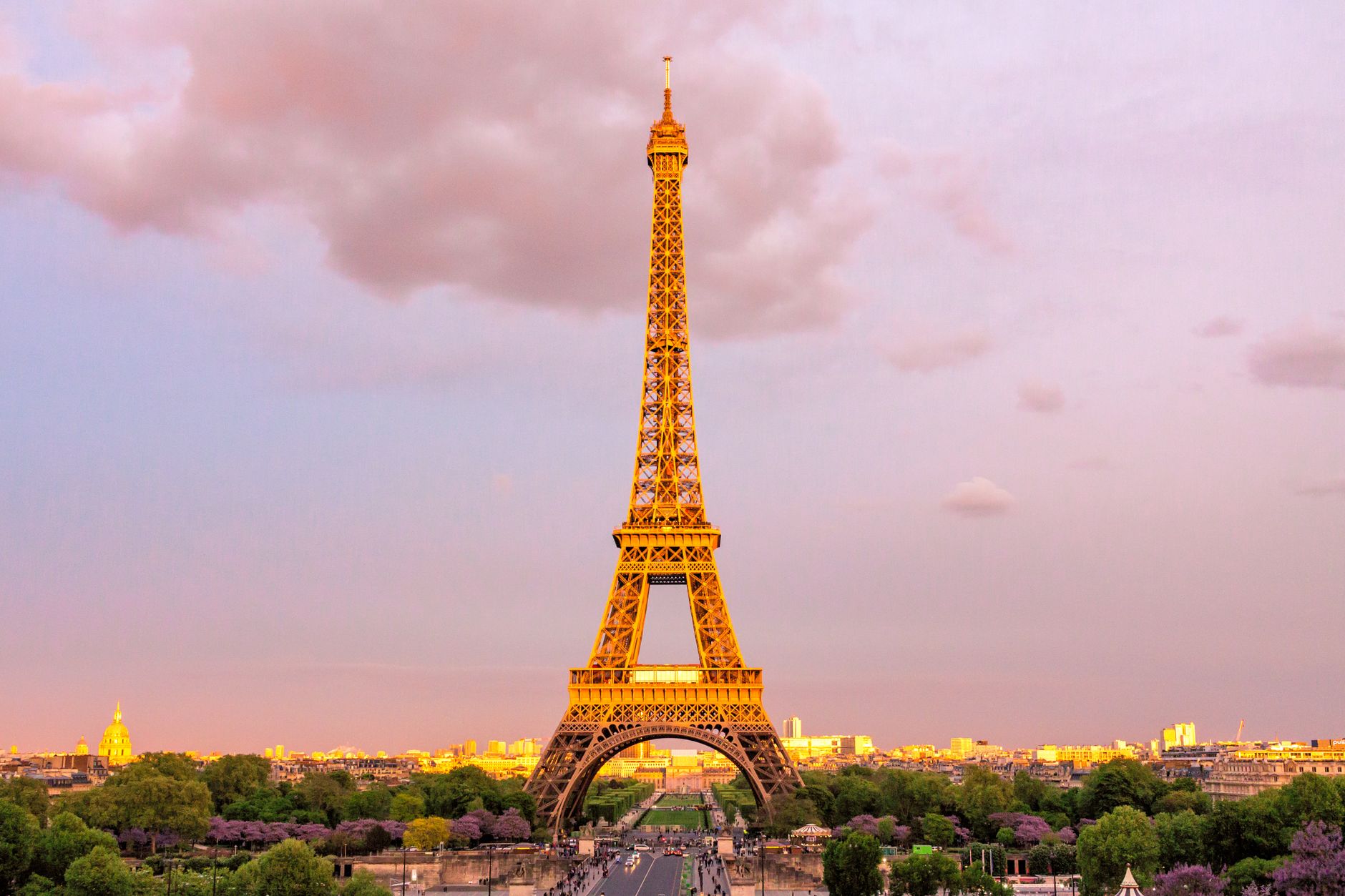
The best time to travel to Paris is almost universally said to be June, and honestly, that’s mostly wrong, or at least incomplete. June is genuinely lovely, with average temperatures around 22°C and long daylight hours that stretch past 9pm, but it’s also when hotel prices spike and the queues at the Louvre start to feel less like sightseeing and more like a stress test. The real question isn’t which month photographs well; it’s which month fits your priorities when you weigh crowds against cost against weather, and those three things rarely point at the same answer.
Paris draws roughly 45 million visitors a year, and they don’t spread themselves evenly across the calendar. A family locked into school-holiday dates will make a completely different call than a solo traveler who can leave on a Tuesday in October, and both will land somewhere different than someone flying in specifically for Fashion Week. Knowing where the peaks and valleys fall gives you real leverage, so what follows is a season-by-season breakdown with actual numbers rather than the vague received wisdom that “spring is nice.”
The goal here is matching the calendar to what you want from the trip, not chasing a consensus that was probably written for someone else.
Paris Weather by Season
Winter in Paris is colder than most visitors expect, January lows average around 3°C, and while snow is genuinely rare, grey skies and drizzle are pretty much the default. The city is far from miserable, though: Christmas markets run into early January, the museums are quiet enough that you can actually stop and look at things without someone’s elbow in your ribs, and there’s a particular moody charm to walking the Seine embankment with almost no one else around. Pack a proper coat and waterproof shoes, not just a stylish jacket you grabbed because it looked good.
Spring, March through May, is the season most people picture when they imagine Paris, mild temperatures creeping toward the mid-teens by April, blossom in the Luxembourg Gardens, café terraces filling up again. March and early April can still be cold and wet, though, and by May the crowds are already building toward summer levels. If you want the postcard aesthetic without the shoulder-season gamble on the weather, aim for late April or the first two weeks of May, which in most years hits a reliable sweet spot.
Summer runs hot and busy. July and August regularly reach the mid-to-upper 20s°C, occasionally tipping past 35°C during heat waves that have become noticeably more frequent since 2019, and air conditioning in older hotels is inconsistent at best (read the reviews carefully before you book). Paris Plages does transform the Seine riverbanks into a beach-style installation for those two months, which is genuinely fun and free, though you’ll be sharing the whole thing with what feels like half of Europe.
Autumn is arguably the most underrated of the four seasons. September still carries real summer warmth, the leaves turn gold through October, and the light on a clear afternoon near the Palais-Royal is the kind of thing that makes you understand why painters kept coming back. November gets cold and wet again, but hotel rates drop sharply by then, and October specifically brings one of the two annual Fashion Week calendars, filling the city with a creative energy that has nothing to do with tourist traps.
Cheapest and Busiest Months
July and August are the peak in almost every sense: visitor numbers swell, prices follow, and the famous sites operate under genuine pressure. Versailles on a Saturday in August is less a cultural experience and more a patience endurance test. Airlines and hotels price accordingly, last-minute deals are nearly impossible to find, and if this is when you have to go, booking four to six months out and accepting the premium as the cost of doing business is the only realistic strategy.
Bastille Day on July 14th deserves its own mention, because it’s both a peak-within-the-peak and one of the most spectacular things you can actually witness in Paris. The fireworks at the Eiffel Tower draw enormous crowds, but the military parade on the Champs-Élysées earlier that morning is impressive in a way that photographs don’t quite capture. If you’re going to be in Paris in July anyway, plan around it rather than away from it.
January is usually the cheapest month to fly and sleep in Paris, full stop. The post-holiday lull is real, and hotels that were fully booked in December drop their rates significantly, sometimes by 40 percent or more on the same room. The men’s and haute couture Fashion Week editions run in mid-to-late January, which nudges prices up slightly in certain neighborhoods, but it’s a short window and the overall month stays affordable. The trade-off is the weather, which is, bluntly, the worst of the year.
Shoulder Season Sweet Spots
October and November are where the value argument gets genuinely compelling. Hotel rates in those months typically fall 20 to 30 percent compared to peak summer prices, and the major sites are noticeably less crowded, the kind of difference where you can stop and read the plaques without someone bumping into you. Sainte-Chapelle on a Tuesday in late October feels like a completely different city than the same place in August.
October also brings ready-to-wear Fashion Week, usually across the first two weeks of the month, so if that world interests you at all, this is the window to aim for. Restaurants are fully staffed, the city’s energy is high without being frantic, and the autumn foliage in the Bois de Boulogne is worth a dedicated afternoon with no particular agenda attached to it. November is quieter and wetter, but if budget is the priority and you don’t mind carrying an umbrella most days, it’s hard to beat on price alone.
March and early April sit in a similar position on the spring side, prices haven’t yet caught up with the demand that floods in during May, and the main attractions are manageable without much forward planning. Hit a warm week and it feels like a windfall. Late September is another strong option, summer pricing has softened, the weather is still warm enough for outdoor dining most evenings, and the tourist wave has visibly pulled back from its July high.
Practical Timing Tips
Book earlier than you think you need to, especially for May through August and around major events. For peak summer, six months is a reasonable lead time; for shoulder months, two to three months is usually enough to find decent rates without scrambling. Paris hotel prices move dynamically, so checking the same property a few times over a couple of weeks often turns up fluctuations worth acting on, especially on Sunday evenings when some properties reset their pricing.
Which arrondissement you stay in matters more than people give it credit for. The 1st or 6th puts you close to museums and monuments but also in the thick of the crowds and the pricing that comes with them, while the 11th or 10th tends to be cheaper, more neighborhood-feeling, and still very well connected by Métro. A 20-minute Métro ride is genuinely not a burden in a city where the trains run this reliably, and the money saved often covers a very good dinner.
- Avoid arriving the day before a major public holiday, transport and restaurants get chaotic in ways that are hard to plan around
- Museum passes save real money if you’re visiting more than three major sites in a week
- Early morning visits (opening time or within 30 minutes of it) cut queue times dramatically in summer
- Check the French school holiday calendar, these weeks see domestic tourism spike noticeably at sites outside Paris too
One thing people consistently underestimate is how much the experience shifts based on time of day rather than just time of year. The best time to travel to Paris might ultimately be whenever you can secure a morning slot at the Eiffel Tower and a late dinner reservation somewhere worth the trouble, because that combination does more for the trip than any particular month on the calendar.
FAQs
What is the cheapest month to visit Paris?
January is generally the cheapest month for both flights and hotels, with the post-Christmas lull pushing rates down across the board, sometimes dramatically. The main trade-off is cold, often grey weather and shorter daylight hours, but if budget is the priority, it’s hard to find a better window outside of specific airline sale periods.
Is Paris worth visiting in winter?
Yes, genuinely, though it suits some travelers more than others. Museums are quieter, there’s no queue culture to speak of at most sites, and the city has a low-key atmosphere that feels quite different from the summer version. If cold and rain bother you, February through March offers a slight improvement in both temperature and general mood without yet tipping into the busy spring season.
How far in advance should I book Paris hotels?
For July and August, aim for at least four to six months ahead, especially for anything centrally located or in a specific price range. Shoulder months like October and March are more forgiving, and two months out is usually sufficient to find good options without paying what amounts to a last-minute panic premium.
For more pieces like this one, browse the rest of our Travel coverage.