
Building a Future-Proof Career Path
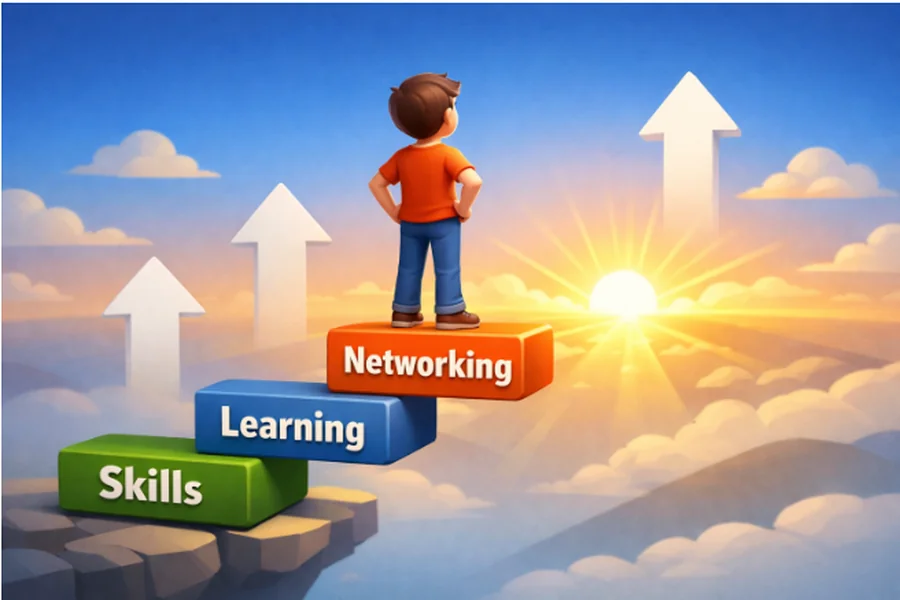
Ensuring your career stands the test of time demands more than technical know-how. In an era defined by constant change and digital transformation, professionals must be proactive and strategic in safeguarding their long-term success. Whether you are just starting or planning your next move, the right strategies empower you to stay agile and capitalize on future opportunities. If you are interested in real-world insights and expert advice, resources like a podcast about career growth are valuable for professionals at every stage.
The goal is not only about surviving changes, but about developing a foundation that allows you to adapt, grow, and thrive no matter how your industry shifts. By future-proofing your career, you invest in yourself and your ability to remain valuable regardless of market evolution. This requires adopting new mindsets, learning new skills, and building on the relationships that open doors to new opportunities. Let’s explore proven steps to help you create a resilient and adaptable career path.
Understanding Future-Proofing
Future-proofing means proactively preparing your career for inevitable change by developing skills, strategies, and a mindset that make you resilient to technological leaps and new workplace demands. Rather than waiting for disruption, you plan ahead, ensuring your professional value remains high in any setting. According to the Harvard Business Review, adopting a future-proof mindset means regularly reassessing both your skills and the evolving needs of the job market, as detailed in their coverage of workforce adaptation.
Developing Transferable Skills
The core of a resilient workforce is the ability to acquire new expertise as industries shift swiftly. Transferable skills, both technical and “human”, strengthen your ability to flex with new demands. These include:
- Communication: The ability to communicate clearly in speech and writing underpins collaboration, management, and client relations.
- Problem-Solving: The best professionals are valued for their resourcefulness and capacity to generate solutions when challenges arise.
- Adaptability: Fast-changing markets demand employees who are comfortable with ambiguity and quick pivots in focus or methods.
- Leadership: Taking initiative, managing teams, and guiding projects showcase your readiness for advancement and greater responsibility.
Research from Forbes underscores that blending soft skills with technical expertise creates a powerful combination for long-term job security.
Embracing Lifelong Learning
The most successful professionals foster a habit of ongoing education. Lifelong learning keeps you up to date and allows you to swiftly acquire new expertise as industries shift. This includes:
- Online Courses: Accessible platforms such as Coursera and Udemy provide training in technical disciplines, management, languages, and much more.
- Workshops and Seminars: Live events combine skill-building with networking opportunities for hands-on growth.
- Certifications: Getting certified in your industry validates your expertise and highlights your commitment to improvement.
According to the World Economic Forum, reskilling and upskilling are now essential to staying relevant as automation and AI reshape the workforce landscape.
Leveraging Technology
Technological literacy is increasingly vital, regardless of your chosen field. Embracing new tools prepares you to drive innovation rather than respond to it. Focus on:
- Learning New Software: Staying conversant with relevant software and digital platforms boosts efficiency and keeps you marketable.
- Understanding Data Analytics: Making sense of data helps you deliver better outcomes and more strategic recommendations.
- Exploring Automation: Identifying and integrating automation streamlines repetitive duties and lets you focus on higher-value tasks.
McKinsey research suggests that employees who actively adopt workplace technology become indispensable while increasing overall productivity.
Building a Professional Network
Your network is one of your strongest assets for navigating industry shifts and uncovering new opportunities. Effective networking includes:
- Attending Industry Events: Conferences and seminars introduce you to thought leaders and potential collaborators.
- Joining Professional Organizations: Membership keeps you up to date with cutting-edge information and influential contacts.
- Utilizing Social Media: Platforms like LinkedIn help you connect with mentors, recruiters, and peer professionals who may open doors.
Adapting to Industry Trends
Staying up to date with the latest shifts in your industry or related fields ensures you never fall behind. Ways to adapt include:
- Reading Industry Publications: Consuming authoritative trade magazines and journals keeps you ahead of trends and significant shifts.
- Participating in Webinars: Web-based seminars allow you to learn directly from innovators and successful leaders in your market.
- Engaging in Peer Discussions: Routine conversations with colleagues or industry peers often reveal early signs of upcoming trends.
Maintaining Work-Life Balance
No career strategy is sustainable if it comes at the expense of your well-being. Staying balanced means you can perform at your best over the long term. Achieve this by:
- Setting Boundaries: Clear work hours help manage stress and maintain productivity.
- Prioritizing Health: Regular physical activity and sleep support creativity and mental focus.
- Seeking Support: Never hesitate to reach out to colleagues, mentors, or professionals for help with career decisions or challenges.
Conclusion
Building a future-proof career involves cultivating adaptability, continually developing new skills, leveraging emerging technologies, expanding your network, and strengthening your personal resilience. By actively shaping your path with these strategies, you lay the groundwork for lasting success, even as the world of work continues to evolve.