
Cross-Country Move Alone: How to Stay Strong When You’re Starting Over
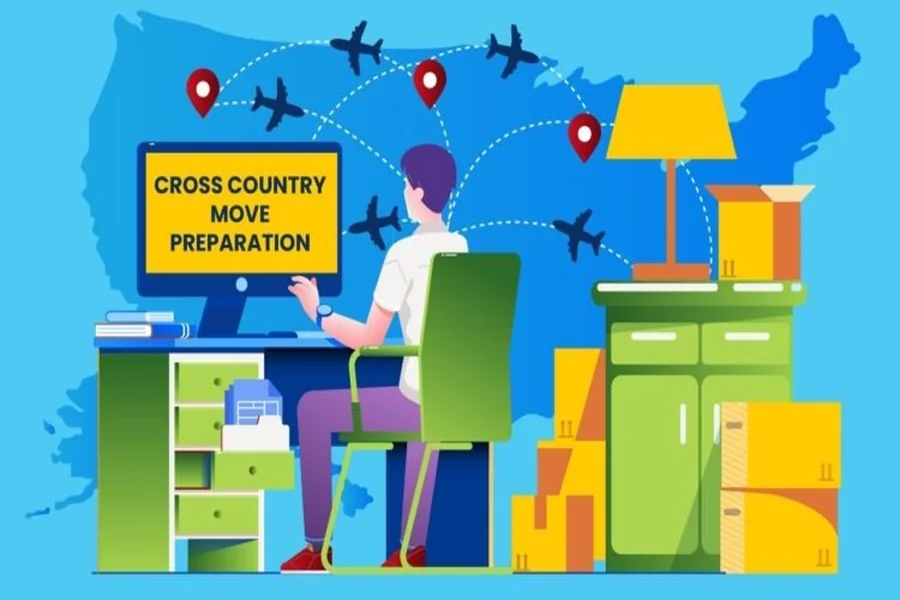
The experience of moving to a new country on your own presents distinct challenges. Your daily schedule disappears along with your network of friends and your familiar environment, which provides you with security. The experience offers you a rare opportunity that few people have. A clean slate. A chance to rebuild with purpose. The transition process becomes both manageable and meaningful when you handle it with clear direction and consistent work.
The following guide provides you with essential mental, emotional, and practical steps to maintain your strength during your new beginning.
Prepare Yourself Mentally Before the Move
The experience of moving alone across long distances creates both intense anxiety and deep anticipation. Accepting both emotions simplifies your journey. Your feelings of being overwhelmed do not make you weak, and your optimistic outlook does not indicate naivety. The two emotions exist together without eliminating each other.
Begin by establishing your core reason for moving. Your motivation for moving could be to find better prospects, experience a more relaxed way of life, or create a fresh start. Please write it down for future reference. The bigger picture will serve as your reminder when you encounter challenging times.
Establish realistic targets for your expectations. The initial period after your move will be uncomfortable. The absence of familiar people, places, and predictable routines will create a sense of discomfort. This is normal. A brief plan for building resilience will help you. Maintain a journal while you establish regular phone contact with trusted friends and establish rules to protect yourself from negative influences. Your mental health is as essential as all other aspects of your relocation.
Practical Planning to Reduce Stress
The lack of planning for specific details increases stress levels. A well-defined structure protects your time and energy while preventing unnecessary panic.
Begin by establishing your budget. The cost of moving across the country exceeds what most people anticipate. Total expenses rise rapidly when you add packing materials to your list, along with deposits, travel expenses, and emergency funds. Create a reserve fund to prevent unexpected financial shocks.
Begin by organizing your personal items. The process of downsizing your belongings brings both practical benefits and emotional liberation. Determine which items from your past life will benefit your current life, and which possessions hold you back through routine.
Begin your logistical work at the start of your process. Update your address when requesting medical records and utility shutoffs, and consolidate all essential documents into one location.
Organize your packing by item categories rather than by specific rooms. A small container containing basic items should be ready for your first evening in your new home. The presence of essential items in your new space will create a sense of stability during your time of transition.
Partnering With Professional Movers to Lighten the Load
The process of moving on your own does not require you to handle everything yourself. Professional movers help you eliminate most of the physical work and mental stress from your relocation, especially when you’re dealing with long-distance logistics that usually call for cross-country movers.
The team safeguards your possessions throughout the entire journey. The team takes all the weight off your shoulders. The team provides you with essential time, which becomes your most valuable resource while you deal with your current overwhelming situation.
The search for an appropriate moving company requires your full dedication. Your first step should be to verify both the company’s licenses and its insurance coverage. Look for reviews that present authentic customer stories instead of generic positive statements. The company should provide detailed pricing information that explains all costs and any potential additional fees.
The physical work of movers enables you to concentrate on your emotional shift during this time. You can use this time to relax while handling paperwork or taking deep breaths. Your ability to start strong improves when you avoid wearing yourself out by trying to handle everything yourself.
Building Strength Through the Move Itself
Moving day creates chaos regardless of how well you prepare in advance. The solution to manage this situation involves maintaining composure while maintaining control of vital items.
Keep essential items by your side at all times. Your important documents, medications, chargers, toiletries, valuable items, and a set of replacement clothes should stay with you. Your sense of anxiety decreases when these essential items remain within reach.
The time between your previous residence and your new home creates an unusual sensation. Your connection to both locations remains incomplete at this moment. The short-term nature of this transitional period brings emotional challenges to people. The discomfort you’re experiencing will pass because it’s a sign of your progress toward something new. Your journey leads you toward new experiences rather than forcing you to leave everything behind.
Adjusting to Your New City
The environment will seem strange to you when you first step into your new location. Adapting to your new environment becomes faster when you establish daily routines.
Identify your essential locations. A coffee shop serves as your comfortable space. The grocery store operates according to your understanding of its layout. The park provides a place to sit while you think. These tiny locations establish a sense of stability.
Stay connected with others instead of spending time alone. You should exit your home even though you do not need to become social right away. Explore your neighborhood while attending local events and taking classes. Your ability to recognize people in your new city will grow, reducing your feelings of unease about the area.
Handling the Emotional Rollercoaster
The process of moving alone creates different emotional responses throughout your journey. Your emotions will shift between confidence and self-doubt about your relocation choice. These emotional changes are typical for everyone.
The first 30 days are the most challenging because you must adapt to everything new. Your daily routines begin to develop over the next 60 days. The unfamiliar aspects of life become easier to handle after reaching the ninety-day mark. Monitor your emotions because this will help you understand your personal development.
The distinction between feeling alone and being out of sync with your environment matters. Loneliness exists as a short-term condition. The need to address fundamental issues emerges when someone experiences misalignment. Your ability to distinguish between these two states helps you prevent hasty choices.
Establish basic yet regular coping methods to help you manage your emotions. Walking, journaling, hobbies, and spending quiet mornings together serve as effective coping mechanisms. Small daily routines help you develop emotional balance.
Your timeline should not match anyone else’s, because starting over is a personal experience. Starting over is personal. No two paths look the same.
Reinventing Yourself With Intention
People rarely get the chance to begin again, so they should use this opportunity with intention.
Create habits that you have been planning to establish. Your goals include exercising regularly, preparing meals at home, selecting new clothing styles, and improving your time management skills. Small changes made consistently lead to significant results.
Establish fresh targets for your personal development and professional growth. The change in your environment allows you to set new goals that align with your current situation.
Create your personal space by making your home environment your own. You can achieve an individual look without spending money on expensive decorations. Adding minor elements throughout your space will create a sense of comfort and confidence. Your growth as an independent person becomes more evident when your environment displays your developing identity.
When to Reach Out for Support
Knowing your limits when seeking assistance strengthens you. When you experience prolonged feelings of numbness, overwhelming emotions, and mental exhaustion, you should consider seeking professional help. Therapy, along with online communities and local groups, provides you with essential support to find stability.
Seeking assistance does not indicate any failure in your life. Your commitment to wellness becomes evident when you take action to handle your mental health needs.
Conclusion
Moving to a different state on your own requires you to grow as a person. You must surrender your familiar environment to develop your ability to withstand challenges. Your journey through this unfamiliar territory demonstrates your ability to learn, adapt, and start anew.
Your current strength exceeds what you believe about yourself. Keep moving forward. You are building an existence that fully reflects your personal identity. Your determination and patience will transform this transition into a process that develops your self-determination and stability.