
Eco-Friendly Home Improvement Ideas for Sustainable Living
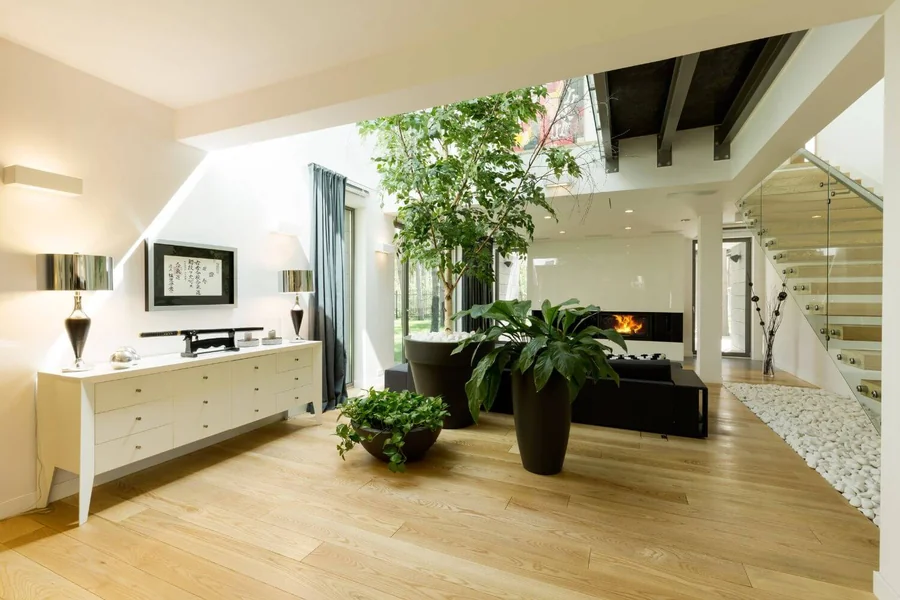
Eco-Friendly Home Improvement Ideas for Sustainable Living are becoming increasingly important as more people look for ways to reduce their environmental impact while improving their homes. Today, home upgrades are not just about style and comfort—they are also about making responsible choices that benefit both your household and the planet.
Sustainable home improvement focuses on using resources efficiently, minimizing waste, and choosing materials that are safe and environmentally friendly. The best part is that many of these changes can also save money over time through lower energy bills and reduced maintenance costs.
In this article, we’ll go through practical and effective eco-friendly ideas that can help you create a greener and more sustainable living space.
Upgrade to Energy-Efficient Lighting
One of the simplest ways to make your home more eco-friendly is by improving your lighting. Traditional bulbs consume more energy and need to be replaced frequently.
Switching to LED lighting is a smart choice. LED bulbs use significantly less electricity and last much longer than standard bulbs, reducing both energy consumption and waste. Pairing these upgrades with competitive chicago energy rates can help homeowners and businesses maximize their overall energy savings.
You can also make better use of natural light by keeping windows clean and using light-colored curtains. This reduces the need for artificial lighting during the day.
Installing motion sensors or smart lighting systems can further improve efficiency by ensuring lights are only used when needed. Styletohome focuses on combining aesthetics with functionality, making home improvement more meaningful and long-lasting.
Use Sustainable and Recycled Materials
Choosing the right materials is a key part of eco-friendly home improvement. Sustainable materials are those that have a lower impact on the environment during production and use.
Reclaimed wood, bamboo, and recycled metal are popular choices for furniture and construction. These materials not only look stylish but also reduce the demand for new resources.
Low-VOC (volatile organic compound) paints are another great option. They improve indoor air quality and are safer for your health.
Even small choices, like using recycled décor items or repurposing old furniture, can make a difference.
Adopting energy-efficient systems is a cornerstone of sustainable living, as these upgrades significantly reduce a household’s overall carbon footprint. Beyond simply swapping lightbulbs, homeowners are increasingly looking at the efficiency of their climate control systems to ensure long-term savings and environmental responsibility. Researching local experts at https://www.semperfiheatingcooling.com/heating-cooling-peoria-az/ can provide clarity on which modern units best align with green building standards and regional energy demands. These proactive adjustments help create a more resilient home while minimizing reliance on non-renewable resources. By prioritizing performance and ecological impact, families can enjoy a healthier indoor environment and contribute to a cleaner, more sustainable future for the entire community.
Improve Insulation and Energy Efficiency
A well-insulated home is essential for reducing energy consumption. Poor insulation allows heat to escape in winter and enter in summer, increasing the need for heating and cooling.
Upgrading insulation in walls, roofs, and windows can significantly improve energy efficiency. Sealing gaps and cracks also helps maintain a stable indoor temperature.
Energy-efficient windows, such as double-glazed options, provide better insulation and reduce energy loss.
These improvements not only make your home more comfortable but also lower your energy bills over time.
Install Water-Saving Fixtures
Water conservation is another important aspect of sustainable living. Installing water-saving fixtures can help reduce water usage without compromising functionality.
Low-flow showerheads, faucets, and toilets are designed to use less water while maintaining performance.
Fixing leaks promptly is also essential. Even small leaks can waste a significant amount of water over time.
Collecting rainwater for gardening or outdoor use is another eco-friendly practice that can reduce reliance on municipal water supplies.
These changes contribute to both environmental conservation and cost savings.
Add Green Spaces and Indoor Plants
Incorporating greenery into your home is a simple yet effective way to enhance sustainability. Plants improve air quality and create a calming environment.
Indoor plants can help filter pollutants and increase oxygen levels. They also add a natural and refreshing touch to your décor.
Outdoor gardens or small green spaces can provide additional benefits, such as reducing heat and supporting local biodiversity.
Even if space is limited, you can use vertical gardens or potted plants to bring nature into your home.
This connection with nature is an important part of sustainable living.
Choose Energy-Efficient Appliances
Appliances play a major role in household energy consumption. Upgrading to energy-efficient models can significantly reduce your environmental impact.
Look for appliances with high energy ratings, as they use less electricity and water. Examples include refrigerators, washing machines, and air conditioners.
While these appliances may have a higher upfront cost, they save money in the long run through lower utility bills.
Using appliances responsibly, such as turning them off when not in use, further enhances efficiency.
This combination of smart choices and habits leads to a more sustainable home.
Reduce Waste and Reuse Materials
Reducing waste is a key principle of eco-friendly home improvement. Instead of discarding items, consider reusing or repurposing them.
Old furniture can be refurbished, and leftover materials from previous projects can be used creatively.
Recycling is another important practice. Properly sorting and disposing of waste ensures that materials can be reused rather than ending up in landfills.
Composting organic waste is also a great way to reduce household waste while creating nutrient-rich soil for plants.
These practices help create a more sustainable and responsible living environment.
Final Thought
Eco-Friendly Home Improvement Ideas for Sustainable Living show that creating a greener home is both achievable and beneficial. By making thoughtful choices in lighting, materials, energy use, and waste management, you can reduce your environmental impact while improving your quality of life.
Sustainable living is not about making drastic changes all at once. It’s about taking small, consistent steps that add up over time.
With the right approach, you can create a home that is not only stylish and comfortable but also environmentally responsible. These improvements benefit not just your household but also the planet as a whole.
FAQs
What are eco-friendly home improvement ideas for sustainable living?
They are upgrades that reduce environmental impact, such as energy-efficient lighting and sustainable materials.
How can I make my home more energy-efficient?
You can improve insulation, use LED lighting, and upgrade to energy-efficient appliances.
Are eco-friendly materials expensive?
Some may cost more initially, but they often save money over time through durability and efficiency.
What are low-flow fixtures?
They are water-saving devices that reduce water usage without affecting performance.
Do indoor plants help with sustainability?
Yes, they improve air quality and create a healthier living environment.
How can I reduce waste at home?
You can recycle, reuse materials, and compost organic waste.
Is it difficult to switch to a sustainable home?
No, small changes can gradually lead to a more eco-friendly lifestyle.