
Enhancing Security with Car Park Bollards
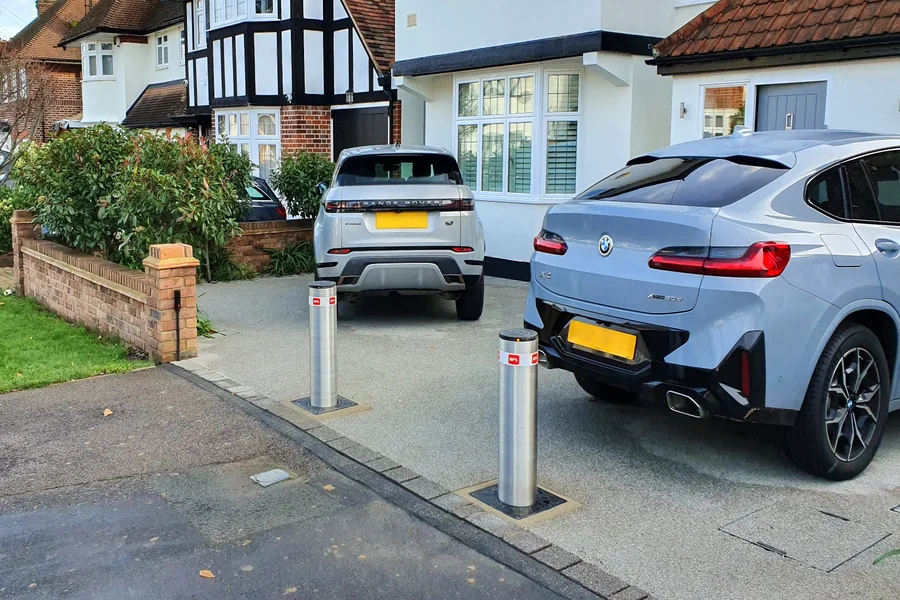
Security in car parks is an essential consideration for businesses, property managers, and public facilities. The presence of vehicles in close proximity to buildings and pedestrian walkways introduces a variety of risks. To mitigate these risks and enhance safety, car park bollards serve as an effective physical barrier while providing additional benefits such as traffic management and visual guidance.
Understanding Car Park Bollards
Car park bollards are sturdy posts installed in parking areas to control vehicle movement and protect pedestrians and infrastructure. Typically constructed from steel, concrete, or plastic, these bollards are designed to withstand impact and act as a physical deterrent against unauthorised vehicle access. Their placement can be customised according to specific security needs, ranging from protecting storefronts to delineating pedestrian zones.
Types of Car Park Bollards
There are several types of car park bollards employed to suit different security and aesthetic requirements. Fixed bollards are permanently installed and provide robust protection. Removable bollards offer flexibility in access control by allowing vehicles to enter restricted areas temporarily. Retractable bollards can be lowered into the ground when access is permitted, balancing security with convenience.
Security Benefits of Car Park Bollards
One of the primary advantages of installing car park bollards is the prevention of unauthorised vehicle entry. This is particularly important in areas where vehicle access could lead to theft, vandalism, or threats to public safety. Bollards provide a physical barrier that is difficult for vehicles to breach, reducing the risk of accidental collisions with pedestrians or buildings.
Moreover, bollards enhance the protection of critical infrastructure such as electrical boxes, fire hydrants, and signage. By preventing vehicles from parking too close or striking these assets, bollards help maintain their operational integrity and reduce repair costs.
Pedestrian Safety in Car Parks
Car park areas are shared environments where vehicles and pedestrians coexist. The risk of incidents involving pedestrians is significant in busy car parks. Installing car park bollards helps to establish designated pedestrian walkways and buffers, guiding foot traffic safely and preventing vehicles from encroaching on pedestrian zones.
This separation reduces the likelihood of accidents and contributes to a more organised and manageable parking environment. Enhanced pedestrian safety is particularly vital in locations such as shopping centres, hospitals, and educational institutions, where foot traffic is high.
Traffic Management and Organisation
Beyond security, car park bollards play a role in managing vehicular flow within parking areas. By defining clear boundaries and restricting access to certain zones, bollards facilitate orderly movement and reduce congestion. This function is beneficial for one-way systems, emergency access routes, and delivery zones that require control over vehicle access.
Additionally, bollards can be equipped with reflective materials or painted in bright colours to increase visibility. This feature aids drivers in manoeuvring safely, especially during low-light conditions or adverse weather.
Material Considerations
The choice of material for car park bollards depends on the required level of security and aesthetic preferences. Steel bollards offer high impact resistance and durability, making them suitable for high-security applications. Concrete bollards provide substantial mass and are often used where permanence is desired.
Plastic or polymer bollards serve well in low-impact environments, offering flexibility and ease of installation. Some models are designed to be filled with water or sand to provide additional stability. Selecting the right material ensures that the bollards meet the intended security standards while complementing the surrounding environment.
Installation Best Practices
Proper installation of car park bollards is essential to optimise their security function. Bollards should be strategically positioned to protect vulnerable points without obstructing regular vehicle or pedestrian movement. Professional assessment of the car park layout and potential risk areas can inform placement decisions.
Furthermore, the depth of installation affects the bollard’s ability to withstand vehicle impact. Typically, bollards are embedded into the ground with concrete foundations to ensure stability and resistance to force.
Maintenance and Longevity
Maintaining car park bollards ensures their continued effectiveness and appearance. Regular inspections can detect damage caused by vehicle impacts or environmental factors. Prompt repairs or replacements prevent weakened bollards from compromising security.
Applying protective coatings or paint can minimise corrosion, particularly for metal bollards exposed to weather. A maintenance schedule tailored to the specific conditions of the car park will extend the service life of the bollards and maintain the overall safety of the area.
Compliance and Standards
Many jurisdictions have regulations governing the installation of safety features in car parks. Ensuring that car park bollards comply with these standards is crucial for legal and insurance purposes. Standards may dictate bollard dimensions, materials, installation depth, and visibility requirements.
Consulting with local authorities or security experts can assist in adhering to applicable guidelines, thereby delivering a compliant and safe car park environment.
Enhancing Security with Modern Technologies
Car park bollards are increasingly integrated with technology to enhance security management. Features such as automated retractable systems, remote control operation, and sensor detection improve access control and response times. These advancements allow for dynamic security measures, adapting to changing situations in real time.
Conclusion
Car park bollards represent a practical and effective means of enhancing security in parking areas. By serving as physical barriers, they prevent unauthorised vehicle access, protect infrastructure, and improve pedestrian safety. Additionally, bollards contribute to orderly traffic management and can be customised to meet diverse security needs.
Choosing the appropriate type, material, and installation method is vital to maximise the benefits of car park bollards. Ongoing maintenance and compliance with regulatory standards support the sustained safety of car park environments.
For more information and a range of options, it is worthwhile to explore specialised providers of car park bollards, ensuring a solution tailored to specific security and organisational objectives.