
How Digital Technology Is Changing Everyday Entertainment in the US
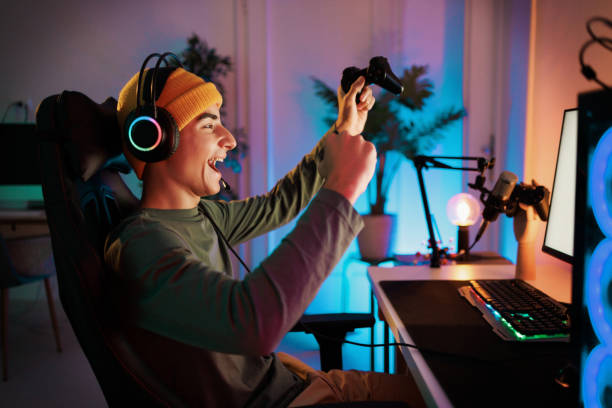
Digital technology has changed entertainment in the US by making familiar activities easier to access through computers, smartphones, and connected devices. Virginia residents who want to play lottery games online can use the Virginia Lottery’s How to Play Online page to learn about creating an account, adding funds, buying eligible games, managing winnings, and using the state’s official online platform. From streaming television at home to playing games on a phone, these digital options are giving people more control over when, where, and how they spend their leisure time.
Entertainment Is Becoming More Accessible
Entertainment once depended heavily on specific locations, schedules, and physical media. People planned evenings around television broadcasts, visited stores to rent movies, or traveled to venues to access certain activities. Digital services have reduced many of these restrictions by making entertainment available whenever a compatible device and suitable internet connection are available.
This accessibility has also expanded the number of ways people can fill short periods of free time. Someone might watch a video during a lunch break, listen to a podcast while traveling, or play a mobile game for a few minutes at home. Entertainment no longer has to be a separate event because it can fit more easily into an existing routine.
Streaming Has Changed Viewing Habits
Streaming platforms have transformed how Americans watch movies, television programs, documentaries, and other video content. Instead of waiting for a scheduled broadcast, viewers can choose from large libraries and start watching at a convenient time. This shift has made on-demand access an expected feature of modern entertainment.
The change has also affected how households use televisions and other screens. Smart TVs, streaming devices, tablets, and phones let people watch the same content in different rooms or while away from home. Viewers can move between devices more easily, making entertainment less dependent on a traditional television setup.
Smartphones Have Created New Opportunities
Smartphones have placed a wide range of entertainment options into a device that many people already carry throughout the day. Music, videos, games, books, podcasts, social platforms, and other services can all be accessed from a single screen. Improvements in mobile processors and displays have also allowed phones to handle increasingly sophisticated entertainment applications.
Mobile technology has encouraged developers to design experiences specifically around shorter and more flexible periods of use. Touch controls, notifications, saved progress, and simple navigation can make an application convenient to use without requiring a lengthy setup process. These design choices reflect the growing expectation that digital entertainment should adapt to the user’s schedule.
Gaming Has Expanded Beyond Traditional Consoles
Video games were once strongly associated with dedicated consoles, home computers, and arcades, but the modern gaming market is much broader. Smartphones, tablets, browsers, cloud services, and connected televisions can now provide access to many types of games. This variety has introduced gaming to people who may never have considered buying dedicated gaming hardware.
Digital distribution has also changed the experience for established players. Players can buy and download games without visiting a physical store, and updates can add new features after release. Online connectivity also allows players to compete, cooperate, and communicate with other people across different locations.
Music and Audio Are More Personalized
Digital technology has significantly changed how people discover and listen to music. Streaming services can provide access to extensive catalogs without requiring listeners to purchase individual CDs or downloads. Users can search for particular artists, create playlists, or move between different styles of music within seconds.
Audio entertainment has also expanded beyond music through the popularity of podcasts, audiobooks, and other spoken content. These formats work particularly well during activities that do not require constant visual attention, such as commuting, exercising, or completing household tasks. As a result, entertainment can occupy parts of the day that were previously difficult for visual media to reach.
Social Media Has Become Entertainment
Social media platforms were initially associated primarily with communication and sharing personal updates, but entertainment now plays a major role in how they are used. Short videos, livestreams, comedy, educational clips, interviews, and creator content can keep users engaged without requiring them to visit separate entertainment websites. Recommendation systems can continuously present content based on previous viewing behavior and interactions.
This model has also lowered some barriers between entertainment creators and their audiences. Independent creators can publish content directly without needing access to traditional television networks, publishers, or production companies. Audiences can respond through comments, shares, reactions, and live interactions, creating a more participatory form of entertainment.
Digital Payments Support Online Entertainment
Many forms of digital entertainment depend on payment systems that operate almost invisibly in the background. Consumers may pay for subscriptions, individual purchases, additional game content, event access, or other services using cards and supported digital payment methods. Secure payment technology helps make these transactions possible without requiring an in-person exchange.
Account-based systems can also make repeat transactions more convenient by keeping relevant information connected to a user’s profile. Platforms may allow people to review purchases, manage subscriptions, change payment details, or access previously purchased content from one account. These features have become an important part of the overall digital entertainment experience.
Technology Is Making Entertainment More Personal
Personalization is another major difference between traditional and digital entertainment. Streaming services, music platforms, gaming applications, and social networks can use account activity to organize content or recommend options that may match a user’s interests. Instead of presenting everyone with exactly the same selection, digital services can create experiences that feel more individually relevant.
Personalization can save time when large amounts of content are available, but it also makes user control important. People benefit from being able to adjust preferences, manage privacy settings, and explore content outside automated recommendations. Effective platforms balance useful personalization with enough choice for users to decide what they actually want to see or hear.
The Future Will Be Increasingly Connected
New technologies are likely to make the boundaries between different forms of entertainment less distinct. Faster networks, cloud computing, connected devices, virtual experiences, and improved software can allow content to move more smoothly between screens and platforms. A single entertainment experience may increasingly combine video, gaming, social interaction, and live participation.
Convenience will remain an important part of this development, but reliability and security will matter just as much. Consumers expect entertainment services to protect account information, process payments appropriately, and function consistently across supported devices. Companies that meet these expectations will be better positioned as digital entertainment continues to develop.
Conclusion
Digital technology has changed everyday entertainment in the US by making content and activities more accessible, flexible, connected, and personalized. Streaming, mobile devices, online gaming, digital audio, social platforms, and modern payment systems have all contributed to a world where entertainment can fit around individual schedules rather than requiring people to organize their schedules around it. As technology continues to improve, the next stage of entertainment is likely to focus even more heavily on convenient access, connected experiences, and giving users greater control over how they spend their leisure time.