
How Does Pico Laser Work: Mechanism, Benefits, and Applications
Skincare is an essential component of maintaining healthy skin, preventing damage from environmental factors, and combating the signs of ageing. A consistent regimen protects, hydrates, and revitalises the skin, contributing to overall vitality and confidence. In recent years, technological advancements have revolutionised aesthetic treatments, and one such innovation is Pico Laser treatment, a powerful tool for addressing a variety of skin concerns. To understand its mechanism in detail, exploring how does Pico Laser work provides insights into the technology, procedure, and benefits it offers.
Pico Laser technology uses ultra-short pulses of energy—measured in picoseconds—to target pigmentation, acne scars, and other imperfections. Unlike traditional lasers, which rely on longer pulse durations and can generate excessive heat, Pico Laser delivers precise energy bursts that minimise damage to surrounding tissues. This approach enhances safety, reduces downtime, and promotes faster, more effective skin rejuvenation.
What is Pico Laser Treatment?
Pico Laser treatment is a non-invasive procedure designed to improve skin tone, texture, and overall appearance. The laser works by emitting ultra-short energy pulses that break down pigment into tiny particles. The body then naturally eliminates these particles, resulting in clearer skin. Additionally, the treatment stimulates collagen production, improving firmness and elasticity, which contributes to a more youthful complexion.
The technology behind Pico Laser has evolved, combining advanced optics and precision engineering to deliver effective outcomes with minimal discomfort. Its versatility allows it to target multiple skin concerns simultaneously, making it a popular choice for aesthetic professionals and patients alike.
How Pico Laser Works
Pico Laser functions through a process called the photomechanical or photoacoustic effect. When the laser energy is delivered to the skin, it penetrates the pigment or scar tissue and shatters it into microscopic particles. Because the pulses are extremely brief, heat transfer to surrounding tissues is minimal, reducing the risk of burns or inflammation.
The treatment also promotes collagen synthesis by creating controlled micro-injuries in the skin. These micro-injuries trigger the body’s natural healing response, stimulating collagen and elastin production. Over time, this process improves skin texture, reduces fine lines, and enhances elasticity.
Benefits of Pico Laser Treatment
Pico Laser offers a range of benefits for various skin conditions. It effectively treats pigmentation irregularities, such as sun spots, freckles, and melasma, producing a more uniform complexion. Acne scars and post-inflammatory marks are also reduced as the laser remodels the skin and promotes tissue regeneration.
The treatment contributes to skin rejuvenation, improving overall tone, texture, and radiance. Fine lines and wrinkles are diminished, while enlarged pores appear smaller, resulting in smoother and firmer skin. The non-invasive nature of Pico Laser means minimal downtime, allowing patients to resume their daily routines shortly after treatment.
Who is an Ideal Candidate?
Pico Laser is suitable for a wide range of skin types and conditions. Individuals with pigmentation concerns, acne scars, uneven skin texture, or early signs of ageing may benefit significantly. The treatment is minimally invasive, making it appropriate for those seeking improvements without surgical procedures.
Before undergoing treatment, a consultation with a dermatologist or certified professional is essential. This step ensures that the patient’s skin type and condition are evaluated, potential risks are discussed, and a customised treatment plan is created for optimal outcomes.
What to Expect During a Pico Laser Session
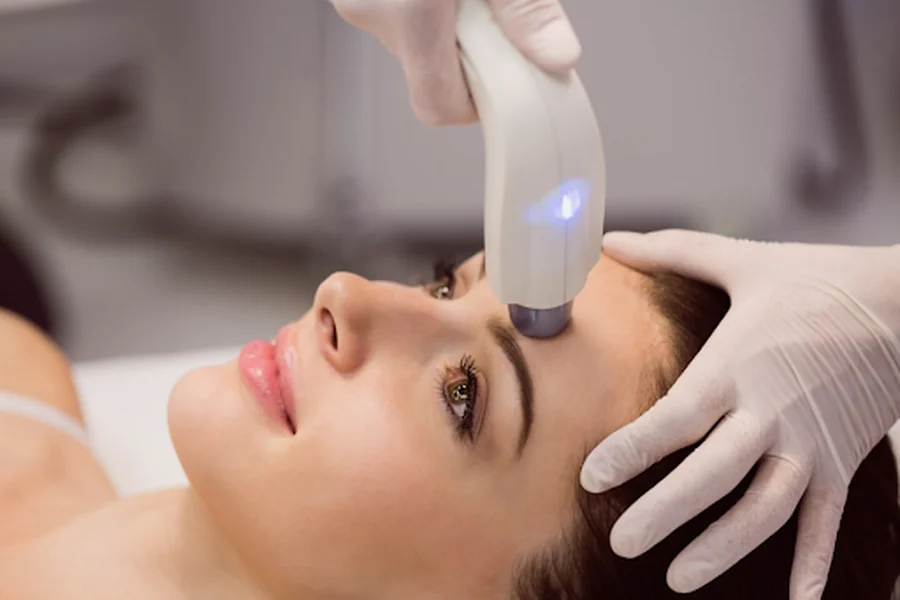
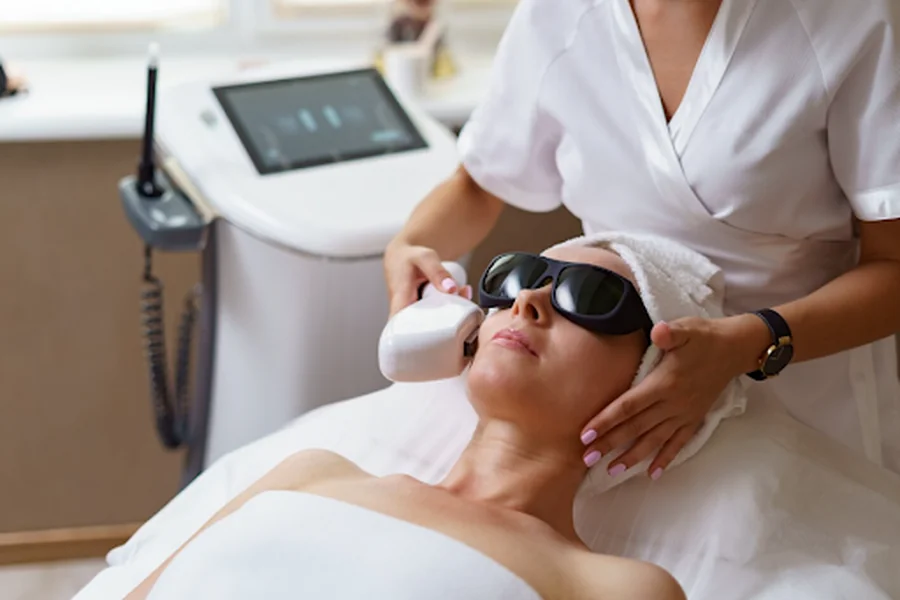
A typical Pico Laser session begins with an assessment to identify targeted areas and determine suitable laser settings. During the procedure, the laser handpiece is applied to the skin, delivering precise energy pulses to the affected areas. Most sessions are quick, with minimal discomfort, often described as a slight tingling sensation.
After treatment, patients may experience mild redness or sensitivity, which usually subsides within a few hours to days. Post-treatment care involves gentle cleansing, moisturisation, sun protection, and avoiding irritants to maintain results and minimise complications. Multiple sessions may be required depending on the severity of the condition and desired outcomes.
Potential Risks and Considerations
Pico Laser is generally safe when administered by trained professionals. Side effects are typically mild and temporary, including redness, swelling, or slight discomfort. Serious complications are rare, but following aftercare instructions is crucial for achieving optimal results. The benefits—improved skin clarity, reduced scars, enhanced firmness, and overall rejuvenation—often outweigh potential risks when treatments are conducted appropriately.
Conclusion
Pico Laser represents a significant advancement in aesthetic dermatology. By delivering ultra-short pulses of energy, it effectively addresses pigmentation, acne scars, wrinkles, and uneven skin texture while minimising damage to surrounding tissues. Its precision and versatility make it a safe and efficient option for individuals seeking clearer, smoother, and more youthful-looking skin.
Through proper consultation, personalised treatment planning, and diligent aftercare, Pico Laser can provide long-lasting results with minimal downtime. As this technology continues to evolve, it is likely to remain an integral component of modern skincare, offering patients an effective, non-invasive solution for a wide range of skin concerns.
Pico Laser FAQs
What does a Pico Laser do?
A Pico Laser delivers rapid pulses of energy to break down skin pigment, promoting smoother skin and treating pigmentation, acne scars, and tattoos.
Is Pico Laser safe?
Yes, it is generally safe with minimal side effects such as redness or swelling. Safety is maximised when administered by trained professionals.
How many sessions are needed?
The number of sessions depends on the condition being treated and its severity. Multiple sessions may be required for optimal results.
How long do the results last?
Results can last several months to a year, depending on skin type, condition, and adherence to skincare routines.