
How Does the Right Cooling Setup Change the Way You Camp and Travel
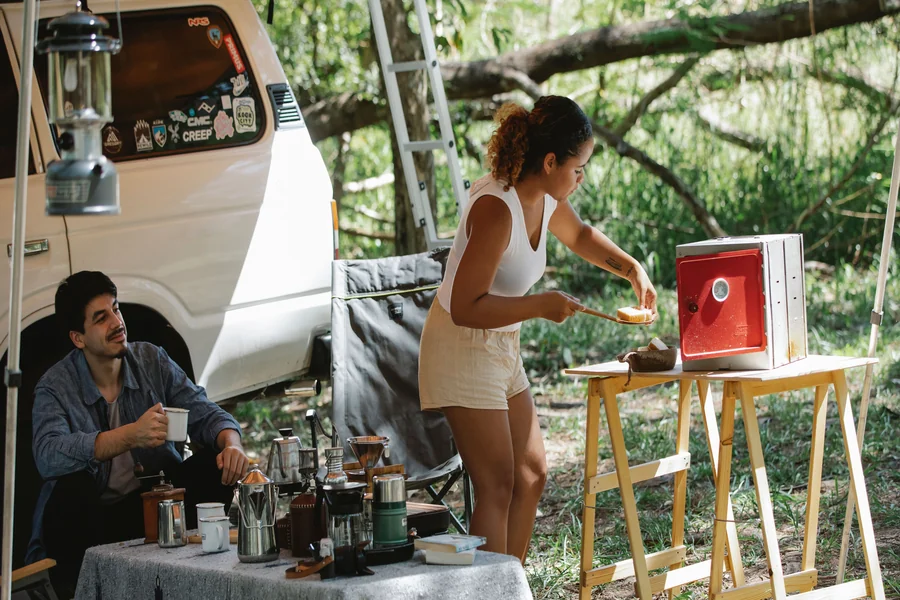
Going on a camping trip can be a challenge if it means having to find new ways of keeping your food and drinks fresh and cool day after day. Ice melts, water builds up in the bottom of the cooler, and food becomes buried under cans and containers of drinks.
On a longer road trip, there’s also the challenge of finding ways to keep fresh food at a cool temperature without stopping every few hours for supplies.
The right cooling setup can transform your camping and road trip experience, allowing you to enjoy refreshing beverages and safe, delicious meals without worrying about spoilage or frequent stops to restock, no matter where the adventures take you.
If you’re planning your next road trip and outdoor travel adventure, here is how the right cooling setup changes the way you camp and travel.
1. Keep Food Cool Without Relying On Ice
Traditional coolers depend on ice to cool the interior and keep food fresh. That’s easy enough on a short trip, but it becomes a little more cumbersome when you plan a trip for several days. Melted water takes up space, food can get wet, and you’ll need to keep buying more ice along the way.
However, a portable fridge freezer is different in that it uses an electric compressor cooling system that moves heat out of the storage compartment. The compressor lowers the temperature in the chamber, allowing the unit to keep food cool and fresh for longer periods.
Many portable fridge models work off 12 V or 24 V power supplied from your vehicle (main battery). Some can also be powered from mains AC power via an adapter. This means you get a more consistent way of keeping your fruits, vegetables, beverages, and other perishable items cool and fresh without worrying about running out of ice.
2. Portable Freezer Allows You to Make Better Use of Limited Storage
Space is always at a premium in the back of a car, SUV, campervan, or RV. Regular coolers can take up quite a bit of space, and you’ll use up some of that space on ice packs or loose ice in the bottom of the compartment. But a powered fridge freezer uses its internal storage more efficiently to store and keep your food and beverages cool and fresh.
Capacity can be easily matched to your trip length and the number of people you’re travelling with. Smaller units are perfect for shorter trips with one or two people, while larger capacity units make more sense when you’re travelling with a larger group of people for longer trips.
Internal baskets and compartments also help with organization, so you can keep different types of food and drinks together without sifting through layers of ice. You can have your beverages together, fresh ingredients in one section, and frozen foods in another, all without having to go digging for them once you arrive at your destination.
3. Get Separate Cooling and Freezing in One Setup
Sometimes you might need to keep more than just your beverages cold for an extended trip. Your meat, frozen meals, ice cream, bait, or other items might require lower temperatures than your fridge can provide.
That’s where dual zone cooling can really be an asset. A dual-zone fridge freezer has two separately controlled sections, which can be used as a refrigerator and freezer. This gives you a little more flexibility when planning your meals, as your fresh ingredients can be kept cold, while your frozen foods can remain frozen while travelling.
Many dual-zone units have a removable divider, allowing you to reconfigure the compartments if needed. Control over the temperatures is also beneficial. Instead of waiting to see how much ice remains, the compressor can be set to your desired temperature setting, which will be displayed digitally or through a wireless app in some models.
4. Spend Less Time Managing the Campsite Kitchen
Food prep becomes a whole lot easier when you have the right ingredients stored in the right place. A cooler with melted ice means you’ll need to remove everything from the cooler to find the one thing you need for your next meal.
But with the right cooling system, you can pack ingredients before you leave, keep them at the desired temperature during the journey, and open the fridge once you arrive.
Depending on your campsite kitchen setup, you might decide to leave the fridge in the vehicle, under an awning, or in another area of your campsite. This also means you need less planning for your meals. Instead of having to spread ingredients out across multiple coolers, you can keep all your fresh ingredients together.
If you’re a frequent camper, you’ll notice the difference immediately. Less time spent on managing cool ice and replacing ingredients means more time in the kitchen or the outdoors.
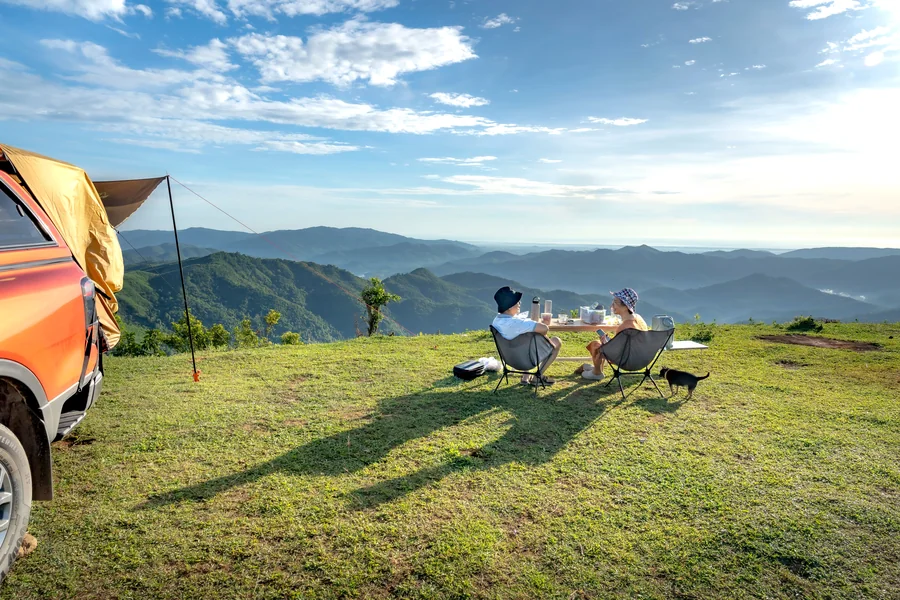
5. Allows You to Build a Cooling System Around Your Power Setup
Cooling performance is determined by more than just the refrigerator. Power management is a significant issue, especially on multi-day trips away from the main power supply.
Fridges are often connected to the vehicle’s electrical system, and some setups are compatible with auxiliary batteries and solar power. Compressors in portable freezers usually have a built-in cycle to reduce continuous power draw. Once the desired temperature in the cabinet is reached, the compressor can reduce pressure until more coldness is required.
Insulation also matters for energy use. Better insulated cabinets lose less cold air when it is hot outside, helping the cooling system retain the desired temperature. For longer trips, consider the battery capacity, cable length, ventilation around the compressor, and the fridge location. With a good setup, you can have good cooling without stressing the starting battery of the vehicle.
Final Thoughts
The right cooling setup can change your approach to a camping or road trip from the moment you start packing up your vehicle. It’s a setup that means you won’t need to rely on ice and replacing supplies along the way to have fresh or frozen food at the right temperature.
A portable freezer is also more convenient, makes the most of your storage space, and works well with your power system. The best choice depends on trip length, group size, available storage, power capacity, and the type of food being carried. Once you make those needs clear, choosing the right cooling system becomes much simpler.