
How to Choose the Right Commercial Water Treatment System for Your Business
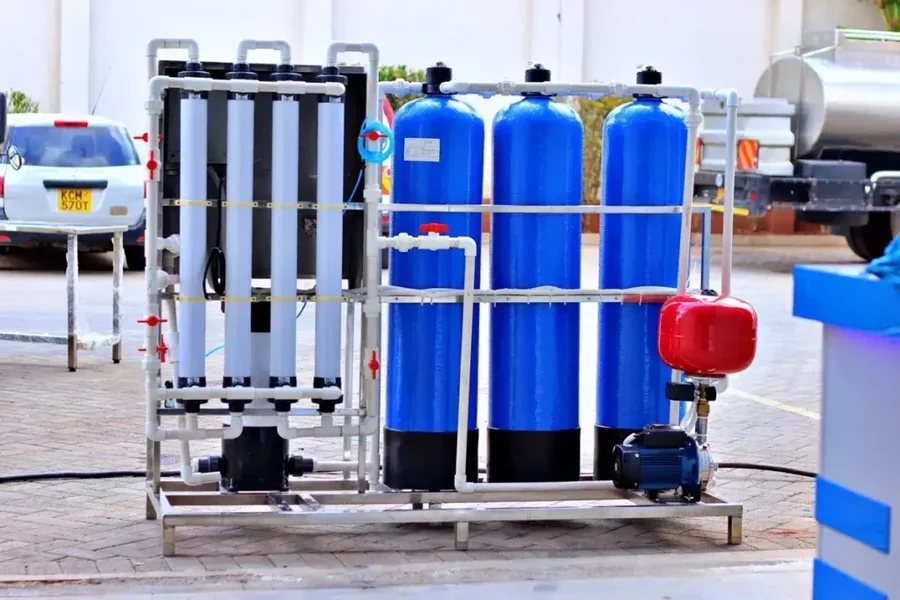
Reliable water quality is essential for every business that depends on consistent operations and customer trust. Whether your facility deals with food preparation, manufacturing, or hospitality, the water you use influences safety, efficiency, and product performance. Many business owners underestimate how much impurities or mineral levels can affect equipment lifespan and output quality.
That’s why investing in the right system creates long-term value beyond basic filtration or softening solutions. Selecting a commercial water treatment system requires more than choosing a product; it’s about understanding your water profile and your facility’s unique requirements. The right decision saves costs, improves compliance, and protects both people and equipment.
Assess Your Water Quality and Source
Understanding where your water comes from sets the foundation for every decision that follows. Municipal supplies are treated to meet public standards, but they may still contain elements that harm industrial systems or sensitive applications. Groundwater sources, on the other hand, tend to have higher concentrations of minerals or metals that can impact performance. A professional water analysis identifies the precise composition of your supply. It detects hardness, chlorine levels, sediment, pH balance, and contaminants such as iron or organic matter. With this insight, you can tailor a solution that delivers clean, consistent water suited to your operations.
When considering the best options for your business, it’s crucial to evaluate the specific needs and constraints of your operation. A flexible solution can be invaluable, especially for businesses that require mobility or have space limitations. For those in need of adaptable systems, a portable wastewater treatment plant offers a practical and efficient alternative. These systems are designed to provide high-quality treatment while being easy to transport and install. To ensure your business remains compliant and environmentally responsible, get your portable wastewater treatment plant today and experience the benefits of a tailored water management solution that grows with your needs.
Match the System to Your Industry Needs
Different sectors require different water standards. A food production facility may prioritize purity and taste, while a manufacturing plant might focus on corrosion control and reliability. Healthcare environments usually demand systems that support sterilization and hygiene. By aligning your choice with industry norms, your facility stays compliant and avoids unexpected downtime. Start by outlining your daily water usage patterns, quality goals, and regulatory requirements. Then, evaluate treatment options such as filtration, disinfection, ion exchange, or reverse osmosis.
Consider System Capacity and Scalability
Water needs grow as businesses expand or diversify their operations. A system that fits your current load may not sustain increased production in the future. Choosing a setup that allows easy upgrades or modular expansion avoids costly replacements later. Consult experts who can estimate both present and projected demand accurately. The right capacity ensures efficiency and stable water pressure while minimizing waste. Investing in scalability gives you the flexibility to adjust to seasonal changes, new equipment, or facility upgrades without compromising performance.
Evaluate Energy Efficiency and Maintenance
Energy consumption directly affects your utility expenses and environmental footprint. Newer systems use advanced technology to maximize output while reducing power use. Look for controls that enable automatic adjustments and monitoring features for easy management.
Maintenance should also be practical and predictable. Filters, membranes, and resins require timely replacement or cleaning to maintain peak efficiency. Pick a system with accessible components and clear service schedules, so your team can manage upkeep without disrupting operations.
Review Total Cost and Support Services
Upfront cost is only one part of the investment. Assess long-term operating expenses such as energy use, consumables, and maintenance labor. A slightly higher initial price may make sense if it provides stronger reliability, lower operating costs, and dependable technical support. Partner with providers that offer detailed cost breakdowns and include installation, maintenance, and testing support. Regular professional checks verify that the system meets performance targets and stays aligned with changing water conditions.
With the right commercial water treatment system in place, your company gains efficiency, reduces risk, and stands prepared for growth in any market condition. Clean and consistent water supports productivity, product quality, and regulatory compliance. Reliable water systems are not just technical solutions; they are strategic investments that secure business continuity.