
Ingredient Identity and Purity Explained in Everyday Language
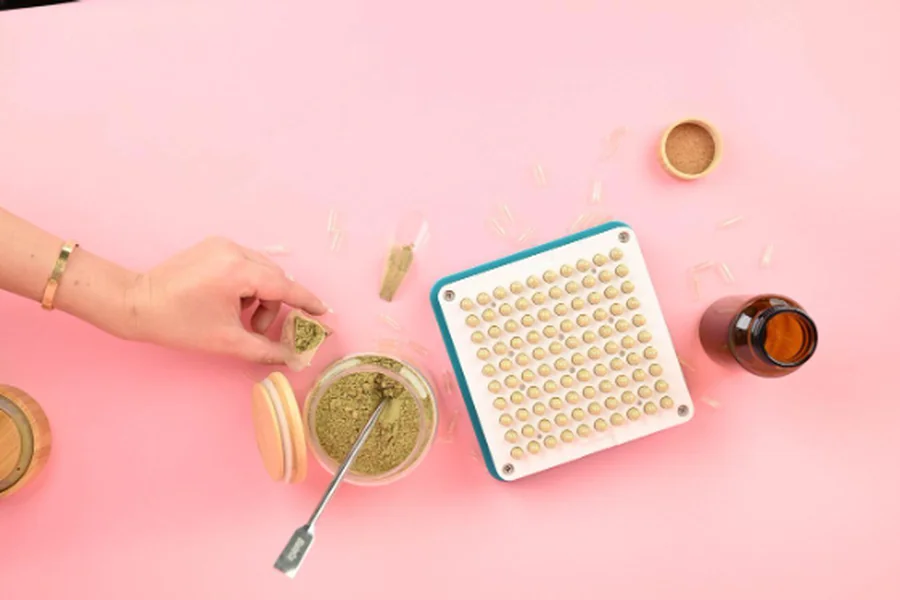
Two bottles on a store shelf can carry the same ingredient name and still contain very different things inside. One might hold exactly what the label promises, while the other carries a weaker form, extra fillers, or traces of contaminants. Understanding ingredient identity and purity helps you tell the difference before you spend money on vitamins, wellness products, or medicine bought online. The ideas sound technical, but they come down to two simple questions: is this really what the label says, and what else is mixed in?
What Do Ingredient Identity and Purity Mean?
Identity means a product contains the exact substance it claims. Purity measures how much of the product is that substance rather than something else. Ingredient identity is confirmation that a substance is chemically what its name says it is. Purity is the share of a sample made up of that substance, usually expressed as a percentage. Both ideas apply to everything from coffee and spices to vitamins and prescription drugs.
Labels you already know often promise something related but different. A USDA seal on organic coffee, for example, tells you how the beans were grown, not how pure each cup is. A supplement labeled “turmeric” might contain real turmeric root, a concentrated extract, or a cheaper look-alike powder, and the front label rarely says which.
Why Can Two Products With the Same Name Differ?
Two products with the same name can differ because the raw material, the manufacturing process, and the quality checks all vary between companies. A manufacturer in New Jersey and one overseas may start with different sources, use different equipment, and test at different stages. Two brands of fish oil, for instance, can list the same number on the front yet deliver different amounts of omega-3s. Even small choices along the way change what ends up in your hands.
The most common sources of variation include:
- Raw material source, such as wild-harvested plants versus farmed crops
- Chemical form, such as a salt version instead of the base compound
- Concentration, such as a standardized extract versus a ground powder
- Fillers and binders, such as starches that add bulk but no benefit
- Storage conditions, such as heat or moisture that break the ingredient down
What Kinds of Impurities Turn Up in Products?
Impurities usually fall into a few groups: leftover chemicals from manufacturing, contaminants from the environment, and broken-down or incomplete versions of the main ingredient. Heavy metals such as lead can enter plant-based products through soil. Solvents used during extraction can remain if a company skips proper cleanup steps. Bacteria and mold can also grow in products stored in warm, humid places.
Synthetic ingredients carry their own risks, because the process of building a molecule can go slightly wrong. Peptides offer a clear example, since manufacturers build them one amino acid at a time and each step can fail. The common impurities found in peptides include shortened chains, missing pieces, and leftover chemicals from production. That is why purity testing carries so much weight for these products.
How Do Labs Confirm What Is in a Product?
Labs confirm identity and purity by running tests that separate, measure, and identify each component of a sample. High-performance liquid chromatography (HPLC) separates a mixture into its parts so a lab can measure how much of each one is present. Mass spectrometry weighs molecules precisely, which helps confirm that the main ingredient is the right substance. Reliable labs repeat these tests on every batch rather than once.
Companies often summarize these results in a certificate of analysis (COA), a document that lists test results for a specific batch. A trustworthy COA names the testing lab, shows the batch number, and matches the product you received. Anyone considering peptide therapy for wellness should ask a licensed provider where the product comes from and whether current batch testing is available.
Can Medicines With the Same Name Contain Different Ingredients?
Yes, and weight-loss medicines offer a recent example. According to the FDA’s guidance on medications containing semaglutide, some compounded products sold as semaglutide may use salt forms such as semaglutide sodium or semaglutide acetate. Those salt forms are different active ingredients from the base form found in approved drugs.
The name on the label stays the same, yet the substance inside is not identical. The FDA also says it does not verify the safety or effectiveness of compounded drugs, so the burden falls on patients and prescribers to ask questions. Asking which form a pharmacy uses is a simple step that protects your health.
How Can You Shop for Health Products More Safely?
You can shop more safely by favoring products with independent testing, clear labeling, and a real company behind them. Third-party seals from groups such as USP or NSF International mean an outside lab checked the product against its label. Vague phrases like “proprietary blend” or “pharmaceutical grade” without proof deserve extra skepticism. Prices far below the usual market rate can also signal a problem.
Online purchases deserve the same care. Before using telehealth for weight loss, check that the platform connects you with a licensed clinician and fills prescriptions through a licensed pharmacy you can verify. Keep receipts, batch numbers, and packaging in case you ever need to report a problem.
Read Past the Front of the Label
Ingredient identity and purity decide whether a product delivers what it promises or something less. Identity confirms you are getting the right substance, while purity tells you how much of the product is actually that substance. Lab tests, certificates of analysis, and third-party seals give everyday shoppers a way to check both. The next time you buy a supplement or medicine online, look for batch testing and a verified seller before you add it to your cart. Those few extra minutes can save money and protect your health.