
London Travel Tips That Save You Time and Money in 2024
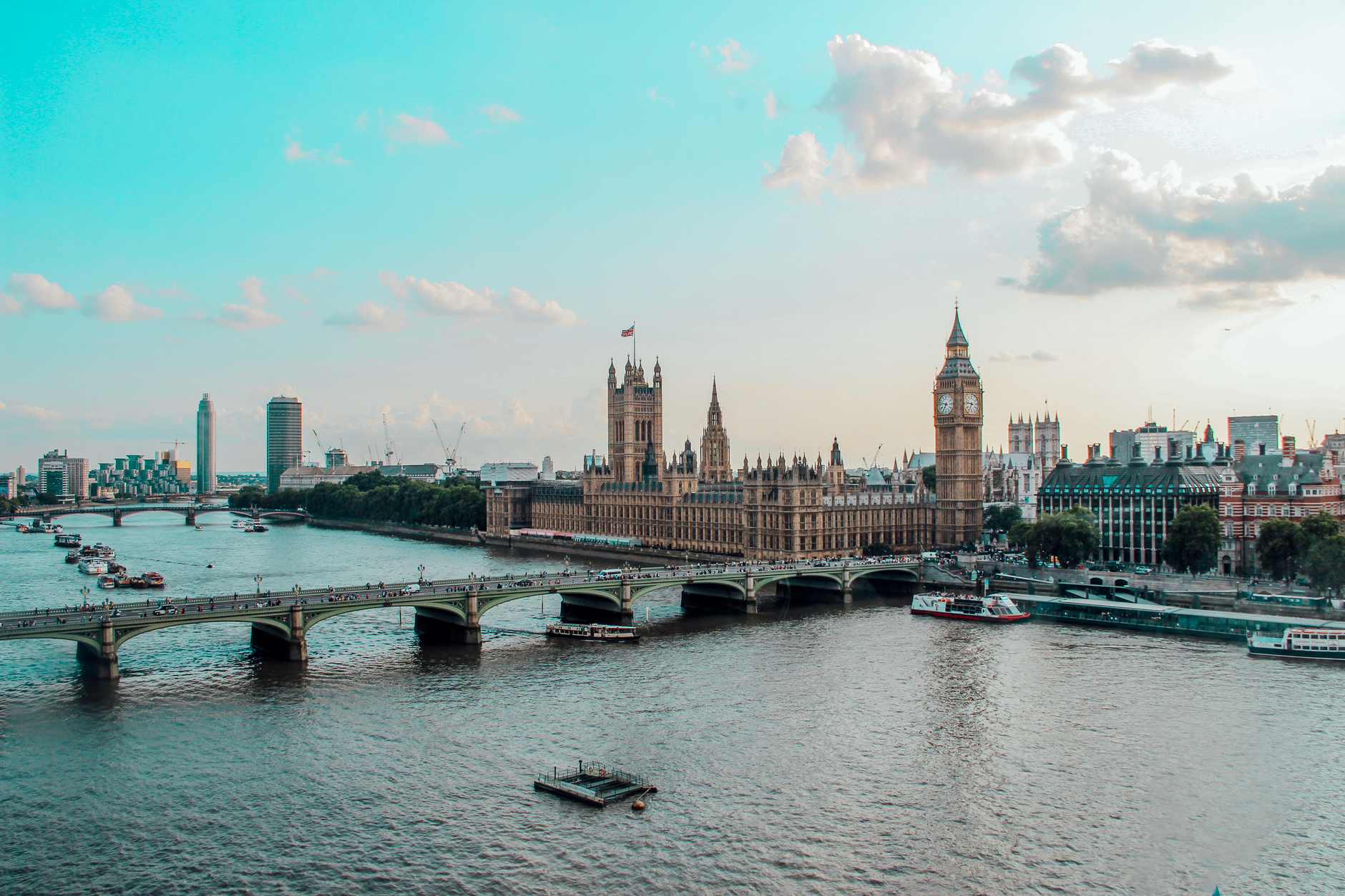
Most london travel tips lead with landmarks, but the city clicks into place much faster when you think in zones first. The tube map looks like a plate of spaghetti until you clock that nearly every tourist attraction sits in Zone 1 or Zone 2, and that one fact shapes almost every decision you’ll make: where to sleep, how to pay for transport, even what time to drag yourself out of the hotel in the morning. Get the zones sorted and the rest tends to follow.
London has a reputation for being expensive, and honestly that’s fair in patches. The average hotel room ran about £180 per night in 2024, and a pint in central London rarely comes in under £6.50. What catches people off guard, though, is how generous the free tier actually is: world-class museums, enormous parks, the changing of the guard, the whole South Bank stretch. Most visitors don’t properly use any of it because they’re too busy queuing at paid attractions, and that planning gap costs real money they didn’t need to spend.
Get an Oyster Card First
Before you do anything else on arrival, get an Oyster card. There’s a £7 refundable deposit, then you load credit on top at any tube station or convenience store showing the Oyster logo, and pay-as-you-go fares in Zones 1 and 2 are capped at £8.10 per day, so no matter how many times you tap in and out, that’s your ceiling — a useful backstop when you’re bouncing around central London and losing count of journeys.
Peak hours run 7–9am and 5–7pm on weekdays, and fares during those windows cost noticeably more. A single Zone 1–2 journey at peak time is £2.80 versus £2.50 off-peak, which sounds trivial until you’re making four or five trips a day across a week. If heavy travel is on the cards for three consecutive days or more, the 72-hour Travelcard at £47.90 covers unlimited travel including buses and the overground, and it pays for itself faster than most people expect once they actually run the numbers.
Worth knowing before you land: the Heathrow Express from Paddington runs every 15 minutes and costs £25 for a single, gets you into central London in 15 minutes, but the Elizabeth line now covers the same route for under £4 on an Oyster card, just with one extra stop along the way. Unless someone else is picking up the fare, the Elizabeth line is the obvious call.
Free Museums Worth Prioritising
London’s national museums are free to enter, and that’s not the kind of free that comes with asterisks or a timed booking system for the permanent collection. Walk in, no membership required. The British Museum in Bloomsbury has the Rosetta Stone and the Elgin Marbles under the same roof as a collection of ancient Egyptian artefacts that can quietly swallow two hours without you noticing, and the National Gallery on Trafalgar Square covers five centuries of European painting, enough to fill an entire day without much effort.
The Natural History Museum in South Kensington is free and genuinely spectacular, with the Victoria and Albert Museum next door and the Science Museum close enough that you can walk between all three in about ten minutes. Tate Modern on the South Bank is free for the permanent collection, with paid ticketed exhibitions running alongside. Spend one day in South Kensington and another on the South Bank and you’ve covered some of the best cultural ground in Europe without spending a penny on entry.
Special exhibitions at these museums usually charge £20–£25 per person, so check the website before you go if you’re after something specific, and book ahead if it’s a weekend. The permanent galleries, though, are reliably walk-in.
Off-Peak Travel Saves Real Money
The daily fare cap helps, but sidestepping peak hours altogether is better. Push your first tube journey to after 9am on weekdays and you’ll pay off-peak rates all day while also dodging the worst of the crowds, because the tube at 8am between Bank and Oxford Circus is a particular kind of grim that nobody needs on holiday. Shifting breakfast to a proper sit-down affair rather than a grab-and-go sorts the timing problem while usually saving money too: a café full English outside Zone 1 runs about £8–£10 compared to £14–£16 inside it.
Buses are also worth using more than most tourists bother to. A single journey costs £1.75 on Oyster with no peak surcharge at all, and routes along the Embankment or up through Covent Garden give you a ground-level view the tube obviously can’t. The hop-on hop-off tourist buses charge around £40 for a day pass for essentially the same experience, so regular TfL buses covering the same ground for a fraction of that is, from what I’ve seen, one of the more straightforward wins available to any visitor.
Where to Stay by Zone
Zone 1 hotels are convenient and priced accordingly, with the central London average of £180 per night pulled up by properties in Westminster, Mayfair, and the City. Stay in Zone 2 and you can usually find comparable quality for £100–£130 per night, and with an Oyster card the extra journey time is rarely more than ten minutes each way. Neighbourhoods like Bethnal Green, Brixton, Stoke Newington, and Kensal Rise all sit in Zone 2 and have proper local food and bar scenes that feel nothing like Covent Garden, which is honestly part of the appeal.
Zone 3 stretches the commute, but for visits longer than five or six days it can make financial sense. Heathrow is in Zone 6, so staying near the airport only really works on a final night before an early flight. For most trips, Zone 2 with decent tube access is the practical sweet spot between cost and convenience.
One Last Thing Before You Go
London travel tips only get you so far without a rough day-by-day plan in place. The city covers roughly 600 square miles, and trying to combine the Tower of London with Notting Hill in a single morning will mostly cost you tube fare and patience. Group days by area instead: one for the South Bank and Borough Market, another for Bloomsbury and the British Museum, another for South Kensington, and you’ll cover more ground, spend less getting between places, and actually remember what you saw rather than a blur of escalators. The zones aren’t a bureaucratic nuisance; they’re the best planning tool the city hands you for free.
FAQs
Is London expensive to visit as a tourist?
It can be, but costs shift a lot depending on your choices. Free museums, Oyster card fare caps, and eating outside Zone 1 can keep daily spending reasonable: many visitors find £80–£100 per person per day covers food, transport, and a mix of paid and free activities without much strain. Accommodation is usually the biggest variable, with central hotels averaging around £180 a night in 2024.
What is the cheapest way to get around London?
An Oyster card with pay-as-you-go credit is almost always the cheapest option for most visitors, with the Zone 1–2 daily cap at £8.10 keeping costs predictable. For three or more consecutive days of heavy travel, the 72-hour Travelcard at £47.90 often works out cheaper once you run the numbers. Buses at £1.75 a journey (with no peak surcharge) are also worth factoring in more than people usually do.
Do you need to book London museums in advance?
For the permanent collections at places like the British Museum and National Gallery, walk-in is generally fine, even on weekends. Special ticketed exhibitions are a different matter and can sell out weeks ahead, particularly in summer and around school holidays. Checking the museum’s website before your trip takes about two minutes and saves a wasted journey.
For more pieces like this one, browse the rest of our Travel coverage.