
Longevity Cakes Explained: The Tradition Behind Every Slice
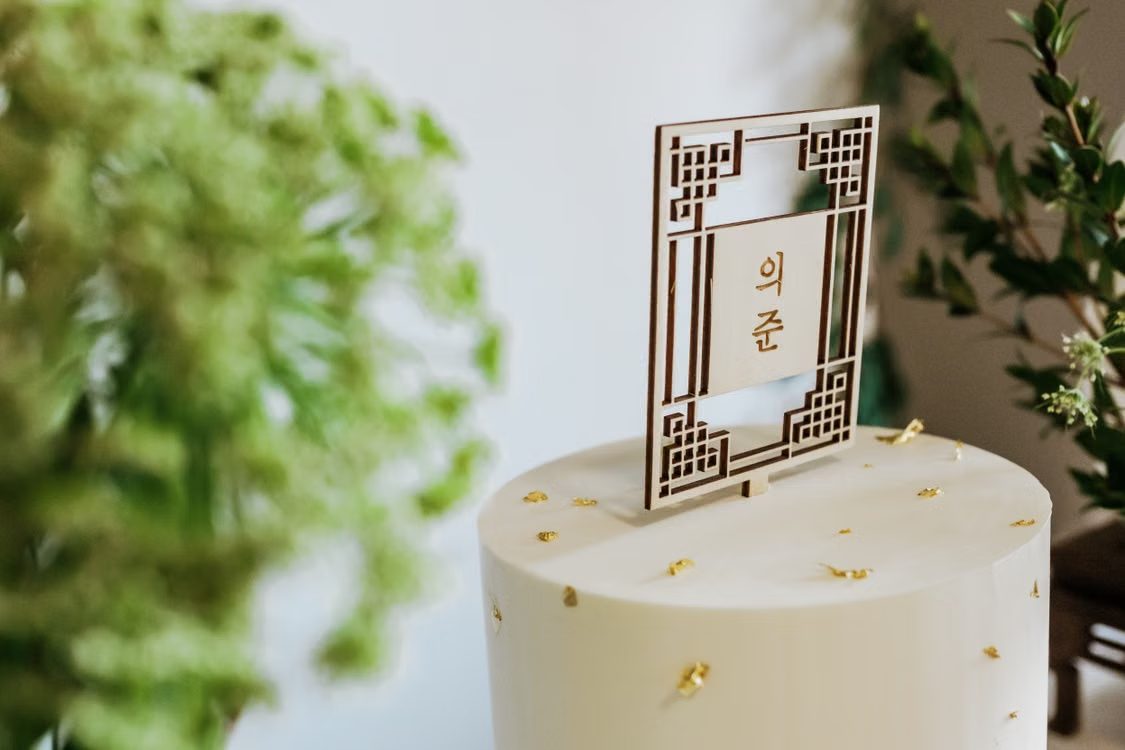
Some birthday traditions carry meaning beyond the celebration itself. In Chinese culture, longevity cakes and other symbolic birthday foods are associated with wishes for a long, healthy and fulfilling life. They are often prepared for parents, grandparents and other family members during important birthdays.
In Singapore, these cakes appear in both traditional and contemporary forms. Some feature familiar auspicious colours and Chinese motifs, while others have modern decorations and personalised details. Regardless of their appearance, the gesture behind the cake remains an expression of care and good wishes.
Understanding the tradition can help families choose a suitable design and make the birthday celebration more meaningful.
The Meaning of Longevity Cakes in Chinese Culture
Longevity cakes are associated with the Chinese wish for a long life. The tradition reflects the importance of health, family relationships and respect for older generations.
Birthdays for parents and grandparents are particularly meaningful occasions in many Chinese households. A cake bearing longevity symbols expresses a family’s hope that the recipient will enjoy many more years of good health and happiness.
The exact customs differ between families and cultural backgrounds. Some prefer traditional foods and decorations, while others incorporate modern birthday celebrations. There is no single design or ritual that every family must follow.
The meaning behind the cake, however, remains familiar. It represents a thoughtful way to honour someone and express appreciation for their presence in the family.
Why Peaches Are Associated With Longevity
Peaches are among the most recognisable symbols found in traditional Chinese birthday celebrations. Their association with long life comes from Chinese mythology and folklore, where peaches from the garden of the Queen Mother of the West are believed to grant immortality or extraordinary longevity.
This symbolism explains the popularity of peach-shaped foods during milestone birthdays. The fruit represents a wish for the recipient to enjoy a long and prosperous life.
Peach imagery appears in different forms, including decorations on cakes, birthday cards and traditional steamed buns. The colour and shape make the symbol easy to recognise, while its cultural meaning gives the presentation additional significance.
Some families include peach-shaped longevity buns alongside a birthday cake. These are separate traditional foods, although both express similar wishes for the person celebrating.
Traditional Longevity Cakes and Modern Designs
Traditional longevity cakes often feature red and gold decorations, Chinese characters associated with long life and auspicious motifs. Peach-inspired details are also common, particularly for birthdays celebrating older family members.
Modern versions offer more variety. A bakery might prepare a conventional round cake with personalised decorations or create a design that combines traditional symbolism with contemporary styling.
Some families prefer a simple presentation with a meaningful birthday message. Others choose more elaborate designs featuring flowers, photographs or decorative elements that reflect the recipient’s interests.
The choice depends on the birthday person’s preferences and the family’s approach to the occasion. A traditional design is not compulsory for the cake to carry a meaningful message.
When Are Longevity Cakes Given?
Longevity cakes are commonly associated with birthdays, particularly milestone celebrations. They are often selected for parents and grandparents as a way to express respect, gratitude and wishes for continued good health.
The age at which a family chooses to hold a special longevity celebration varies. Some families mark significant birthdays with a larger gathering, while others prefer a smaller meal at home.
Longevity-themed cakes might also be included in celebrations for other relatives. The choice depends on family customs and the meaning attached to the occasion.
If you are arranging a birthday for an older family member, it is worth asking relatives whether there are any preferred traditions or symbolic details they would like included. This helps ensure the celebration feels personal rather than relying on assumptions about what everyone expects.
Longevity Cakes and Peach-Shaped Buns: What Is the Difference?
The terms longevity cake and longevity bun are sometimes used in discussions about Chinese birthday traditions, but they refer to different foods.
A longevity cake is generally a decorated cake made with sponge, cream, fillings or other ingredients commonly used in birthday desserts. Its appearance might include Chinese characters, auspicious colours or peach-inspired decorations.
A longevity bun, often called shou tao, is a steamed bun shaped to resemble a peach. It is commonly filled with sweet ingredients such as lotus paste or red bean paste, depending on the bakery and recipe.
Both are associated with wishes for long life, but they are served and prepared differently. Families might choose one or include both as part of a birthday meal.
Choosing a Longevity Cake for a Birthday Celebration
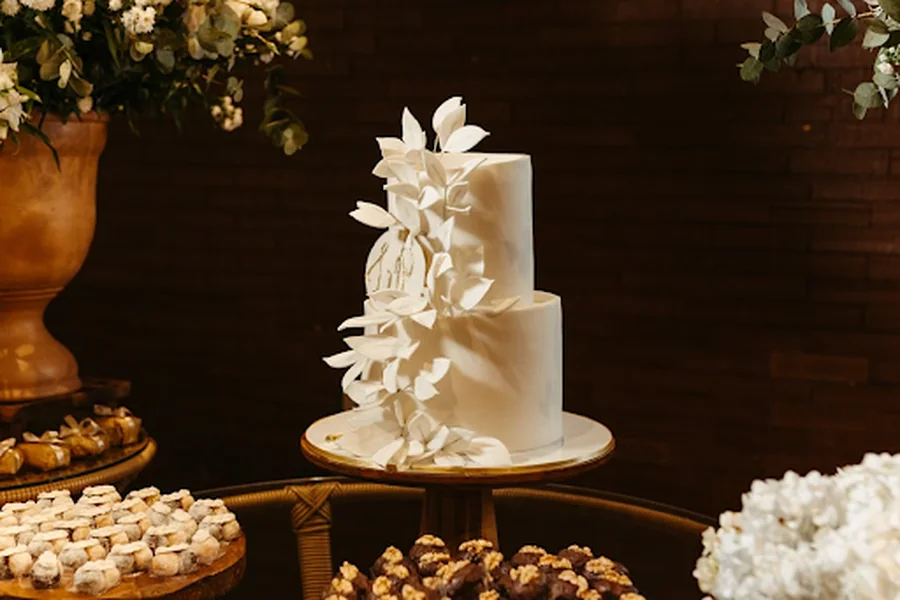
When selecting a longevity cake, consider the recipient’s tastes and the nature of the gathering. A traditional design might be suitable for someone who appreciates familiar cultural symbols, while a modern presentation could appeal to someone who prefers contemporary desserts.
Flavour is another important consideration. Options vary between bakeries and might include chocolate, vanilla, fruit, pandan and other popular choices. If several generations will attend, a familiar flavour might be easier to share.
Cake size should reflect the number of guests and the other food being served. Ask the bakery about estimated portions rather than relying on appearance alone.
For customised orders, confirm the wording, decorations, collection or delivery arrangements and preparation time. If the cake is being delivered to a restaurant or event venue, check whether the location can receive and store it safely before serving.
Making the Celebration More Meaningful
The cake is one part of a larger celebration. A family meal, photographs and time spent together often carry just as much importance as the dessert itself.
A personalised message can make the cake more meaningful, particularly when it reflects the family’s relationship with the birthday person. Traditional Chinese characters might be included alongside a name or birthday greeting, depending on the design.
Some families also arrange a short birthday blessing or presentation before cutting the cake. Others prefer a relaxed gathering without formal proceedings.
There is no need to make the event elaborate for it to feel special. A thoughtful choice that reflects the recipient’s preferences is often enough to make the occasion memorable.
Final Thoughts
Longevity cakes reflect a meaningful birthday tradition centred on family, respect and wishes for good health. Their designs might change with modern tastes, but the symbolism behind them continues to make them a thoughtful choice for important celebrations.
Whether you prefer a traditional cake with auspicious decorations or a personalised contemporary design, consider what would make the birthday person feel appreciated. The most meaningful part of the gesture is the message behind it, shared with family and loved ones on a special day.