
Murano Glass Tour or Workshop? Understanding the Different Ways to Experience Murano Glass
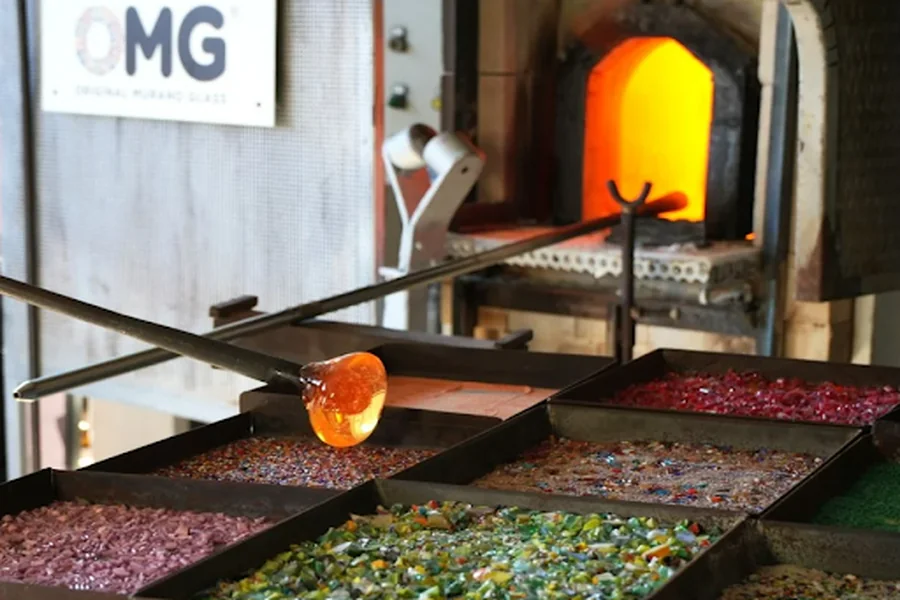
Murano glass is one of Venice’s most distinctive artistic traditions, known for its vibrant colours, intricate patterns and centuries of specialised craftsmanship. For visitors travelling to the Venetian lagoon, experiencing this tradition in person can be a highlight of the trip. However, choosing between a Murano glass tour, a live glassblowing demonstration and a hands-on workshop is not always straightforward.
Each experience offers a different perspective on the island’s glassmaking heritage. A factory tour introduces visitors to the production environment, a demonstration reveals the skill of professional glassblowers, and a workshop provides an opportunity to participate in a creative activity. Understanding these differences makes it easier to choose the right Murano glass experience for your interests, schedule and travel companions.
What Is the Difference Between a Murano Glass Tour and a Workshop?
Although the terms are sometimes used interchangeably, a Murano glass tour and a Murano glass workshop are not necessarily the same experience.
A Murano glass tour generally focuses on discovering the craft. Visitors may explore a traditional glass factory, observe artisans at work and learn about the history, materials and techniques associated with Murano glassmaking.
A glassblowing demonstration centres on watching an experienced artisan transform molten glass into a decorative object. Depending on the venue, the demonstration may form part of a factory visit or be offered as a separate activity.
A Murano glass workshop is more participatory. It may include guided activities such as decorating glass, creating beads or learning introductory techniques using materials and equipment suitable for beginners. The level of hands-on involvement varies between providers, and not every workshop allows visitors to handle molten glass.
For travellers deciding how to spend their time on Murano, the key question is whether they want to observe traditional craftsmanship, learn about the manufacturing process or create something themselves.
1. Visiting a Murano Glass Factory: Understanding the Craft
Visiting a Murano glass factory offers an introduction to the environment in which glassmaking takes place. Traditional furnaces, specialist tools and skilled artisans reveal how much knowledge and coordination are required to produce glass objects by hand.
During a factory visit, visitors may learn about the island’s long association with glassmaking, the importance of temperature control and the techniques used to shape and decorate glass. Depending on the venue, the visit may also explain how artisans create different colours, textures and patterns.
Factory tours can be particularly appealing to travellers who enjoy cultural experiences and want to understand the background behind the finished products they see in Venetian shops.
Some visits include access to a showroom or retail space where visitors can examine finished pieces. This can help them appreciate the differences between styles, from traditional decorative glassware to contemporary artistic designs. However, a factory visit does not automatically include a demonstration or hands-on activity, so it is worth checking what is included before booking.
Best for: First-time visitors, culture enthusiasts, families looking for an educational outing and travellers interested in the history of Murano glass.
2. Watching a Murano Glassblowing Demonstration
For many visitors, watching a professional glassblower at work is the most memorable part of a Murano glass tour. Glassblowing combines technical precision with artistic judgement, allowing an artisan to transform a glowing mass of molten glass into a recognisable form.
A typical demonstration may show the glass being gathered from a furnace, shaped with specialised tools and manipulated through carefully controlled movements. The artisan might produce a vase, bowl, sculpture or another decorative object, depending on the demonstration.
What makes this experience fascinating is the speed and coordination involved. Molten glass changes as it cools, so the glassblower must make decisions at the right moment. Small adjustments can affect the proportions, shape and overall appearance of the finished piece.
Demonstrations also help visitors understand why traditional Murano glassmaking requires years of practice. What may look effortless from the audience is the result of extensive training and experience.
A live demonstration is generally a viewing experience rather than a practical lesson. Visitors should not assume they will be able to operate glassblowing equipment or handle molten glass themselves.
Best for: Visitors with limited time, photography enthusiasts, families and anyone who wants to witness traditional glassmaking without participating directly.
3. Joining a Murano Glass Workshop: Create Something Yourself
A Murano glass workshop offers a different kind of experience by allowing visitors to explore the creative process more directly. Rather than concentrating exclusively on observation, workshops introduce participants to selected materials, techniques and design choices.
The activities available depend on the provider. Some classes focus on glass beadmaking, while others involve decorating glass objects, arranging coloured elements or experimenting with beginner-friendly techniques under an instructor’s guidance.
Workshops can also introduce participants to the relationship between colour, shape and texture. Even a small decorative object can demonstrate how different materials and design decisions influence the final result.
For beginners, the main attraction is the opportunity to take part without needing previous artistic experience. An instructor explains the activity, provides guidance and identifies which steps are suitable for visitors.
It is important to distinguish between a general glassmaking workshop and a traditional furnace-based glassblowing class. Some workshops involve working near hot glass, while others use different materials or concentrate on decoration. Direct participation in molten-glass work depends on the specific programme, the instructor and the safety arrangements.
Before booking, check whether the activity includes a finished piece, whether you can take it home and how much of the process you will perform yourself.
Best for: Creative travellers, couples, people seeking an unusual holiday activity and visitors who want a more personal souvenir of Murano.
Murano Glass Tour vs Demonstration vs Workshop: Which Should You Choose?
The right option depends on what you hope to gain from your visit.
| Experience | What to expect | Best suited to |
| Factory tour | Introduction to the production environment, history and techniques | Culture and history enthusiasts |
| Glassblowing demonstration | Live viewing of an artisan shaping molten glass | Visitors who want to see traditional craftsmanship |
| Hands-on workshop | Guided participation in a selected glassmaking or decorating activity | Creative visitors and people who want to make something |
| Combined experience | A tour or demonstration followed by a practical activity, where offered | Visitors who want a broader introduction |
If you have only a short time on Murano, a factory visit with a live glassblowing demonstration can provide a useful overview. If you are especially interested in the creative process, a workshop may be more rewarding.
Travellers who want to understand the craft and participate in an activity can look for a combined experience. However, not every provider offers all three elements, so read the itinerary carefully rather than relying on the title alone.
What to Consider Before Booking a Murano Glass Experience
A little planning can help you choose an experience that matches your expectations.
Check what is included
Look for a clear description of the activity. A listing that mentions a glass factory visit may not include a live demonstration, while a workshop may offer only a short practical session rather than a complete introduction to traditional glassblowing.
Consider the time available
Murano is reached from Venice by water transport. Allow time for the journey, finding the venue and exploring the island. If you are planning several activities on the same day, check the duration of the experience and the meeting point.
Check suitability for children
Some demonstrations are suitable for a broad range of ages, while practical workshops may have minimum age requirements. Hot glass, specialised tools and furnace environments require careful supervision, so families should confirm the provider’s safety policy.
Understand the finished product policy
If you are joining a workshop, ask whether a handmade object is included in the price. Some items may need additional cooling or finishing before they can be collected. Others may be available to take home immediately.
Look for a genuine educational experience
A useful tour or workshop should explain something about the craft, not simply provide a short viewing opportunity. Clear information about the artisan, the techniques demonstrated and the level of participation can help you judge whether an experience is right for you.
Is a Murano Glass Tour Worth It?
For many travellers, a Murano glass tour is worth considering because it adds context to one of Venice’s most recognisable traditions. Seeing glassmaking in person helps explain the technical skill behind handmade pieces and offers a different perspective from browsing finished objects in shops.
A demonstration is particularly valuable for those interested in traditional craftsmanship, while a workshop can make the visit more interactive. Neither is universally better. The best choice depends on whether you prefer learning through observation or taking part in a guided creative activity.
It is also possible to combine a glassmaking experience with time to explore Murano itself. Visitors can enjoy the island’s quieter atmosphere, browse glass galleries and discover how the craft continues to influence both traditional and contemporary design.
Frequently Asked Questions
What is the difference between a Murano glass tour and a Murano glass workshop?
A tour usually focuses on learning about glassmaking through a factory visit, explanation or demonstration. A workshop adds a practical element, allowing visitors to participate in a selected activity such as decorating glass or making beads.
Can you blow glass during a Murano glass tour?
Not necessarily. Most tours focus on observation, and a glassblowing demonstration does not automatically include visitor participation. If you want to try glassblowing, look for a class that explicitly describes supervised hands-on work.
How long does a Murano glass experience take?
The duration varies by provider. A demonstration may be relatively short, while a factory visit or practical workshop can require more time. Check the advertised duration and allow additional time for transport to and from Murano.
Are Murano glass workshops suitable for beginners?
Many workshops welcome beginners and do not require previous experience. Activities and participation levels vary, so check the course description to understand what you will learn and create.
Can you take home something you make during a Murano glass workshop?
Some workshops include a finished item that participants can take home. Others require additional cooling or finishing, which may mean collecting the piece later. Confirm the arrangements with the provider before booking.
Find the Right Way to Experience Murano Glass
A visit to Murano can be much more than a stop to admire beautiful glassware. A factory tour introduces you to the craft’s heritage, a glassblowing demonstration reveals the skill behind each handmade piece, and a workshop gives you the chance to explore your own creativity.
Whether you choose a traditional Murano glass tour, a live demonstration or a hands-on Murano glass workshop, the most rewarding experience is one that matches your interests and clearly explains what is included. Visits are available by appointment only, and reservations must be made online through the website. By comparing the available options before booking, you can make the most of your time on Murano and gain a deeper appreciation of the island’s enduring glassmaking tradition. Visits are available by appointment only, and reservations must be made online through the website.