
Places to Travel in Europe 5 Underrated Cities Worth It
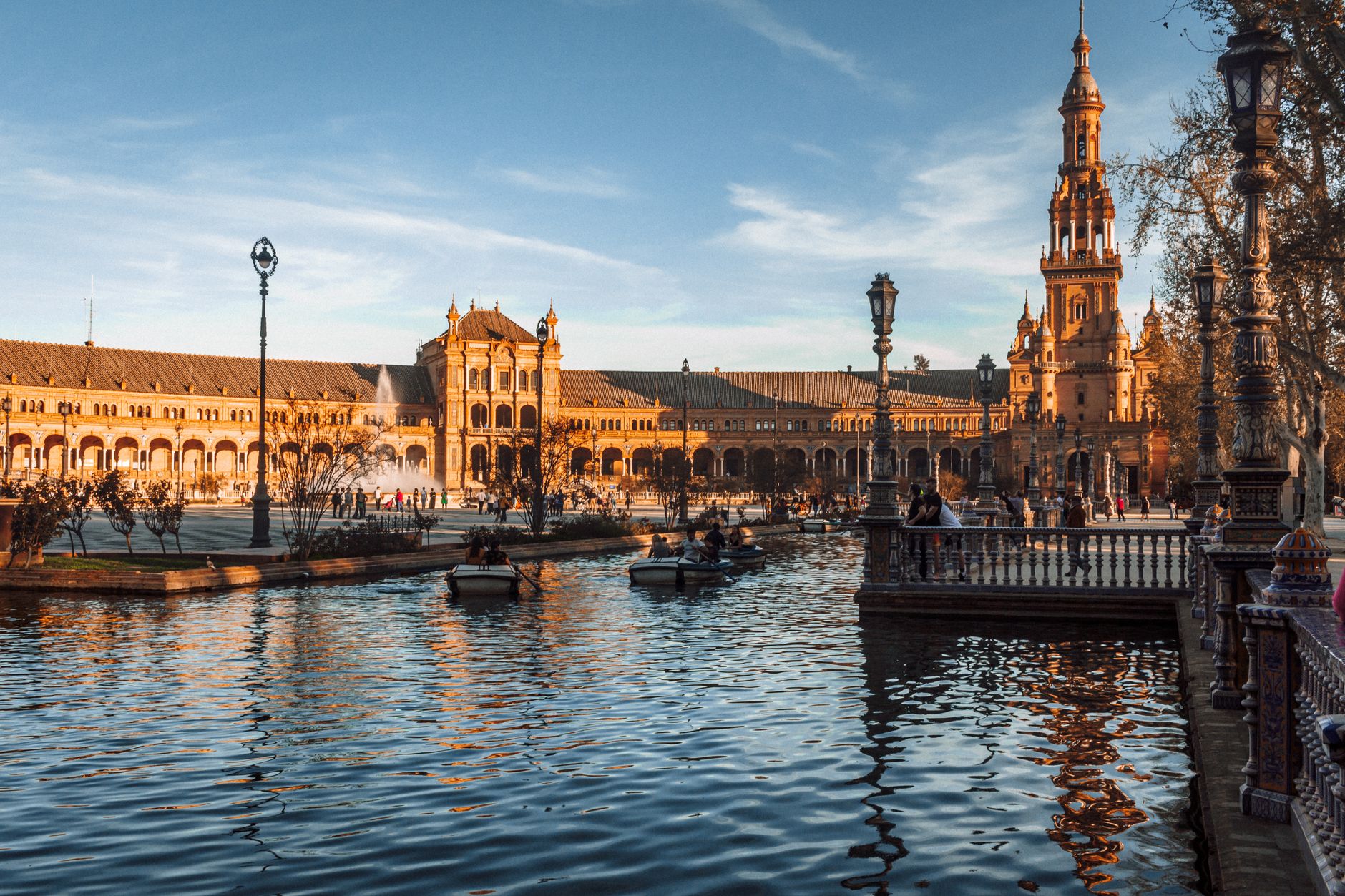
The biggest myth about places to travel in europe is that you need Paris, Rome and Amsterdam to have a proper trip. I believed that for years. Then last September I did three weeks on a budget across five cities most people can’t immediately place on a map, and it was the best travel I’d done in a decade. No queues at the Eiffel Tower. No €22 pasta near the Colosseum. Just quiet squares, cheap wine and a train pass that actually made financial sense.
The five cities were Ljubljana, Ghent, Plovdiv, Kotor and Matera, more or less in that order. I’m not going to give you a tidy rundown: I want to tell you what things actually cost me, what caught me off guard, and the one afternoon I walked away from feeling like I’d thrown two hours into a bin.
For the western legs I bought an Interrail Global Pass. The 7-travel-days-in-one-month version starts at €381 for adults, which sounds steep until you price out individual Ljubljana-to-Ghent tickets. It saved me somewhere around €90 on those segments alone, though I’m rounding a bit from memory.
Five Cities Worth the Train Ride
Ask me which city to start with and I’ll say Ljubljana every time. It earned European Green Capital status in 2016, and you can actually feel that on the ground: bike lanes everywhere, the river terrace closed to cars, recycling bins on every corner. My hostel was a short walk from the train station, eleven minutes at a normal pace, so I never needed a taxi. The castle is €10 with the funicular thrown in, which felt reasonable, and two days is genuinely enough to cover the old town without rushing.
Ghent came next, and honestly it embarrassed Bruges. Fewer tourists, grittier canal banks, and Gravensteen castle for €14 entry. That medieval fortress sits inside an actual city neighbourhood, not a tourist bubble. I ate Flemish stew at a place on Vrijdagmarkt for €11 and watched locals argue about football. That’s the version of Belgium I wanted.
Plovdiv was where the budget finally stopped feeling tight. Prices in Bulgaria have a way of shocking you, but pleasantly: you look at the bill and check it twice because it seems wrong. There’s a Roman amphitheatre right in the middle of the old town and nobody asks you for a cent to walk past it. Over in the Kapana arts district, gallery-bars charge €1.50 for a beer and let you sit there as long as you like. I had two full days there and still felt I’d moved at a reasonable pace.
Kotor gets more attention than the other stops on this list, but compared to Dubrovnik it’s still mercifully calm. The city walls climb costs €8, and the view at the top over the bay is genuinely one of the best things I’ve seen from a fortification anywhere. Steep, though. Take water.
Matera rounded things out. Not technically the Balkans, but reachable by bus from Bari, and the sassi cave districts are strange and quiet in a way that’s hard to describe until you’re sitting in one of them at dusk.
What Each Stop Actually Cost Me
Accommodation across the Balkan stops averaged €14 a night in hostel dorms, which lines up with the general €12–18 range you’ll see quoted. Ljubljana and Ghent pushed higher, around €22–26, because western Europe hostels just cost more. I didn’t find a workaround for that beyond booking early.
| City | Avg nightly cost | Notable entry fee |
|---|---|---|
| Ljubljana | €24 | €10 castle + funicular |
| Ghent | €22 | €14 Gravensteen |
| Plovdiv | €13 | Free amphitheatre |
| Kotor | €15 | €8 city walls |
| Matera | €18 | €5 sassi museum |
Food in Plovdiv and Kotor was where I spent the least. A full sit-down dinner in Plovdiv ran €6–9 most nights. In Ghent I was more careful, stuck to markets and one proper restaurant meal every two days. Total food spend across three weeks came to roughly €280, which surprised me on the low side.
Logistics That Saved Me Real Money
The Interrail pass covered Ljubljana to Ghent via Vienna and Brussels. I booked those legs first, confirmed the pass worked, then built everything else around bus connections in the Balkans, where trains either don’t run or are genuinely slow. A FlixBus from Sofia to Plovdiv cost €4. The Kotor-to-Bari ferry was €35 and worth every cent for the night crossing alone.
One thing I’d do differently: book seat reservations before you travel, not at the station. Several Interrail segments require a separate reservation fee of €3–10 on top of the pass, and on the Vienna to Brussels stretch that reservation sold out two days before I wanted to go. I had to reroute through Luxembourg, which added four hours. Annoying, and entirely avoidable.
For accommodation, I used Hostelworld for the Balkan dorms and booked direct for Ljubljana, where the hostel’s own site was €3 cheaper per night than any aggregator. Small thing, but over a week it adds up.
When to Go and Book
September was close to perfect for these places to travel in europe. Crowds in Kotor and Ghent were noticeably thinner than the July peak I’d heard about from other travellers. Plovdiv in particular felt like a locals-only city. Temperatures were still warm enough for evenings outside, which matters when most of what you’re doing is sitting in squares and wandering.
May works well too, from what I’ve seen in travel forums and from a friend who did a similar route in 2023. April in the Balkans can still be cold and rainy, so I’d push to late April at the earliest. July and August I’d personally avoid for Kotor specifically; the bay gets crowded and the walls climb becomes genuinely unpleasant in the heat.
If you want the better Interrail discount tiers, get your pass sorted at least six weeks before you leave. September worked in my favour for last-minute hostel beds in Ghent and Ljubljana, three days out with no problem, but those same cities in July are a different story. Further east, Plovdiv, Kotor and Matera were calm enough that showing up without a booking would probably be fine, though I’d still hesitate to test that theory in peak summer.
FAQs
Which country in Europe is easiest on the wallet?
Bulgaria, in my experience, without much competition. In both Plovdiv and Sofia I stayed well under €30 a day once accommodation, food and entry fees were added up.
Is an Interrail pass worth it for a 3-week trip?
For western European legs, yes. The 7-day Global Pass from €381 breaks even fast if you’re crossing multiple countries. If you’re keeping to the Balkans the whole time, though, point-to-point bus fares will usually beat it.
Which European cities get overlooked the most?
From where I’m standing, Plovdiv, Ghent and Ljubljana deserve far more attention than they get. All three have serious history and food scenes with none of the crowds you’d find in Prague or Amsterdam.