
Plant-Based Fragrance Oils vs. Synthetic: What’s the Real Difference?
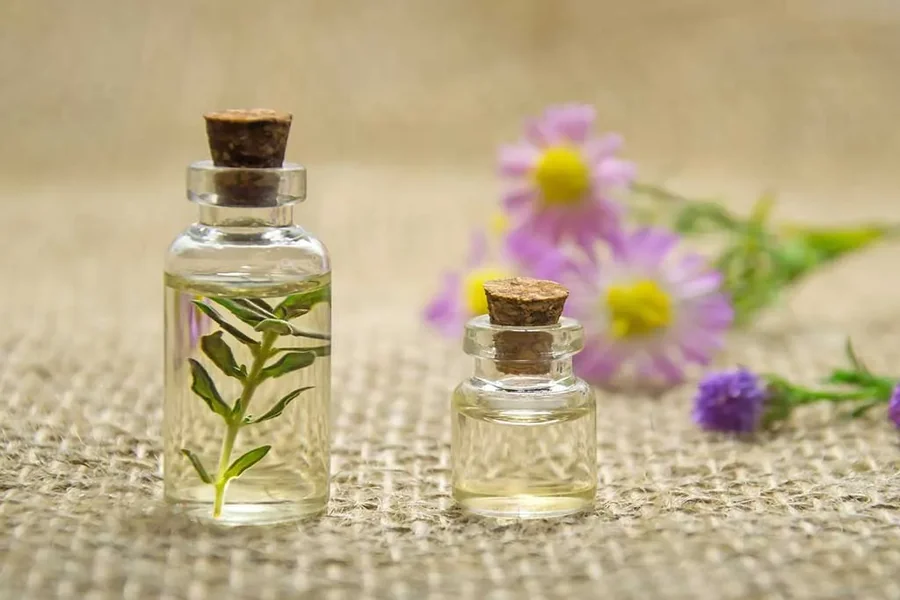
In a world full of scents, fragrance oils are a cornerstone of many of our favorite products. From candles to skincare and even our perfumes, fragrance oils play a crucial role in creating the atmosphere and feeling we desire. But when it comes to choosing the right type of fragrance oil, the decision can feel overwhelming. The growing trend of plant-based fragrance oils is challenging the long-standing dominance of synthetic alternatives, but how do they really compare?
This article breaks down the essential differences between plant-based fragrance oils and synthetic fragrance oils, helping you understand their benefits, drawbacks, and why it matters to choose the right one for your needs. Whether you’re concerned about the environment, your health, or simply looking for a better scent experience, understanding the real differences will guide your decision.
What Are Plant-Based Fragrance Oils?
Plant-based fragrance oils are derived from natural sources, specifically plants. These oils come from flowers, fruits, herbs, and other botanical elements. They are extracted through methods such as steam distillation, cold pressing, or solvent extraction. The beauty of plant-based fragrance oils is that they’re often free of artificial additives, offering a more natural option for those seeking a pure, unprocessed scent.
Benefits of Plant-Based Fragrance Oils
Why are plant-based fragrance oils gaining so much attention? Well, they offer several advantages over synthetic alternatives, such as:
- Eco-Friendly: Plant-based oils are derived from natural, renewable sources. Their production typically has a lower environmental impact compared to synthetic oils, which are often made using petrochemicals.
- Health-Conscious: For those with sensitive skin or respiratory issues, plant-based fragrance oils are a safer option. They are less likely to cause allergic reactions or irritations, making them ideal for use in skincare or around the home.
- Purity and Authenticity: When you use plant-based fragrance oils, you’re experiencing a more authentic scent, as these oils are directly sourced from the natural world. The fragrances tend to be more complex and nuanced than their synthetic counterparts.
How Plant-Based Fragrance Oils Are Made
Creating plant-based fragrance oils begins with selecting the right plants. For instance, lavender oil comes from the flowers of the lavender plant, while citrus oils are extracted from the rinds of oranges and lemons. Once the plant material is chosen, the extraction method—such as steam distillation—is employed to collect the essential oils.
One crucial element in the production of plant-based fragrance oils is the fragrance oil base. This base acts as a carrier, allowing the fragrance to blend seamlessly with other ingredients. A good fragrance oil base is essential in creating a high-quality product, ensuring that the scent is both long-lasting and evenly distributed.
What Are Synthetic Fragrance Oils?
Synthetic fragrance oils, on the other hand, are man-made concoctions that mimic the scents of natural oils. These oils are created through the chemical process of combining various synthetic compounds to produce fragrances. Unlike plant-based oils, synthetic fragrances are often cheaper to produce, and they are used in a wide array of products.
Pros and Cons of Synthetic Fragrance Oils
While synthetic fragrance oils may be cost-effective and offer a wider range of scents, they also come with certain downsides:
- Longer Shelf Life: Synthetic fragrance oils tend to last longer than plant-based oils, as they are less susceptible to degradation over time.
- Affordability: Since they’re created in a lab, synthetic oils are typically cheaper to produce, which makes them more affordable for large-scale manufacturers.
However, these benefits come with trade-offs:
- Health Concerns: Many synthetic fragrance oils contain chemicals that could potentially trigger allergic reactions, skin irritations, or respiratory issues. Some of the compounds in synthetic oils have even been linked to hormone disruption.
- Environmental Impact: The production of synthetic fragrance oils often involves petrochemicals, which are harmful to the environment and non-renewable. In contrast, plant-based oils come from renewable resources.
Comparing Plant-Based and Synthetic Fragrance Oils
Scent Quality: Which One Lasts Longer and Smells Better?
When it comes to the overall fragrance, plant-based oils often offer a more natural and refined scent. The complexities of natural ingredients like rose or sandalwood provide a depth that synthetic oils simply cannot replicate. While synthetic oils can mimic some natural scents, they often lack the authenticity and layered notes of a plant-derived fragrance.
However, synthetic oils tend to last longer. Since these oils are chemically designed to resist degradation, they can often hold their scent for hours or even days longer than their natural counterparts. This longevity can be an appealing factor for those who prefer to enjoy their fragrances for extended periods.
Safety: How Do Both Oils Impact Your Health?
Safety is another key difference. Plant-based fragrance oils are generally safer for sensitive skin, as they are less likely to cause reactions. Many natural oils also come with therapeutic benefits—lavender oil, for example, is often used to promote relaxation and reduce stress. On the other hand, synthetic fragrance oils may contain harmful chemicals that can irritate the skin or respiratory system, especially when used in large amounts or over time.
For anyone with allergies, asthma, or other sensitivities, plant based fragrance oils are the safer choice. The use of a fragrance oil base that’s natural and non-toxic further minimizes the risk of irritation.
Environmental Impact: Which is More Sustainable?
Sustainability plays a big role in modern purchasing decisions. Plant based fragrance oils, being derived from renewable resources, generally have a lower environmental footprint than synthetic oils, which are made from petrochemicals. Additionally, some plant-based oils are organic and come from farms that practice sustainable agricultural techniques, further enhancing their eco-friendly appeal.
Synthetic oils, however, contribute to pollution and rely on non-renewable resources, which make them less environmentally friendly in comparison.
How to Choose the Right Fragrance Oil for You
Factors to Consider
When deciding between plant-based and synthetic fragrance oils, it’s essential to consider your priorities. If you value eco-friendliness, skin safety, and an authentic, natural scent, plant-based oils are the way to go. On the other hand, if you’re looking for an affordable, long-lasting fragrance that can be easily replicated in mass-produced items, synthetic oils may be more suitable.
When to Opt for Plant-Based Fragrance Oils
- If you have sensitive skin or allergies.
- If you’re seeking a more complex, natural scent.
- If sustainability is important to you.
When to Choose Synthetic Fragrance Oils
- If cost is a significant factor.
- If you need a fragrance that lasts longer.
- If you require specific synthetic notes that aren’t available in nature.
Conclusion – Which Fragrance Oil Is Right for You?
Both plant-based and synthetic fragrance oils have their advantages and drawbacks. The key is understanding your needs—whether it’s for a natural, sustainable scent or a long-lasting, affordable option. By considering the type of product, its intended use, and your personal preferences, you can choose the right fragrance oil to enhance your environment, personal care routine, or products.
Ultimately, plant-base fragrance oils offer a more natural, health-conscious, and eco-friendly option, while synthetic fragrance oils deliver more stability and longer-lasting scents at a lower price. Whichever you choose, understanding the difference will ensure you’re making an informed decision that suits both your needs and values.