
Serious Injury Claims Require Clear Records and Careful Decisions
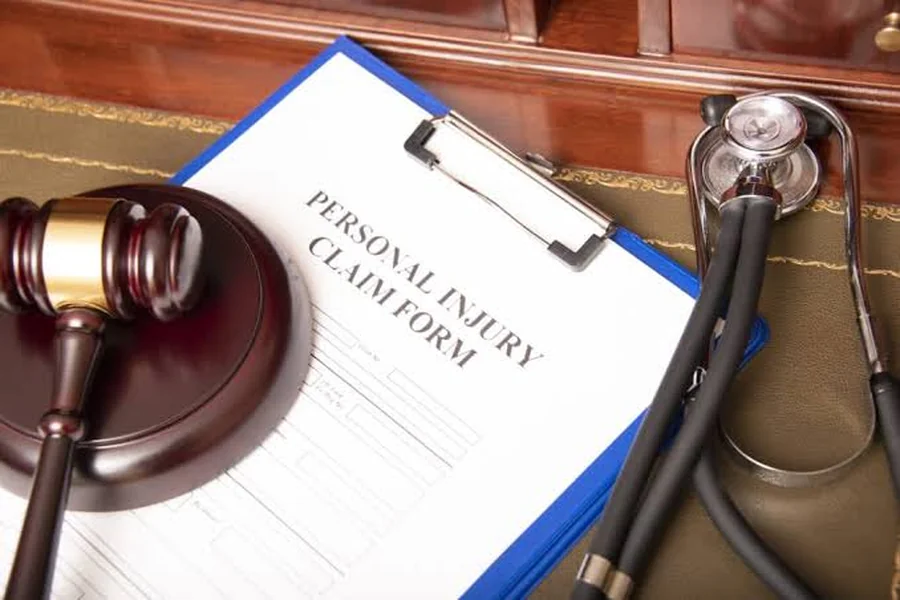
A serious injury can change daily life in a moment, leaving a person facing medical treatment, lost income, and uncertainty about the future. Learning where to find help with serious injury claims can make the process easier to understand and help an injured person make informed choices.
Understand What Makes an Injury Claim Serious
The term “serious injury” can describe many situations, including broken bones, spinal injuries, burns, internal damage, or a head injury. Medical attention should come before legal or insurance concerns. A qualified healthcare professional can assess symptoms, recommend treatment, and explain warning signs that need urgent care. Follow-up visits also create a record of the diagnosis, treatment plan, and progress. For head injuries, the Centers for Disease Control and Prevention offers guidance on recognizing and responding to a traumatic brain injury.
Build a Reliable Record
Evidence can become harder to collect as time passes. A damaged item may be repaired, a hazard may be removed, and witnesses may forget details. When health and safety allow, record the scene and preserve information that may explain what happened.
Useful records may include:
- Photos or video of the location, equipment, vehicles, or visible injuries.
- Names and contact details for witnesses and people involved.
- Medical reports, prescriptions, invoices, and appointment summaries.
- Work schedules, pay records, and notes about duties you can no longer perform.
- Messages from insurers, employers, property owners, or other parties.
Keep original files where possible and make secure copies.
Understand the Costs Beyond Treatment
The financial impact of a serious injury may reach far beyond emergency care. Follow-up appointments, rehabilitation, medication, travel to medical facilities, and changes to the home can create added costs. If a person cannot return to work, lost wages may put pressure on the entire household. Keep receipts and make a simple list of expenses connected to the injury. Save records of missed shifts, reduced hours, and work duties that have changed. If family members provide regular care or transport, note the type of help and how often it is needed. Not every expense is automatically recoverable. The available compensation depends on the facts, the evidence, the applicable law, and any insurance terms. A clear record helps an injured person or their representative assess the losses without relying on memory alone.
Be Careful With Insurance Communications
An insurance adjuster may contact an injured person soon after an incident. The adjuster may ask for a statement, request medical documents, or offer a quick settlement. Give accurate information, keep copies of correspondence, and avoid guessing about facts you cannot confirm. Before signing a release or accepting a payment, read the terms closely. A settlement may end the right to seek more compensation for the same incident, even if further treatment becomes necessary. If the extent of the injury is still unclear, consider getting advice before making a final decision.
Do not exaggerate symptoms or hide relevant facts.
Know That Responsibility May Need Investigation
An injury does not always have one clear cause or one responsible party. Avoid deciding fault based only on a brief conversation at the scene. People may be shaken, details may be incomplete, and an early account may not include all relevant information. If you can, preserve the names of involved parties and any incident or reference numbers. Do not alter photographs or delete messages that may relate to the event.
Rules for proving responsibility differ by location and type of claim. Some cases may also involve shared fault, policy limits, or special notice requirements. Prompt legal guidance can help identify which rules apply and what steps may be needed to protect a claim.
Avoid Common Documentation Mistakes
Small gaps can make a claim harder to review. Do not throw away damaged clothing, broken equipment, or other items connected to the incident before considering whether they may be useful evidence. Save receipts for temporary transport, household help, medical supplies, and other costs linked to recovery. If you keep a symptom journal, record specific effects rather than broad statements. For example, note how long you can stand, whether sleep is interrupted, or which work tasks are difficult. Do not change older notes to make them sound more certain than they were at the time.
A Claim Should Reflect Evidence, Not Guesswork
No two injuries have the same effect. One person may recover within weeks, while another may need surgery, rehabilitation, or long-term support. A fair assessment should consider documented expenses, income losses, expected care, and the ways the injury affects ordinary activities. Future losses may require medical opinions or other professional evidence, rather than estimates made without support.
Careful preparation supports an accurate review, but cannot guarantee a particular result.
Plan for Recovery as Well as the Claim
Follow medical advice and ask questions when instructions are unclear. If symptoms change, tell your healthcare provider. The CDC’s information on traumatic brain injury recovery explains that some people need specialized care or rehabilitation after a moderate or severe brain injury. Recovery needs can vary, so treatment decisions should be based on professional advice rather than someone else’s experience.
Frequently Asked Questions
What should I do first after a serious injury?
Seek medical care and follow the treatment plan. When it is safe, preserve photos, witness details, and incident records. Keep all bills and communications in one place.
Can I make a claim if symptoms appear later?
Possibly. Some injuries take time to become clear, but prompt medical assessment and accurate documentation are important. Rules and deadlines vary, so do not delay seeking advice.
Should I accept an early insurance settlement?
Do not decide based only on how quickly the payment is offered. Review what the agreement covers, whether future treatment is known, and whether signing it ends further claims. Get qualified advice if the terms are unclear.
How long do I have to start a claim?
Deadlines depend on the location, the type of incident, and who may be responsible. Some claims have special notice rules. Check the applicable deadline promptly with a legal professional.
Conclusion
A serious injury can affect health, work, relationships, and financial stability long after the incident itself. Medical care, organized records, careful insurance communication, and a clear understanding of possible deadlines can help a person make sound decisions. Each claim depends on its own facts, so accurate information and timely guidance are more useful than assumptions or promises of a particular result.