
Shopping U.S. Stores From Abroad – How Package Forwarding Works
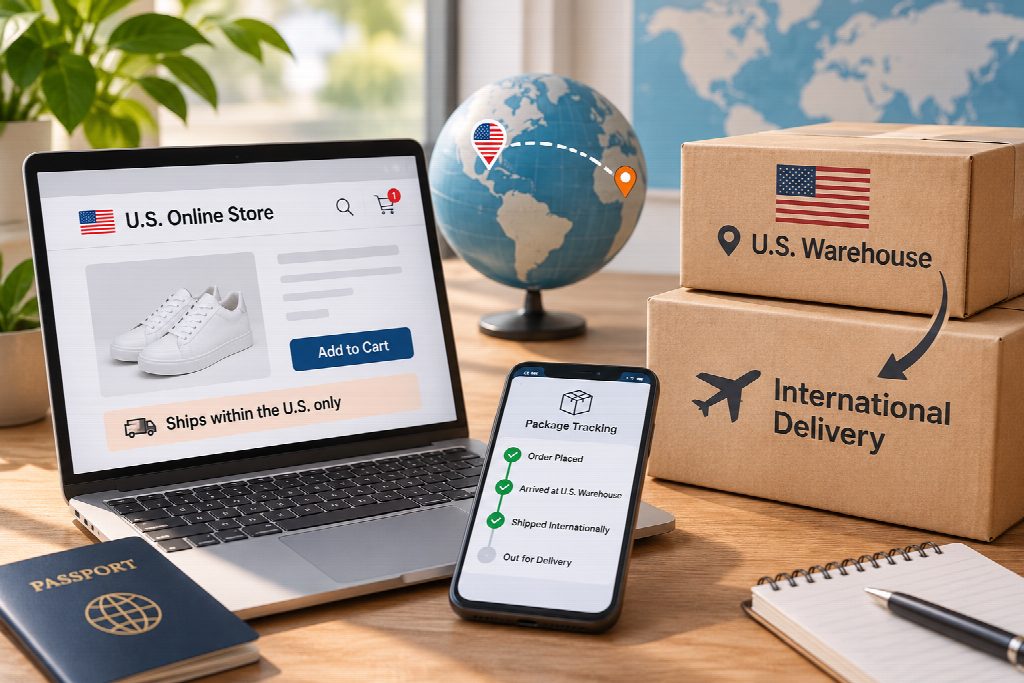
You spot a great deal at a U.S. online store, add the product to your cart, and head to checkout. Everything looks fine until you discover that international shipping isn’t available. It’s a common obstacle for shoppers looking for American brands, exclusive products, or discounts that aren’t offered in their home countries. But a store’s shipping restrictions don’t necessarily mean you have to give up on the purchase. Package forwarding services provide a U.S. delivery address and arrange international shipping after your order reaches their warehouse. The process is fairly straightforward, although there are a few things worth knowing before placing your first order.
How Package Forwarding Works
A forwarding service gives you an American warehouse address that you can use when shopping online. After registering, you receive an address with a unique customer or suite number, which helps the warehouse identify your purchases. You enter those details at checkout, and the retailer ships the order domestically, just as it would for an American customer. When the package arrives, the warehouse registers it in your account, allowing you to arrange international delivery. You’ll usually need to provide a description and value of the contents for customs, select an available carrier, and pay the forwarding charges before the package leaves the United States.
You can also use the same warehouse address for purchases from several different retailers. Many forwarding companies offer package consolidation, which allows you to combine eligible orders into one international shipment. For example, if you’ve ordered clothing, shoes, and accessories from three stores, you may be able to ship them together instead of paying for three separate international deliveries. Some providers can remove unnecessary packaging or take photographs of the contents before dispatch. These services may reduce shipping costs or help you check a purchase before it leaves the country, but they aren’t always included in the basic forwarding fee.
Check the Store’s Rules Before You Buy
Not every American retailer accepts orders sent to forwarding warehouses. Some stores restrict these addresses, particularly for products with regional distribution agreements or export limitations. International payment cards can also cause problems when a retailer requires a U.S. billing address. Before making an expensive purchase, check the store’s shipping and payment policies and ask your forwarding provider whether it has experience receiving orders from that retailer. Some forwarders offer assisted purchasing, where they buy the item on your behalf for an additional fee. It’s useful when direct checkout isn’t possible, although the service’s conditions should be clear before you pay.
Product restrictions are another consideration. Perfumes, aerosol products, certain batteries, and other regulated goods may require special handling or may not be accepted for international shipment. The rules depend on the item, carrier, and destination country. Even if a store ships something successfully to a U.S. warehouse, the forwarder might be unable to send it abroad. Check the forwarding company’s prohibited-items list before ordering, especially when buying electronics, cosmetics, or products containing liquids.
Calculate the Full Cost, Not Just the Store Price
A $60 product from an American store isn’t necessarily a bargain if getting it home costs another $50. Besides the item’s price, you may need to pay for delivery to the warehouse, package processing, international shipping, and customs duties or taxes. Some forwarding services offer free accounts but charge for individual warehouse services, while others use paid memberships with different benefits. Storage periods also vary, and leaving packages at a warehouse too long can result in additional fees. Using a forwarder’s shipping calculator before purchasing gives you a better idea of whether the deal is actually worthwhile.
Package size can affect the final bill as much as weight. Many international carriers use dimensional weight when calculating charges, so a lightweight item packed in a large box may cost more to ship than expected. Consolidation and repacking can help, but you should compare the resulting shipping estimate with any extra handling fees. Customs charges also deserve attention, since a product’s value, classification, and destination determine what may be payable. Before approving a shipment, review the complete estimate rather than focusing only on the international delivery rate.
Following Your Package From the U.S. to Your Door
One detail that often confuses first-time users is the tracking information. A forwarded order typically travels in two stages, and each may have a different tracking number. The first belongs to the domestic delivery from the retailer to the warehouse. Once the forwarding company dispatches the purchase internationally, it provides new shipping details for the second journey. That means an order marked as delivered on the retailer’s website may simply have reached the warehouse. Wait for the forwarder’s confirmation before assuming the parcel is ready for international delivery.
Following international purchases can get confusing when different orders use different shipping companies, or a parcel changes carriers along the way. One retailer might offer direct international shipping through i-parcel, while another requires a forwarding service that works with several couriers. Instead of searching for the right carrier website every time, you can use TrackingPackage, which supports hundreds of postal and delivery services and can automatically identify the carrier for supported tracking numbers. For example, if your purchase is shipped through i-parcel, I-parcel delivery tracking lets you check available shipment updates, while the same website can help you follow other orders handled by different carriers. It’s a convenient way to keep track of purchases from multiple U.S. stores without having to figure out which delivery company to check each time.
What Happens If You Need to Return Something?
Returns are often more complicated with forwarded purchases. A store may offer free domestic returns, but that doesn’t mean it will cover shipping from another country. If an item arrives in the wrong size or isn’t what you expected, you may have to pay to send it back to the United States. Some retailers also limit their responsibility once an order has reached the forwarding address, so it’s important to understand where the retailer’s obligations end and the forwarding company’s begin. Check the return window, damage-claim procedure, and insurance coverage before buying something expensive.
Electronics deserve particular care because warranties may be limited to the country where the product was purchased. A phone, laptop, or kitchen appliance might also have different power requirements or regional specifications. For clothing, checking measurements rather than relying on familiar size labels can reduce the likelihood of a costly return. If you’re buying a high-value item, consider whether the forwarding service offers an inspection or photography option before international dispatch. Those small precautions can be worth more than the savings from a discounted purchase.
Package forwarding makes American stores accessible to shoppers who would otherwise be excluded by domestic shipping restrictions. It’s particularly useful for products unavailable locally or purchases from several U.S. retailers. However, the lowest advertised price doesn’t always lead to the cheapest delivered order. Compare the total cost, check the retailer’s restrictions, and make sure you understand how delivery and returns will be handled. With those details sorted out, you can shop more confidently without discovering expensive surprises after checkout.