
Sourcing Defence and Security Equipment: What Professional Buyers Need to Know
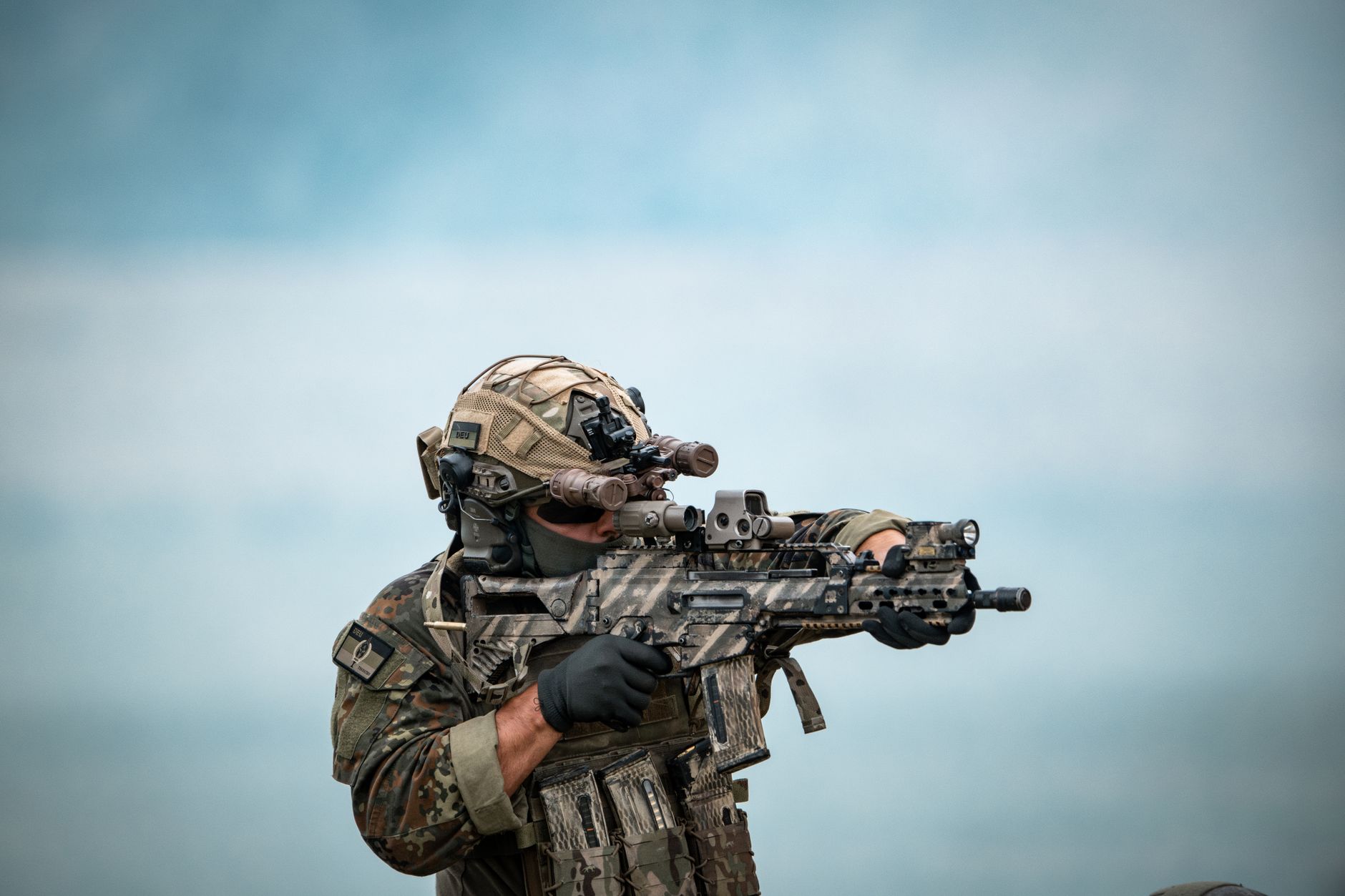
Procuring defence and security equipment is a specialised undertaking, very different from ordinary commercial purchasing. The organisations that buy it, armed forces, law enforcement agencies, and security contractors, depend on equipment that performs reliably in demanding conditions and meets strict standards. Choosing the right supplier and equipment is a serious responsibility. This guide looks at how professional buyers approach sourcing defence and security equipment and what matters most in the process.
Why Defence Procurement Is Different
Buying defence and security equipment is unlike buying standard commercial goods. The stakes are higher, the requirements are stricter, and the consequences of poor equipment can be severe. Equipment may need to perform in harsh environments, meet exacting compliance and durability standards, and integrate with other systems, all while being genuinely dependable when it matters. This is procurement where reliability is not a preference but a requirement.
The buyers themselves are professionals with specific needs, from protective equipment and detection systems to surveillance and counter-measure solutions. Because their operations depend on this equipment, they approach procurement carefully, prioritising proven capability and trustworthy suppliers over the lowest price. Understanding this mindset is the starting point for understanding how defence equipment is sourced.
The Importance of a Specialist Supplier
One of the most important decisions in defence procurement is choosing the right supplier. General suppliers rarely understand the specialised requirements, compliance standards, and operational realities that defence and security buyers face. Specialist suppliers, by contrast, focus on this sector and understand what their customers need. Professional buyers typically find military equipment through such specialists, who offer equipment built for defence and security use and can advise on the right solutions for a given requirement.
A specialist supplier brings several advantages. They stock equipment designed for the demands of the field rather than repurposed commercial products. They understand the standards and compliance requirements relevant to defence and law enforcement. And they can often provide bespoke or customised solutions for specific operational needs. For buyers whose operations depend on their equipment, this expertise is as valuable as the products themselves.
Categories of Defence and Security Equipment
Defence and security equipment spans a wide range of categories, most of them protective, detective, or preventive in nature. Protective equipment includes ballistic and protective clothing designed to keep personnel safe. Detection and screening systems help identify threats, from scanning technologies to specialised detection equipment. Counter-measure and protective systems help defend against specific threats. Surveillance and counter-surveillance tools support security operations, and specialist equipment supports tasks such as explosive ordnance disposal and demining.
What unites these categories is a focus on capability and protection. Professional buyers select from across these categories according to their specific mission and operational needs, building the capabilities their work requires. A good specialist supplier offers breadth across these areas and the expertise to match equipment to need.
What Professional Buyers Prioritise
Beyond the equipment itself, professional buyers weigh several factors. Reliability and proven performance come first, since equipment must work dependably in real conditions. Compliance with relevant standards is essential, as defence and security procurement is governed by specific requirements. The supplier’s track record and expertise matter, since buyers need confidence that a supplier can deliver and support what they sell. And the ability to provide customised solutions is often important, as operational needs vary and off-the-shelf products do not always fit.
Support and the wider relationship also count. Defence and security equipment often needs ongoing support, training, and the availability of parts or consumables. Buyers therefore value suppliers who offer not just products but a dependable, knowledgeable partnership over time. This long-term view reflects how central reliable equipment is to their operations.
A Considered, Professional Process
Sourcing defence and security equipment is ultimately a considered, professional process rather than a simple transaction. Buyers define their requirements carefully, seek out specialist suppliers who understand the sector, evaluate equipment against reliability, compliance, and suitability, and build relationships with suppliers they can depend on. This diligence reflects the seriousness of the responsibility, since the equipment supports the safety and effectiveness of the people who rely on it.
For any organisation in this position, the guiding principle is clear. Prioritise proven, compliant, fit-for-purpose equipment from a specialist supplier with genuine sector expertise, and treat procurement as the important, considered process it is.
Frequently Asked Questions
Why is defence procurement different from ordinary buying?
Because the requirements are stricter, the conditions more demanding, and the consequences of poor equipment more serious. Reliability, compliance, and fitness for purpose are requirements, not preferences.
Why source from a specialist supplier?
Because specialists understand the sector’s compliance standards, operational realities, and equipment needs, and offer products built for defence and security use rather than repurposed commercial goods.
What kinds of equipment does this cover?
A wide range, largely protective, detective, and preventive, including protective clothing, detection and screening systems, counter-measure solutions, surveillance tools, and specialist equipment for tasks like EOD and demining.
What do professional buyers prioritise?
Reliability and proven performance, compliance with relevant standards, the supplier’s track record and expertise, the ability to provide customised solutions, and dependable ongoing support.
Who typically buys defence and security equipment?
Armed forces, law enforcement agencies, and security contractors, whose operations depend on dependable, compliant equipment suited to their specific missions.
Final Thought
Sourcing defence and security equipment is a serious, specialised process that rewards careful, professional judgement. The organisations that do it well define their needs precisely, work with specialist suppliers who understand the sector, and prioritise reliability, compliance, and fitness for purpose over price alone. For buyers whose operations and safety depend on their equipment, choosing the right supplier and the right equipment is among the most consequential decisions they make.