
St. Louis Truck Accident Claims and Compensation
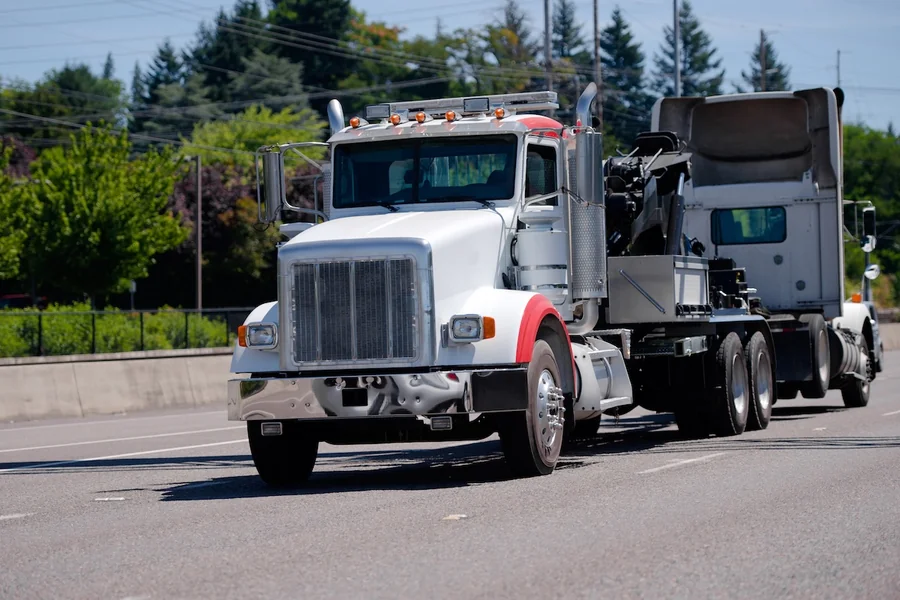
A truck crash can change a person’s life in seconds. Medical bills, missed work, vehicle damage, and long recovery periods can create financial pressure while an insurance company asks questions about the collision. For people seeking help after a truck accident in St. Louis, understanding how claims work can make the process easier to follow. A truck accident claim may involve several parties, different insurance policies, and evidence that is not found in an ordinary car crash.
What Makes Truck Accident Claims Different?
Large commercial trucks can cause serious injuries because of their size, weight, and braking distance. A St. Louis collision may also involve a trucking company, driver, maintenance provider, cargo company, or another business. Identifying every responsible party matters because more than one person or company may have contributed to the crash.
A claim usually begins with determining how the collision happened. Police reports, photographs, witness statements, medical records, vehicle damage, traffic camera footage, and truck data can help establish what occurred. Investigators may also review driver records and company documents.
Truck Driver Conduct Can Affect Liability
Driver behavior is an important part of many St. Louis truck accident claims. Speeding, distracted driving, unsafe lane changes, following too closely, or driving while fatigued can create dangerous conditions. Federal rules also limit how long many commercial drivers can remain behind the wheel. The Federal Motor Carrier Safety Administration explains that property-carrying drivers generally face an 11-hour driving limit within a 14-hour work window after required off-duty time.
A review of hours-of-service records can sometimes show whether a driver may have exceeded permitted limits. Electronic logging device data, dispatch records, fuel receipts, inspection reports, and other records can help establish a timeline. These details may become important when the trucking company or its insurer disputes responsibility.
Trucking Company Responsibility
A trucking company may face liability when its own actions contributed to a crash. Examples can include poor hiring practices, inadequate training, unsafe scheduling, or failure to maintain a vehicle. Maintenance problems such as worn brakes, damaged tires, defective lights, or steering issues can also raise questions about whether the truck was properly inspected and repaired.
Cargo loading can be another concern. If cargo is overloaded, poorly secured, or unevenly distributed, it can affect how a truck handles. Records related to loading, inspections, repairs, and driver qualifications may help clarify what happened.
What Compensation May Cover
Compensation in a St. Louis truck accident claim depends on the injuries, losses, and facts of the case. Economic damages may include emergency treatment, hospital care, medication, rehabilitation, future medical expenses, lost wages, and reduced earning capacity. Property damage may also be included when a vehicle or other belongings are damaged.
Some claims may also involve compensation for non-economic losses. These can include physical pain, emotional distress, loss of normal activities, and other effects of an injury. The value of these losses depends on the individual circumstances and available evidence.
Keeping detailed records can help document these losses. Save medical bills, receipts, wage statements, repair estimates, appointment records, and other documents related to the crash. Following medical instructions and attending recommended appointments can also help create a clear record of the recovery process.
Insurance Companies and Settlement Offers
After a St. Louis truck accident, an insurance adjuster may contact an injured person quickly. The adjuster may ask for a statement, medical information, or permission to access records. It is important to understand what is being requested before providing information or accepting a settlement.
An early offer may not account for future treatment, lasting limitations, or income losses that have not yet been fully calculated. Once a settlement is accepted and released, seeking additional compensation can become difficult or impossible. A careful review of the full extent of losses is therefore important before making a final decision.
Comparative Fault in Missouri
Missouri follows a comparative fault system that can reduce damages when an injured person is found partly responsible for an accident. This means the facts surrounding a St. Louis truck accident matter even when the truck driver appears to have caused the collision. An insurer may argue that another driver contributed to the crash, so evidence should address the conduct of every involved party.
Missouri law also provides a general five-year limitation period for many personal injury actions. The exact deadline can vary based on the circumstances, so relying on a general time period without reviewing the specific claim can create problems. The Missouri Revised Statutes provide information about civil action limitation periods.
Building a Strong Claim
A well-supported St. Louis truck accident claim depends on evidence gathered early and organized carefully. Important evidence may include the police report, photographs, medical records, witness contact information, vehicle inspection findings, trucking records, and communications with insurers.
It can also be useful to avoid posting about the crash or injuries on social media. Statements or photographs posted online may be taken out of context. Keeping communication factual and preserving original documents can help protect the accuracy of the claim.
When Legal Help May Be Useful
Truck accident claims can become complicated when serious injuries, multiple insurers, commercial regulations, or disputed faults are involved. A lawyer can review the available evidence, identify potentially responsible parties, communicate with insurers, and explain the legal options that may apply.
For people dealing with a St. Louis truck accident, acting carefully after the collision can help preserve important evidence and document losses. Medical care should remain the first priority, followed by keeping records and understanding the claim process.
A truck accident can create challenges that continue long after the vehicles leave the roadway. Knowing what evidence matters, what compensation may be available, and how Missouri deadlines work can help an injured person make informed decisions. Every St. Louis truck accident has its own facts, so the right approach depends on the injuries, evidence, insurance coverage, and circumstances surrounding the crash. Early attention can make it easier to evaluate losses, preserve evidence, and understand available legal options after a serious crash.