
Streamlining Material Storage with Durable Carpet Roll Racking Systems
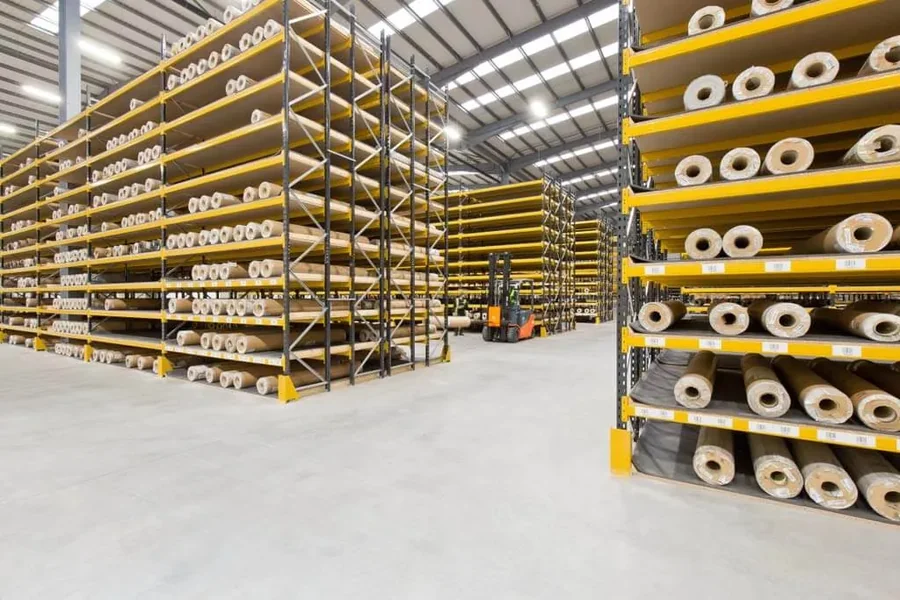
In the flooring industry, proper storage plays a key role in maintaining product quality and improving operational efficiency. Rolls of carpet, vinyl, turf, or fabric can be difficult to store and handle due to their size, weight, and tendency to lose shape if not supported correctly. That’s where carpet roll racking systems come in — a specialized storage solution designed to keep bulky rolls safe, organized, and easy to access.
For distributors, warehouses, and retailers dealing with rolled materials, these heavy-duty racking systems provide a simple yet powerful way to optimize space while protecting valuable inventory.
The Challenge of Storing Carpet Rolls
Carpet rolls present unique storage challenges. They’re long, heavy, and prone to damage when stacked improperly. Traditional shelving or pallet racks are not built to support cylindrical materials safely. Without proper racking, rolls can sag, lose shape, or even tear — leading to product loss and safety hazards.
Warehouses that store carpet, turf, or vinyl rolls need a system that can handle:
- High weight capacities for large rolls.
- Easy loading and unloading with forklifts or roll-handling equipment.
- Protection from pressure points that can distort the material.
- Efficient use of vertical space to maximize storage capacity.
Carpet roll racks solve all these issues with a structure that’s engineered specifically for rolled goods.
What Are Carpet Roll Racking Systems?
Carpet roll racking systems are industrial-grade racks designed to hold long, cylindrical items securely on steel beams or saddles. Each rack is built with heavy-duty uprights and horizontal supports that can bear significant loads without bending or flexing.
Depending on your storage environment, racks can be configured in single-depth or double-depth layouts — allowing access from one or both sides. They’re available in custom sizes to accommodate different roll diameters and lengths, ensuring a perfect fit for your inventory.
These systems are ideal for flooring distributors, construction supply centers, and textile manufacturers who require safe, organized, and accessible roll storage.
Key Features and Benefits
1. Heavy-Duty Construction
Each rack is built from structural steel to handle the weight of large carpet rolls. Beams and frames are reinforced for stability, ensuring long-term durability even in high-traffic warehouse environments.
2. Space Optimization
By utilizing vertical space, carpet roll racks significantly increase storage capacity. Rolls that once cluttered the floor can now be stacked safely and efficiently.
3. Easy Accessibility
Designed for use with forklifts, carpet poles, or specialized handling equipment, these racks make it easy to load and retrieve rolls without manual lifting or damage.
4. Product Protection
Racks prevent flat spots, creases, and deformation that often occur when rolls are stored improperly. This ensures your materials remain in saleable condition until they reach the customer.
5. Custom Configurations
Every warehouse has unique space and handling requirements. Carpet roll racking can be tailored to specific roll sizes, storage heights, and access points. Adjustable beam spacing allows flexibility as your inventory changes.
6. Improved Safety
Proper racking eliminates floor clutter and reduces the risk of accidents caused by unstable stacks or misplaced rolls. With clearly defined storage zones, the warehouse becomes safer and more efficient.
Applications Across Industries
While most commonly used for carpet storage, these racking systems serve multiple industries that rely on rolled materials:
- Flooring suppliers and distributors: For storing carpet, vinyl, laminate, and turf rolls.
- Textile manufacturers: For fabric rolls, upholstery materials, and woven goods.
- Artificial turf companies: For large, heavy turf rolls used in athletic fields and landscaping.
- Construction and industrial supply warehouses: For insulation, plastic sheeting, and other rolled goods.
Whether you’re handling commercial-grade carpet or lightweight textiles, this racking solution provides a safe and efficient storage method tailored to your materials.
How Carpet Roll Racks Improve Workflow
Beyond storage capacity, these systems streamline daily operations:
- Faster order fulfillment: Clearly labeled racks make locating and retrieving specific rolls quicker.
- Reduced handling damage: Equipment access minimizes the need for manual lifting, protecting product integrity.
- Simplified inventory management: Organized rack rows allow for accurate stock counts and better visibility.
- Optimized material flow: With designated storage zones, the entire warehouse layout becomes more efficient.
By improving accessibility and organization, carpet roll racking systems help businesses increase productivity while maintaining safety and product quality.
Customization and Design Options
Modern carpet roll racking systems are highly customizable. Depending on your needs, you can choose:
- Single- or double-sided racks for flexible access.
- Different beam spacing to accommodate varying roll diameters.
- Adjustable heights for optimal space utilization.
- Powder-coated finishes for durability and corrosion resistance.
- Integrated guides or cradles for smoother roll placement.
Many suppliers also provide on-site assessments to measure your space, recommend configurations, and design layouts that maximize both safety and capacity.
Maintenance and Safety Best Practices
Like any warehouse equipment, regular inspection and upkeep extend the lifespan and reliability of your racking system.
- Inspect regularly for bent beams, damaged uprights, or loose anchors.
- Train staff on safe loading and unloading procedures.
- Avoid overloading: Always adhere to the manufacturer’s rated weight limits.
- Clean regularly: Keep aisles clear of debris to prevent accidents.
- Label properly: Use signage to indicate rack sections and load capacities.
Following these best practices ensures your carpet roll racks remain safe, stable, and compliant with warehouse safety standards.
The ROI of Carpet Roll Racking Systems
Investing in a well-designed storage system yields measurable long-term returns. Carpet roll racks reduce product damage, optimize warehouse space, and improve workflow — all contributing to lower operating costs and higher productivity.
Moreover, by improving safety and organization, they help businesses meet OSHA compliance and enhance overall workplace efficiency. The initial investment quickly pays off through better space utilization and reduced material waste.
Final Thoughts
In today’s competitive flooring and manufacturing industries, effective storage is a key driver of success. Carpet roll racking systems offer a durable, space-saving, and practical way to organize bulky rolled materials while maintaining product quality and safety.
Whether you’re outfitting a new facility or upgrading your existing warehouse, these systems provide a long-lasting solution that enhances both productivity and protection.
By partnering with a trusted racking supplier, you can design a storage system that fits your exact needs — maximizing efficiency, minimizing waste, and keeping your operation running smoothly from roll to delivery.