
The Business Case for Investing in a Custom-Built Exhibit vs. Rental Booths
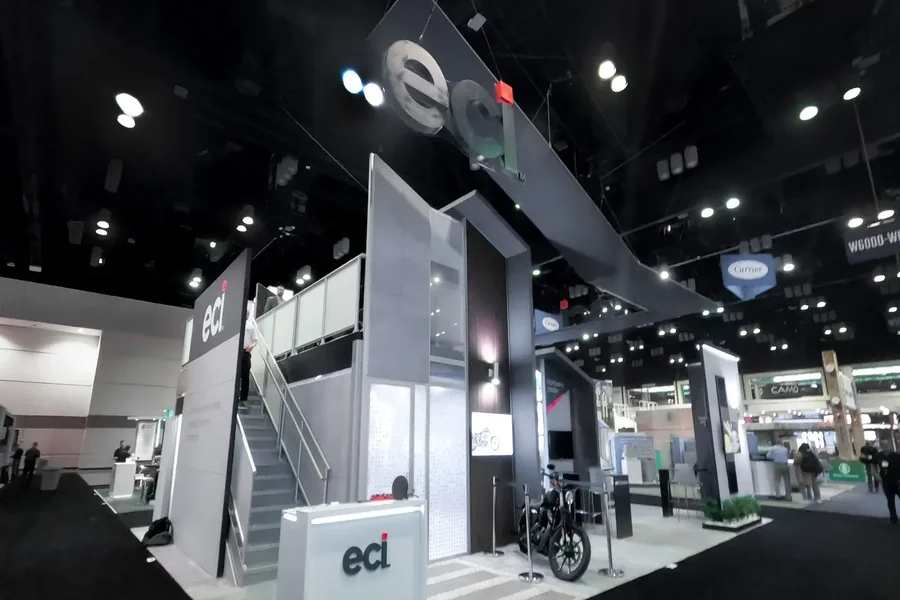
Trade shows often involve tight budgets, high expectations, and limited time with potential buyers. Choosing between a rental booth and a custom-built exhibit is not only a design decision. It is a business decision tied to brand presence, long-term cost, operational efficiency, and event performance.
Rental booths can be useful for first-time exhibitors, short-term campaigns, or uncertain event schedules. A custom-built exhibit can provide stronger value when a company attends multiple shows, needs consistent branding, or wants a booth experience designed around specific sales goals.
Understanding the Real Cost Difference
A rental booth usually has a lower upfront cost. This can make it attractive when budgets are limited or when a business is still testing trade show marketing. However, repeated rental fees can add up quickly across several events.
A custom exhibit often requires a larger initial investment, but the cost can be spread across multiple shows. When storage, repairs, updates, shipping, and installation are planned carefully, the long-term value may be stronger than renting repeatedly.
- Rental booths can reduce initial spending.
- Custom exhibits can lower cost per event over time.
- Ownership gives more control over future updates.
- Reusable components can support different booth sizes and layouts.
Brand Consistency and Visitor Experience
A rented booth may look professional, but it is often limited by available structures, finishes, and layouts. This can make it harder to create a distinct environment that reflects a company’s positioning and message.
A custom trade show exhibit can be designed around brand colors, product displays, meeting spaces, lighting, storage, and visitor flow. These details help create a more intentional experience for attendees and a clearer path for sales conversations.
Working with an Exhibit Company can help businesses evaluate how structure, graphics, materials, and functionality affect the way visitors engage with a booth.
When Custom-Built Exhibits Make Business Sense
A custom-built exhibit is often the stronger choice when trade shows are part of an ongoing marketing plan. If a company attends several events each year, the exhibit becomes a reusable business asset rather than a one-time expense.
Custom structures are also useful when products require special display methods, demonstrations, private conversations, or clear traffic patterns. The booth can be planned to support staff efficiency, lead capture, and meaningful attendee interactions.
Key Indicators That Custom May Be the Better Option
- The company exhibits at multiple events each year.
- The brand needs a consistent and recognizable presence.
- Products or services require demonstration areas.
- Sales teams need private or semi-private meeting space.
- The booth must support specific visitor movement and engagement goals.
Where Rental Booths Still Fit
Rental booths are not a poor choice. They can be practical for companies entering a new market, testing a new event, or managing temporary budget limits. They also reduce ownership responsibilities, including storage and long-term maintenance.
For businesses with unpredictable event schedules, rental options can provide flexibility. The tradeoff is usually less control over design, materials, and exact layout. The best option depends on how often the exhibit will be used and what role events play in the sales strategy.
Operational Value Beyond Appearance
The value of a custom exhibit is not limited to how it looks. A well-planned structure can improve setup efficiency, reduce confusion for staff, and create better organization behind the scenes.
Features such as hidden storage, integrated counters, modular walls, clear signage, and durable materials can support smoother event operations. These practical details can reduce stress at the venue and help staff focus on conversations rather than logistics.
A custom trade show exhibit can also be updated over time with new graphics, refreshed messaging, or adjusted layouts, which helps extend the life of the investment.
Measuring Return on the Investment
Return should be measured beyond booth cost alone. Businesses should consider lead quality, sales opportunities, brand recall, staff productivity, and the number of events where the exhibit will be used.
Useful evaluation metrics include cost per show, cost per qualified lead, meeting volume, post-event pipeline value, and staff feedback. These measures help clarify whether ownership is supporting broader marketing and sales goals.
Planning for Long-Term Exhibit Performance
The strongest business case comes from planning. A custom exhibit should be designed with future use in mind, including multiple floor plans, easy graphic updates, durable packing methods, and manageable shipping requirements.
When businesses compare rental booths with custom-built exhibits, the right answer depends on frequency, goals, budget, and brand strategy. For companies committed to trade shows as a recurring channel, custom ownership can provide control, consistency, and long-term value.